In brief
In the wake of a catastrophic flash flood that swept across the Nuwakot district, Nepal observed a national day of mourning on 7 September, lighting candles and lowering flags as grieving communities prepared for a 13‑day Hindu mourning period. The disaster, triggered by a glacial collapse, has killed over 1,200 people and left more than 5,000 missing, while rescue teams are still searching for survivors in villages and hydropower tunnels. Government officials, including President Ram Chandra Paudel, toured the damaged areas and urged continued support for search operations. Local and international rescue experts, such as Australian tunnel specialist Arnold Dix and army spokesperson Raja Ram Basnet, emphasized the challenges and the need to act swiftly in rugged terrain. Despite the tragedy, hope remains as recent rescues have brought survivors to hospitals and ongoing efforts target tunnels and destroyed homes.
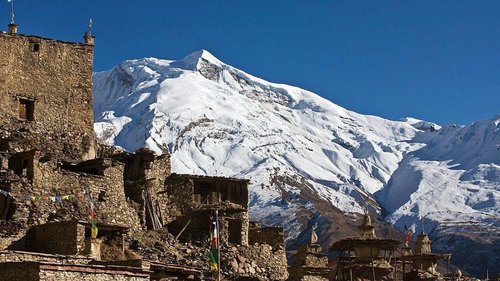
On 7 September, Nepal observed a national day of mourning to honor victims of a devastating flash flood that swept through the Nuwakot district and its border with Tibet.
During the ceremony, oil lamps were lit and flags were lowered to half‑mast, marking the final day of a traditional 13‑day Hindu mourning period. The flood, believed to have been triggered by a sudden glacial collapse, has already claimed the lives of more than 1,200 people.
In addition to the death toll, over 5,000 individuals remain missing. Rescue teams continue to work on the ground, by air and in tunnel networks that are part of the region’s hydropower stations. The National Emergency Operation Centre stated that no large government programmes would be conducted during this period due to ongoing search operations.
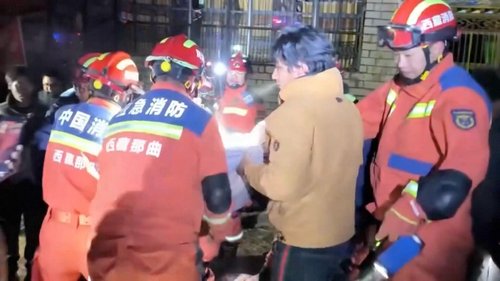
President Ram Chandra Paudel toured the villages that were devastated and spoke with local officials, while a spokesperson for the Nepali army reported that efforts were proceeding at the same tempo as the first day of the crisis. The focus was on locating survivors in tunnels, where a significant number of missing workers are believed to be trapped.
Australian tunnel rescue specialist Arnold Dix has advised Nepali teams of the complex risks involved, stressing that multiple potential rescues could occur simultaneously across different locations. A few persons have been rescued in recent days, including a 64‑year‑old woman pulled from a sunken home more than ten days after the flood.
Meanwhile, Chinese responders recovered twelve bodies in the border area, and the Tibetan side reported 31 deaths and 531 unaccounted for. The situation remains dire as search and rescue continue under challenging terrain and flood‑filled tunnels.
Candlelight vigils are scheduled for the evening of 7 September, and the government has pledged to keep national flags at half‑mast in offices and missions abroad to show solidarity with the grieving nation.