A small plane slammed into Beijing’s tallest tower, but China has avoided discussing the incident.
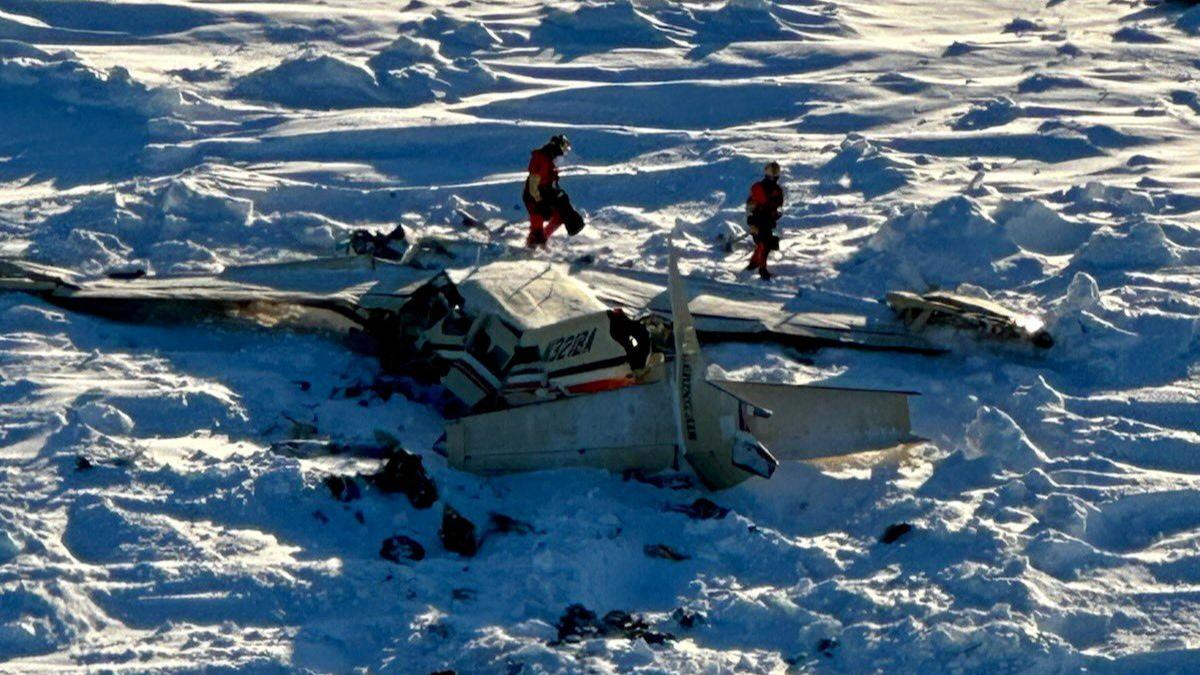
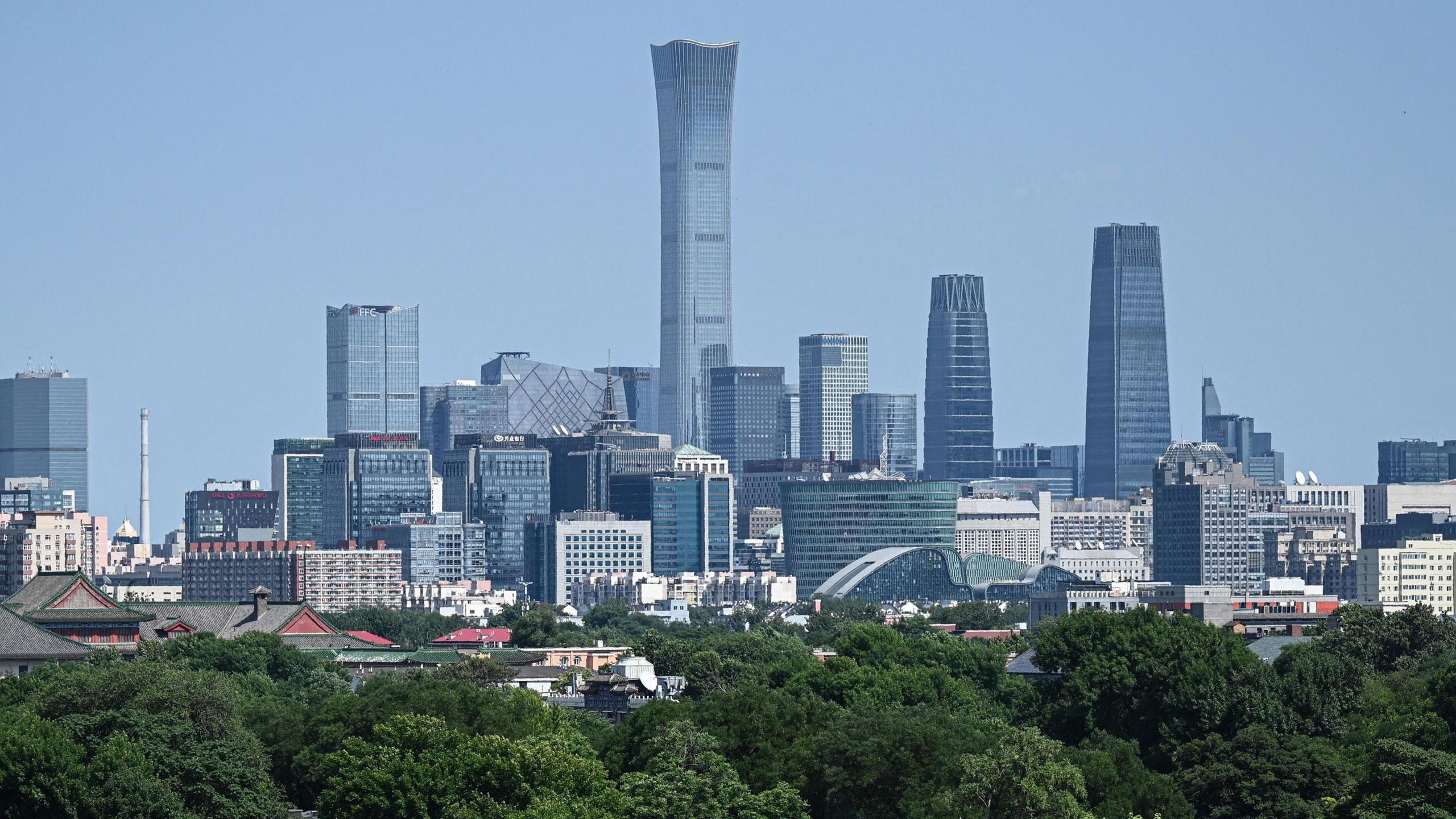
Four days before this article was published, a single‑engine Aurora SA60L collided with the side of the CITIC Tower, killing the pilot and wounding 13 people. The aircraft struck a wall that was later boarded up, and the damage was visible on the 109‑storey structure.
The only official statement released by Beijing was a terse 60‑word report, issued by state‑owned Beijing Daily, which simply listed the facts without any explanation. The crash occurred a few kilometres from Zhongnanhai, the guarded compound where China’s top leaders live and work, raising serious concerns over the integrity of the capital’s airspace.
In the days that followed, the Chinese government swiftly removed photographs, videos and memes of the tower—and everything unrelated to the incident—from social media platforms. At least three aviation firms confirmed to the BBC that they had been instructed to suspend operations of light aircraft, but declined to clarify who gave the order. The Beijing authorities face an unprecedented censorship backlash as they grapple with an incident that reveals vulnerabilities in their security system.
Experts note that the plane’s size and flight path indicate it could have flown largely unimpeded across the city, penetrating a 100‑square‑kilometre no‑fly zone that covers Tiananmen Square and Zhongnanhai."
"Not many more seconds of flying and the crash could have been at Zhongnanhai… an earthquake in Beijing’s security system," wrote analyst Bill Bishop on X. The incident also echoes past air‑space breaches, such as the 1987 flight of German pilot Mathias Rust into Moscow, which prompted high‑level security shake‑ups in the Soviet Union.
The Aurora SA60L, manufactured by China’s Sunward Aircraft, is a 6.9‑metre long, 8.6‑metre‑wide, two‑seat plane. In the absence of an official explanation, investigators and the public are left wondering whether a pilot error, mechanical failure, or intentional act caused the crash.
Overall, the incident has exposed loopholes in Beijing’s air defence, prompted stricter drone regulations, and placed the city under scrutiny as a potential security risk. The Chinese government’s silence and stringent censorship reflect both a desire to maintain control over public perception and uncertainty about the root cause of the unprecedented incident.