In brief
Opponents of the new congressional map in Missouri submitted over 300,000 signatures to trigger a referendum. This comes amid concerns of partisan gerrymandering intended to bolster Republican representation. The state law mandates the referendum be held in November unless the legislature intervenes. Legal battles surrounding the map's validity are intensifying, demonstrating deep partisan divides as the election nears.
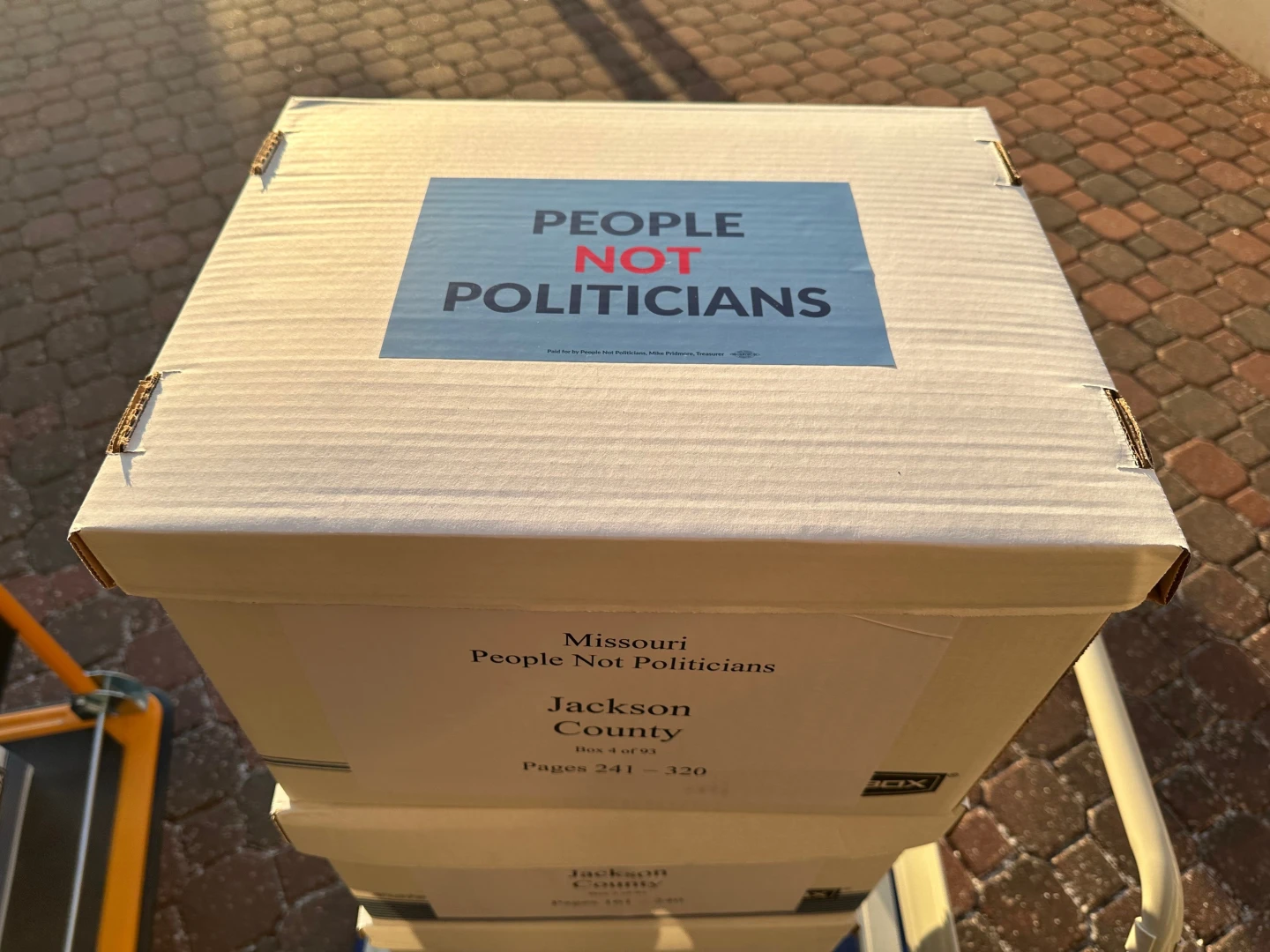
JEFFERSON CITY, Mo. (AP) — In a bold move against the newly proposed congressional map in Missouri, opponents have submitted a staggering 300,000 signatures to push for a statewide referendum. The redistricting plan, supported by former President Trump, is aimed at helping the Republican Party retain a slim majority in the upcoming elections.
Organizers for the petition campaign highlighted that their submission significantly exceeded the necessary 110,000 signatures required to halt the implementation of the new U.S. House districts until a public vote occurs next year. This effort has drawn considerable attention, with significant funding and resources from national organizations opposing the redistricting plan.
The next steps involve a formal verification of the submitted signatures by local election authorities, as well as Republican Secretary of State Denny Hoskins, who has previously argued against the constitutional validity of the referendum. Should the signatures prove valid, a referendum would introduce substantial uncertainty for Republicans looking to secure a Democratic-leaning seat in Kansas City during the elections in November.
Missouri law indicates that referendum votes are typically scheduled for the November elections, unless the legislature opts to set an earlier date. This law adds an additional layer of pressure as both sides prepare for potential legal challenges over the new congressional map.
The referendum initiatives reflect a broader trend across the country, as various states engage in intricate redistricting battles amidst changing political landscapes. Missouri's situation is emblematic of a nationwide struggle against perceived partisan gerrymandering, underscoring the pivotal role that congressional representation will play in the imminent elections.
As the debate intensifies, the group behind the referendum, People Not Politicians, has reportedly raised over $5 million to support their cause, largely funded by out-of-state contributions. Conversely, Republican-aligned organizations are mounting their own campaign with upwards of $2 million to defend the new map.
With legal and political ramifications at stake, Missouri continues to be a focal point in the ongoing discussion around election integrity and equitable representation. The last instance of a congressional redistricting referendum in Missouri dates back more than a century, reflecting the historical significance of this electoral battle.