Miracle Survival of Everest Guide Sparks Scrutiny of High‑Altitude Tourism
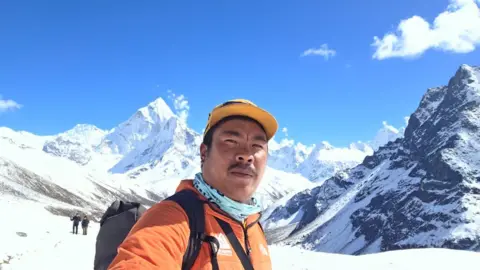
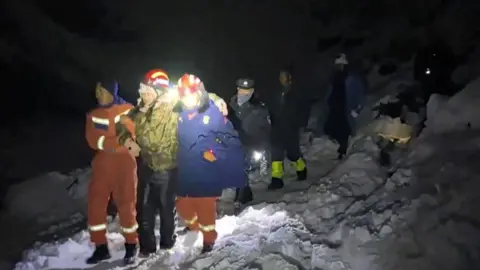
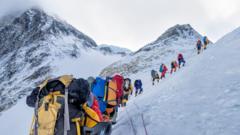
A six‑day ordeal on Mount Everest turned into a rescue miracle after Sherpa Hillary Dawa was discovered crawling at the foot of the Khumbu Icefall by a cleanup crew on Thursday, June 6, 2026.
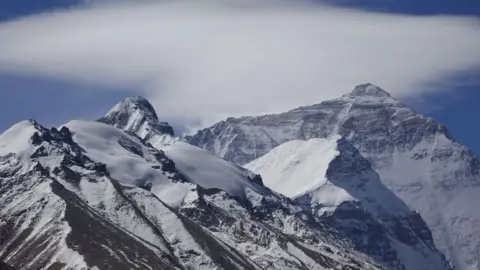
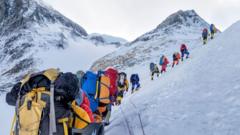
At 8,849 meters (29,032 ft), the world's highest peak, Dawa had been separated from two climbers, British Chris Thrall and Polish Mariusz Chmielewski, during their descent from Camp 4 on May 29. The 57‑year‑old guide, hired by Himalayan Traverse Adventure (HTA) as a camp cook, had been reassigned to accompany the teams to earn extra money. By May 30 he had exhausted his oxygen skin and was forced to rest at Camp 3. When he stopped moving, the crew assumed he had perished, and funeral rites began before he was rediscovered.
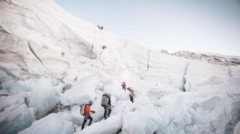
Dawa’s survival was a stark reminder that Sherpas often face extreme risks. He strove to stay upright, chewing ice to keep his teeth from freezing, and found melted chocolate to sustain him. An avalanche near a crevasse finally pushed him to the slope where he was seen by the cleaning crew. He was then air‑lifted to Kathmandu for hospital treatment.
HTA claims all protocols were followed and attributes the delayed rescue to “adverse weather” that made helicopter access impossible. However, two of the climbers—Thrall and Chmielewski—filed accusations of negligence, arguing a search should have begun immediately after Dawa was reported missing. The complainants allege that the company allowed “unqualified” crew members to lead the climb and neglected to communicate proper safety measures.
Officials in Nepal have opened a formal inquiry into the incident. HD
a‐Dawa’s family has filed a police report alleging that HTA left their relative stranded and that the company failed to maintain a reliable line of communication. The Nepal Tourism Department said it would “coordinate with Mount Everest's Ministry of Tourism and the law‑enforcement agencies” to review the incident.
Experts point out that most Everest guides receive specialized training for high‐altitude climbs. A camp cook like Dawa was “rarely equipped” for the 8‑kilometer journey, according to Ben Ayers, a long‑time Everest reporter for Outside Magazine.
HTA’s founder, Dawa Sherpa, dismissed the accusations as a “true self‑rescue” and insisted it was “nothing short of a miracle.” He added that the partner company, 8K Expeditions, should have overseen the search because they issued the climbing permits. Meanwhile, the 8K team called Dawa’s ordeal “a true self‑rescue” and highlighted the challenge of locating a skier on deep whiteout snow.
As Dawa recovers in Kathmandu, the climbing community watches closely: Are crampons and oxygen kits adequate? Will safer regulations force tours to pay for better trained guides? The answer may shape policy across the world’s most dangerous trekking region.

Source: BBC News