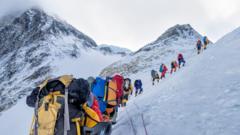
Miracle Survival of Everest Guide Sparks Debate Over High‑Altitude Tourism
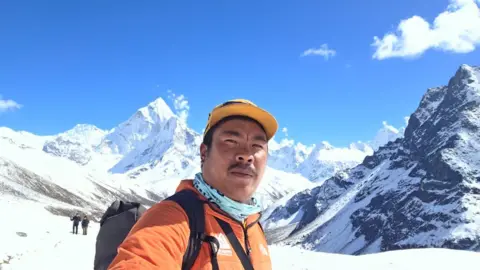
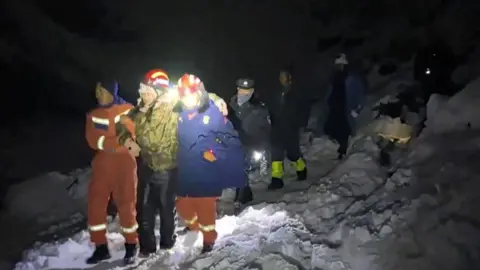
The world’s highest peak turned into a stage for a harrowing rescue when 57‑year‑old Sherpa Hillary Dawa was found crawling in a bright blue summit suit at the foot of the Khumbu Icefall on 9 June. He had been separated from a client group six days earlier and was presumed dead, but the cleaning crew that was sweeping the slopes for litter discovered him still alive, stunned by the sight.
Dawa’s ordeal – last‑known‑position at Camp 3, a precarious 7,200‑metre plateau – saw him glide down a crevasse on a rope and stumble into the path of a rescue team. He endured two days of starvation, chewed ice for warmth and drank melted chocolate, turning physics on its head as he managed to move in a world where a trained climber normally survives no more than three days without supplemental oxygen.
"I couldn’t walk… I didn’t eat anything for the first two days. Then I began chewing ice, but it pained my teeth," Dawa told BBC Nepali from a hospital in Kathmandu.
Once he made it to the Icefall, Dawa was airlifted to a Kathmandu hospital. He is now recovering after being transferred from intensive care to a general ward, thanks to vitals that stabilized as rescuers pieced his journey together.
Questions About Himalayan Traverse Adventure
The company that employed Dawa, Himalayan Traverse Adventure (HTA), insists the rescue was performed “above board” and that weather delays justified the late search. Donald Dawa Sherpa, the founder, claimed first contact was reached on 30 May but that an aerial search was postponed until 2 June because the storm prevented helicopter use.
Critics argue that the search should have begun sooner. Comments from nearby climbers like Chris Thrall and Mariusz Chmielewski underline that the company’s decision to re‑assign Dawa from cook to guide – a “lack of personnel” excuse – exposed him to death‑by-altitude risk without proper backup.
"I believe this problem occurred because they took him as a cook but used him as a guide," Pasang Dawa Sherpa, a longtime friend of the guide, said.
The Sherpa's family has filed a police report alleging negligence, and Nepal’s tourism department is currently investigating HTA’s operations. Calls for a licence revocation echo across mountaineering circles, as many demand accountability for what they see as a “cooking‑in‑action” approach to guiding.
Industry‑Wide Implications
Experts point out that camp cooks are rarely equipped to summit 8,000‑metre peaks, and that the commercialisation of Everest has shifted pressure onto Sherpas, who often work under precarious conditions for rising tourist numbers. Chef‑turned‑guide experiences like Dawa’s raise a broader conversation about licensing, training, and safety standards on the slopes.
With Dawa recovering, his story is a beacon and a warning: mountaineering’s beautiful allure hides deadly terrain, and the companies that push the limits must ensure that safety and experience go hand in hand. The debate continues as Nepal eyes stricter oversight and the industry reevaluates its human‑resource practices.