In brief
In a dramatic raid, Nigerian authorities seized the largest methamphetamine bust ever, uncovering a clandestine lab stocked with chemicals and equipment, involving three Mexicans and seven Nigerians. The operation exposed a pattern of Mexican cartels operating “cooks” in remote forests across Nigeria, Kenya, Mozambique, and South Africa. This shift turns the continent into a manufacturing base, easing supply routes to Europe and Asia. Growing drug use among Nigeria’s youth and weakened chemical controls lure cartels into the region, prompting intense surveillance and international cooperation to curb the menace.
How Mexican drug cartels have outsourced meth labs to Nigeria
The Nigerian judge was formally dressed, the lawyers maintained legal decorum and protocol was followed – but this hearing was not in the comfortable confines of a Lagos courtroom, it was inside an alleged illicit drug laboratory in the thick of a dense forest.
Three Mexicans and seven Nigerians were paraded in handcuffs, as Justice Musa Kakaki inspected the chemicals and equipment they were accused of using to produce methamphetamine.
A bitter, pungent smell filled the air of the makeshift laboratory, thanks to a large drum of the liquid form of the drug that was crystallising. Another potent odour came from open vats of a dark, viscous liquid described as “crude”, or unprocessed methamphetamine.
Other products were scattered around, including propane gas cylinders and bags of caustic soda, in the unfinished building.
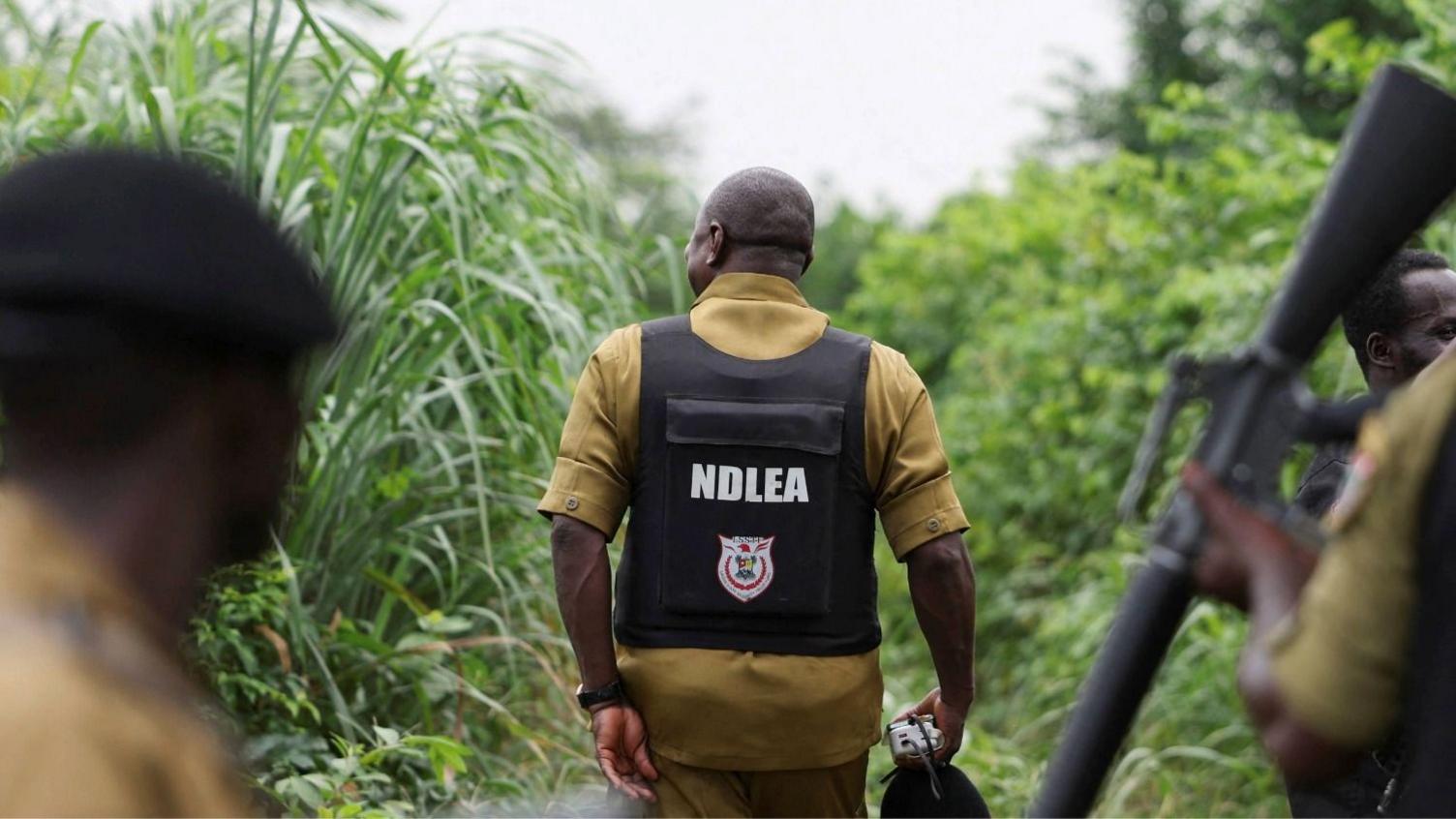
The forensic move of the federal high court to a location two hours from Lagos was an unusual step for Nigeria’s judicial system, but the National Drug Law Enforcement Agency said it was necessary to understand the scale of the operation.
When the suspects were arrested in May, the agency described it as the country’s largest‑ever meth bust, discovering more than two tonnes of the drug worth about $360m (£270m).
The agency said it had dismantled “a highly sophisticated, multi‑million‑dollar Nigerian‑Mexican methamphetamine production syndicate”.
In July the next month, agents found another meth laboratory hidden in a forest in neighbouring Oyo State, arresting five suspects, one being a Mexican “methamphetamine expert”.
Mexican specialists are increasingly working alongside locals in laboratories across Europe and Africa. Some investigators describe the meth production as “high‑purity, high‑potency” compared to earlier batches.
Western Africa’s dense forests, porous borders, weak chemical import controls and youthful population attract cartels looking for cheap labour and a local market.
The shift turns the continent from a transit corridor to an actual production hub, easing supply lines to Europe and Asia via Atlantic shipping routes and inland roads.
Authorities warn that rising meth use in Nigeria could grow, noting that a 2018 survey found 14.4% of adults used illicit drugs – more than twice the global average.
The report closes with a pledge that Nigeria will not be a safe haven for cartels, thanks to increased surveillance, intelligence cooperation and proactive policing.