In brief
Ismael “El Mayo” Zambada, a 76‑year‑old former co‑founder of the Sinaloa cartel, is now jailed for life following a plea agreement that spared him the death penalty. The U.S. judge ruled that his guilty plea carried a mandatory life sentence, and the court also ordered him to pay a staggering $15 billion in fines. The case culminated after U.S. authorities lured Zambada to the United States with a fabricated trip, leading to his arrest in Texas. In court, he apologized for his role in drug trafficking and urged a shift away from violence in Mexico. While he seeks placement in a prison hospital due to age and health concerns, prosecutors insist he remains a security threat capable of directing illegal operations from behind bars.
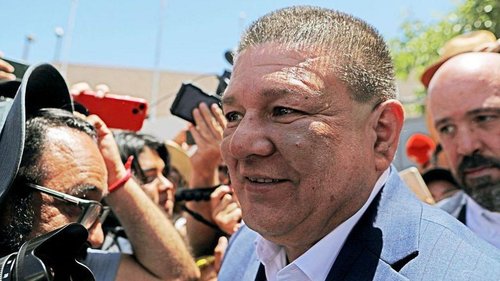
Mexican cartel legend Ismael “El Mayo” Zambada—the 76‑year‑old co‑founder of the Sinaloa cartel—has been sentenced to life in a U.S. federal prison after a dramatic two‑year sting and plea deal.
Zambada entered into a guilty plea that avoided the death penalty but activated a mandatory life sentence. In addition, the judge ordered him to pay $15 billion in fines, a figure the Department of Justice said represented profits from his leadership of the cartel’s drug trafficking network.
The arrest began when U.S. authorities lured Zambada with a fabricated trip to inspect supposed clandestine airstrips in northern Mexico. Instead, the private plane landed in Texas, where he was taken into custody and later extradited to New York for trial.
During the sentencing hearing in Brooklyn, Zambada apologized for the harm he caused, urged future generations to choose different paths, and called for an end to violence that has destroyed countless families across the region.
Prosecutors have highlighted his long‑standing influence, noting that he was perhaps the world’s most prolific narcotrafficker. Despite record‑length incarceration, he and his associates remain active in the drug trade, and his removal may not significantly change traffic patterns of cocaine and fentanyl into the U.S.
Zambada has petitioned to be sent to a prison hospital given his age and health issues. Whether he will be housed in a high‑security facility remains to be decided by the Bureau of Prisons, but he is likely to die in U.S. custody.