Meta Releases Camera‑Free Ray‑Ban Glasses Amid Privacy Furore
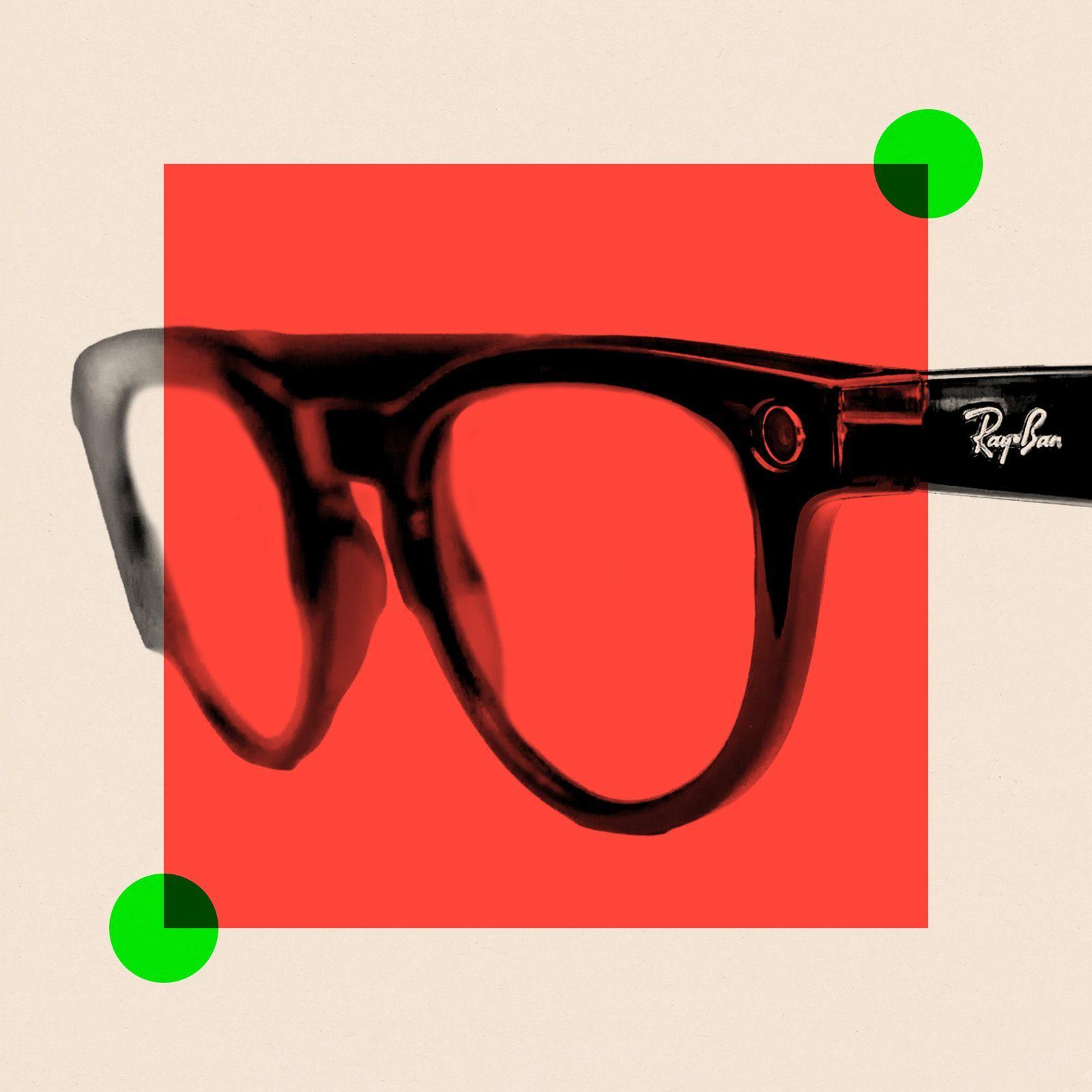
Meta last week announced an audio‑only variant of its Ray‑Ban smart glasses, ditching the controversial camera that had sparked wild accusations of harassment.
The original 2023‑launched model featured a discreet camera whose LED light turned on when recording, leading to bans in venues ranging from pubs to nuclear bases.
The new version keeps the wireless speaker system, Bluetooth integration, phone‑call and music‑playing functions but removes the camera entirely. The company says it’s a step forward after two years of development and new private‑phone hardware.
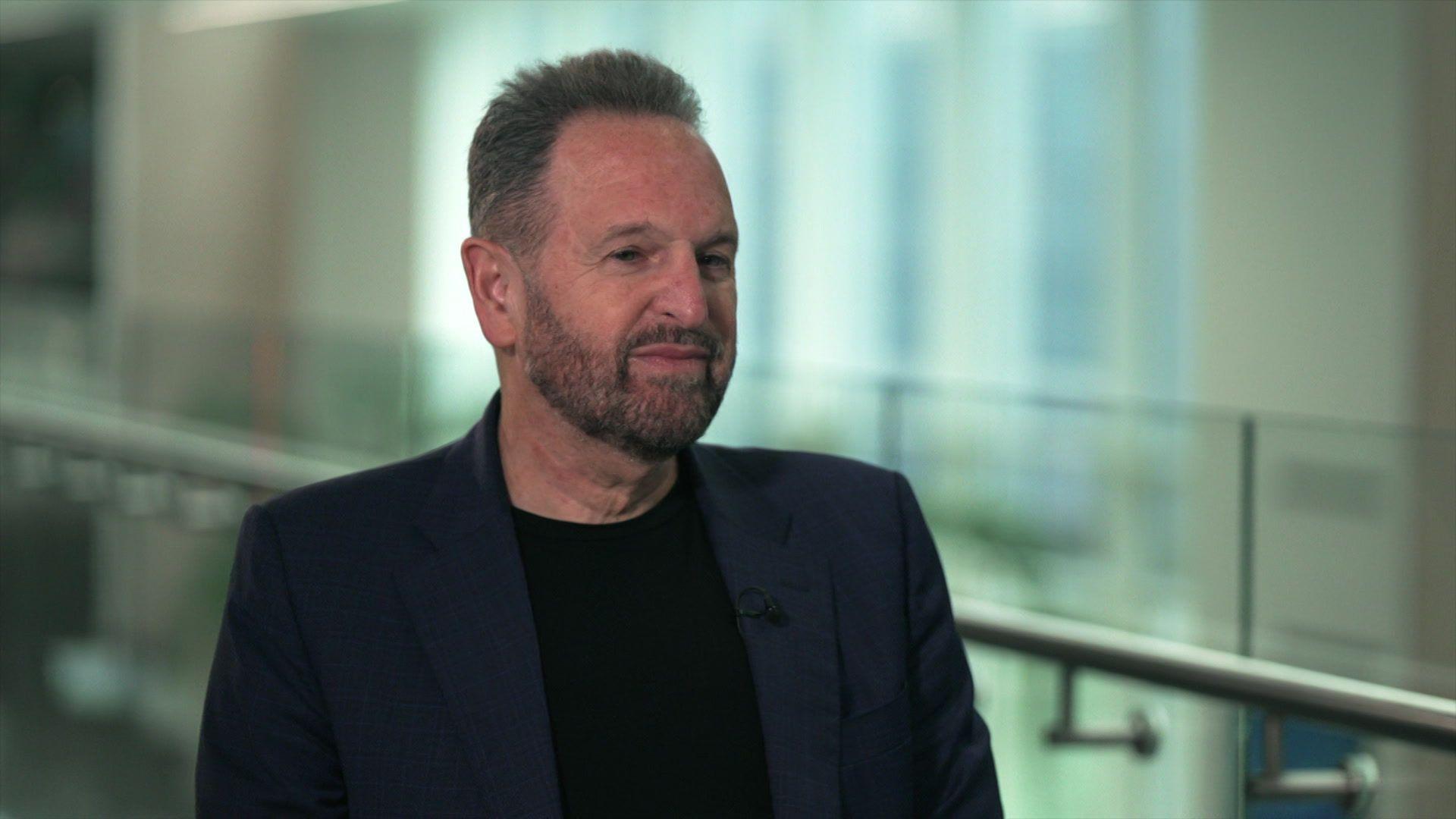
Product‑owner Ankit Brahmbhatt said Meta “has something for everyone,” hinting at a broader portfolio. Critics, however, remain unconvinced that the camera‑free product will curb abuse, noting that camera‑enabled glasses still hit the market.
Users who saw the glasses in public reported mixed feelings. Some felt uneasy about potential recordings, while others found the hands‑free communication useful, especially for commuters and tourists.
While the audio‑only kit is cheaper and lighter, Meta’s announcement follows the same launch pattern as other smart‑glasses makers—Samsung, Google and Snap—that are also exploring privacy‑enhanced devices.
A growing call for regulation is highlighted by voices such as Liz Hunter, who argues smart glasses should be available only for those who truly need them—such as people with visual impairments. Others, like researcher Janusz Swierczynski, see the camera‑free option as a “positive sign” of responsive design.
Ultimately the debate centers on whether privacy and safety will outweigh the promise of augmented‑reality convenience. As technology evolves, society may have to establish new norms and legal frameworks for wearable cameras.