In brief
Yann Vezilier, sentenced for involvement in a plotted coup in Mali, has been pardoned by President Assimi Goïta. The decision follows a 20‑year prison sentence that linked Vezilier to French intelligence and an alleged conspiracy with army officers. Mali’s pardon comes as the country battles ongoing jihadist insurgencies and a fragile political order after the 2021 coup that installed Goïta in power. While France has disputed Vezilier’s alleged spy role, the Malian government says the clemency does not alter the judicial outcome. The move presents a diplomatic riddle as Mali seeks stability amid regional security tensions.
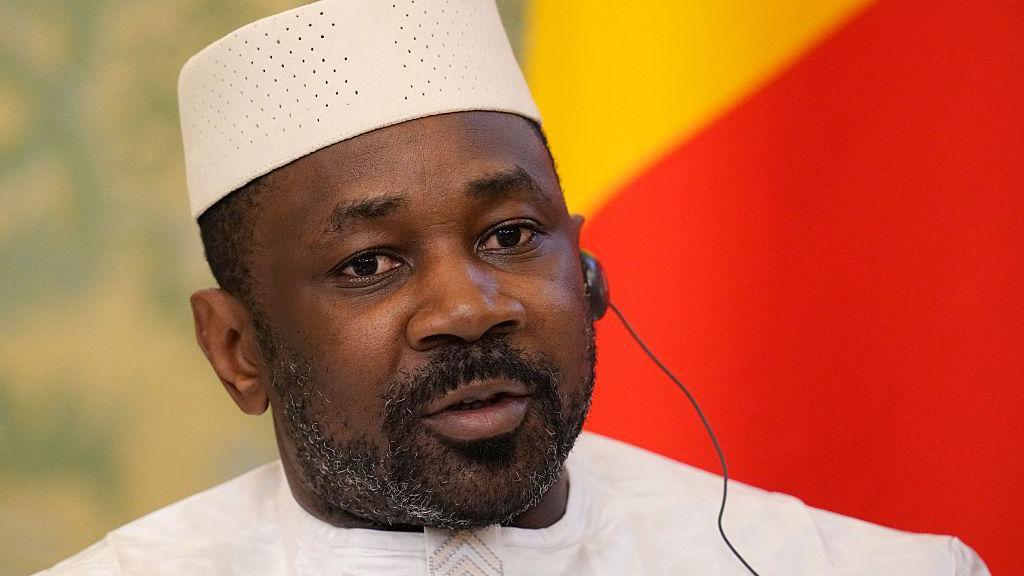
Yann Vezilier, a French national, was sentenced to 20 years in prison in Mali for allegedly helping to plot a coup against the government of President Assimi Goïta. In a surprising turn, Goïta has announced that Vezilier has been granted a presidential pardon.
Vezilier was accused last year of attempting to destabilise the Malian government on behalf of French intelligence, collaborating with army generals and dozens of soldiers. While France’s foreign ministry has maintained that the accusations of Vezilier’s espionage were unfounded, the pardon has raised questions about Mali’s motives and its broader strategy for dealing with foreign intelligence influence.
The decision follows a judicial ruling that found Vezilier guilty, yet the Malian government emphasised that the clemency does not alter the facts established by the adversarial trial. In a Facebook post, the government declared that the pardon is accompanied by Vezilier’s immediate expulsion from national territory.
Mali remains embroiled in a security crisis fueled by Islamist insurgents, a problem that partly underpinned the 2021 coup that brought Goïta to power. Since then, the country has experienced continued attacks, a failed defense minister’s suicide bombing, and a blockade of the capital by insurgents. These events have strained Mali’s political situation, leading to the dissolution of all political parties and an extended transition period that could keep Goïta in office until 2030.
Despite forging ties with Russia to counter jihadist threats, Mali has yet to make significant progress in improving security. The pardon of a French national suspected of colluding with foreign intelligence adds a new layer to the complex relationship between Mali and France, especially as Mali has officially stated their political script now includes France less prominently.