In brief
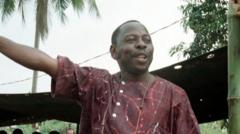
In a significant move marking the 30th anniversary of his execution, Nigeria's President Bola Tinubu has granted a posthumous pardon to activist Ken Saro-Wiwa, alongside eight others known as the Ogoni Nine. This decision, celebrated by some but criticized by others, follows the military tribunal that led to their executions in 1995 after protests against oil companies, particularly Shell. While the pardon acknowledges Saro-Wiwa’s contributions to democracy, activists argue it does not fully account for the injustices they faced.
The commemoration occurred as part of Nigeria's annual Democracy Day celebrations, recognizing the prominent dissidents who met a tragic fate for their activism. Saro-Wiwa, a notable author, led protests advocating for environmental justice amidst the exploitation of oil resources in Ogoniland. His execution raised international outcry, subsequently tarnishing Nigeria's reputation and leading to its suspension from the Commonwealth.Pardons have sparked debate among human rights groups and activists, with the Movement for the Survival of the Ogoni People (MOSOP) acknowledging the decision but asserting the need for an official declaration of innocence for the Ogoni Nine. Amnesty International echoed this sentiment, insisting that the government must also hold multinational oil corporations accountable for environmental degradation in Nigeria.Despite continued legal challenges between impacted communities and Shell in various courts, the oil giant maintains its denial of wrongdoing, blaming external factors for environmental harm. The ongoing struggle for justice continues as affected communities push for recognition and reparations in a country still grappling with the legacy of past injustices.The road ahead may involve further discussions and potential legal actions as Nigeria's journey toward healing and accountability unfolds.