In brief
Jared Kushner and Benjamin Netanyahu held a lengthy meeting in Jerusalem, staging an urgent push to restart the 15‑point Gaza peace plan previously rejected by Israel. The Israeli prime minister’s office confirmed the discussion was constructive, and both sides agreed to set up two working groups – one focused on disarmament and demilitarisation of Gaza, and another on sanitation and public health. Hamas officials have announced a willingness to give up weapons in exchange for a phased Israeli troop withdrawal, but Israel insists that full disarmament must precede any pull‑out. Meanwhile, US President Donald Trump, as leader of the Board of Peace, publicly claimed that Hamas “are giving up their guns,” while Israeli skepticism over Hamas’ commitment remains high. The talks come amid continued daily strikes within Gaza, yet the ceasefire negotiated in early October remains in place.
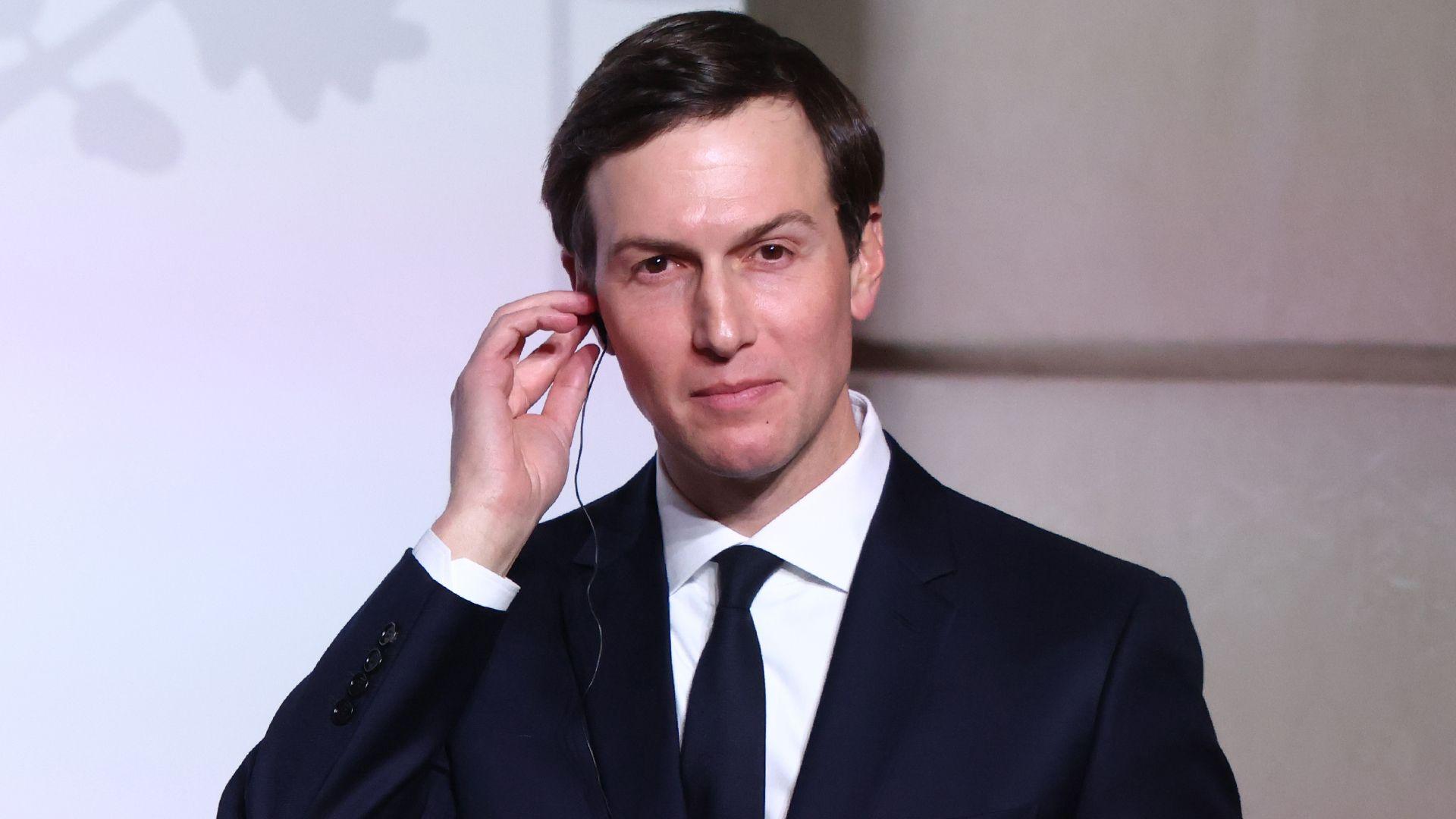
In a high‑stakes move to revive a stalled Gaza peace plan, Donald Trump’s middle‑east envoy Jared Kushner held a lengthy meeting with Israeli Prime Minister Benjamin Netanyahu in Jerusalem yesterday. The Israeli government confirmed the discussion was constructive, with both parties agreeing to establish two separate working groups: one to oversee disarmament and demilitarisation of Gaza, and another dedicated to sanitation, clean water, and wider public health concerns for the Palestinian population.
Israel’s prime minister’s office echoed reports that the truce brokered by the United States will not include a reconstruction phase until Hamas has fully disarmed. Supporters of the plan point to statements by Kushner, who claimed that Hamas “are giving up their guns,” and insists that this gesture should preempt any Israeli withdrawal from the enclave. Critics, however, argue that evidence of a comprehensive disarmament strategy is missing and caution the United States that such a stance might be merely rhetorical.
The Board of Peace, led by Trump and populated by former leaders Nickolay Mladenov and Tony Blair, pressed the Israeli leadership for rapid progress. In addition to the Israeli‑Trump envoy, the Board brought representatives from Egypt, Qatar, and Turkey to the table – nations that have historically mediated Middle East negotiations. These meetings aim to balance a phased Israeli troop exit against a safeguarding environment for military and civilian personnel.
Meanwhile, the 15‑point peace plan, introduced by Trump in March, had earlier been rejected by Israel’s camp, prompting officials to seek alternative approaches. The broader international community, including the United Nations, expressed reservations, noting that any ceasefire within Gaza already endured widespread daily strikes and heavy casualties, with more than 1,200 deaths reported by the Hamas‑run health ministry. Meanwhile, the United Nations also recorded that roughly 90% of Gaza’s population has been displaced since the outbreak of the conflict, underscoring the urgency for a sustainable resolution.
As the debate continues, the future of the Gaza agreement faces obstacles: Israel’s insistence that Hamas fully disarms, skepticism about the viability of an amateur stabilising force, and potential interference by regional powers. The political climate in Israel is likewise tense, with the upcoming October general election placing additional pressure on Netanyahu’s administration to adopt a tougher stance on the Palestinian territories.