In brief
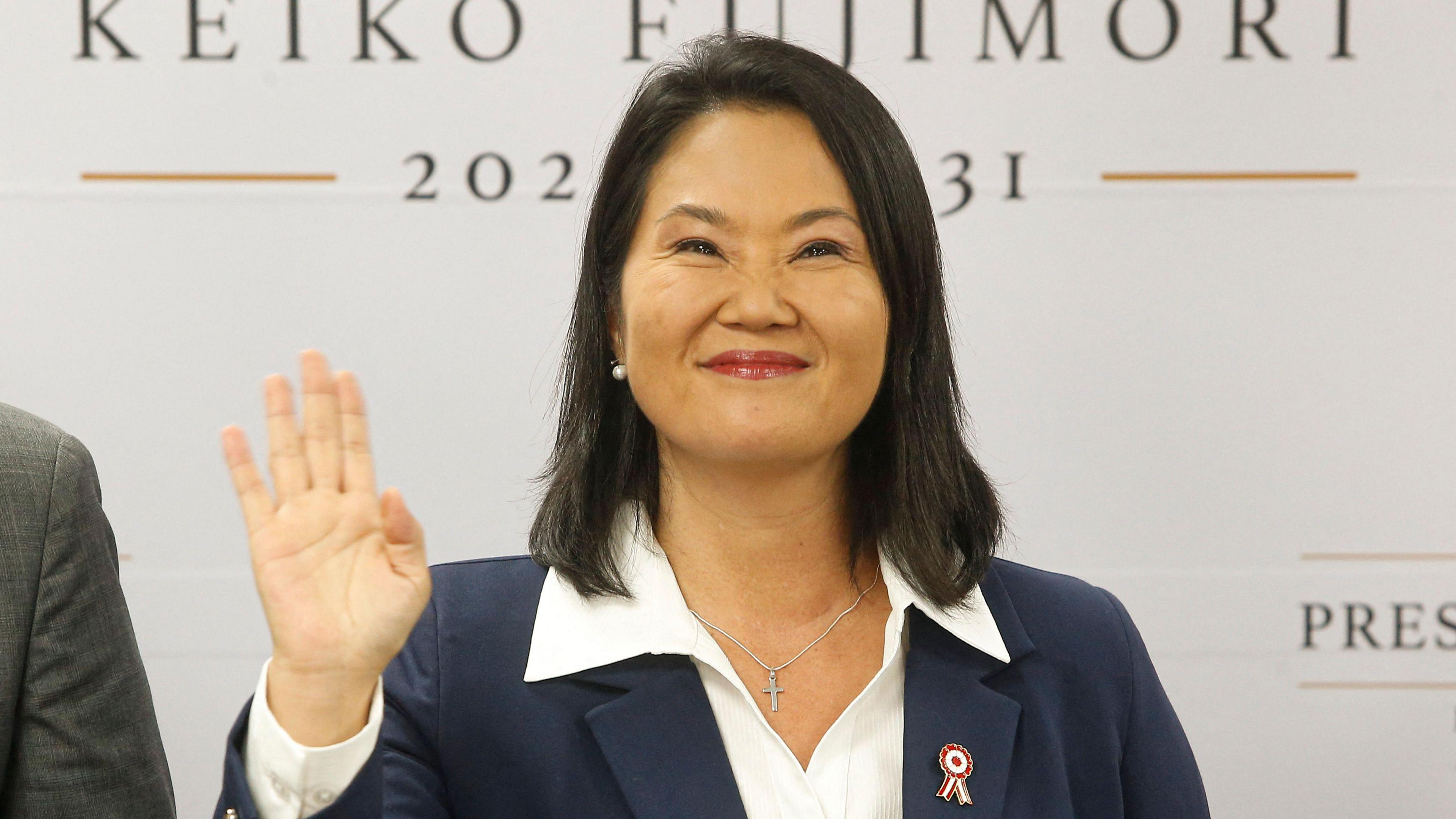
In a razor‑thin runoff held on 7 June, Peru’s right‑wing candidate Keiko Fujimori emerged victorious, securing 50.135% of the vote to Roberto Sánchez’s 49.865%. The margin was less than 50,000 votes and the result, certified by the electoral court, was announced almost a month after the final ballot count. Fujimori’s win marks the fourth time the former president’s daughter has pursued the office, promising a hard‑line crackdown on organized crime and a boost for private investment. The result occurs alongside similar elections in Colombia and elsewhere, highlighting a broader regional swing toward right‑wing leadership. Sánchez contested the outcome, citing alleged irregularities in overseas votes, and his party has called the result nullified.
Keiko Fujimori, a 51‑year‑old right‑wing politician, was declared the winner of Peru’s presidential election weeks after the runoff on 7 June. She received 50.135 % of the vote, just 50,000 votes ahead of left‑wing candidate Roberto Sánchez, whose share was 49.865 %. The electoral court certified the outcome, prompting Fujimori’s sudden formal victory announcement.
Fujimori’s campaign hinged heavily on a promise of a robust crackdown on organized crime, a stance that resonated in a country beleaguered by rising extortion incidents. She also pledged to draw private investment to spur economic growth and to expel undocumented immigrants found committing offenses. The former president’s legacy continues to shape her platform, as she references her father’s controversial tenure while pledging “responsibility, humility and a deep sense of duty.”
This victory underscores a noticeable right‑wing turn in Latin America, occurring alongside Colombia’s election of Abelardo de la Espriella and similar successes in neighboring countries. The election’s closeness—less than a 1 % margin—has spurred legal challenges from Sánchez, who claims that overseas votes were compromised and has called for the result to be annulled. Despite the contest, the electoral court’s affirmation prevailed.
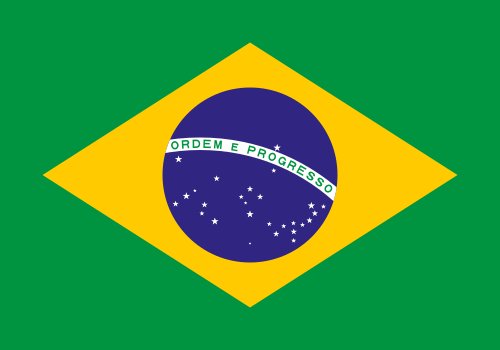
Fujimori’s inauguration is slated for 28 July, and she joins a growing roster of regionally influential right‑wing leaders who have unseated left‑leaning administrations. The broader regional trend has left Brazil’s left‑wing president Luiz Inácio Lula da Silva as the premier opponent, facing the son of former President Jair Bolsonaro later this year.
The election highlights the continued volatility in Peruvian politics, with security and economic concerns dominating the public discourse. The outcomes, both in Peru and Colombia, emphasize shifting alignments toward the United States’ preferred policy frameworks in the hemisphere.