
In brief
European countries express concern over new US tariffs and explore retaliatory strategies while seeking to avoid an all-out trade war.
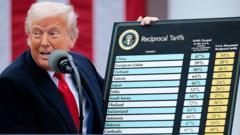
In a significant escalation of international trade tensions, European leaders have expressed strong criticism of the recently announced tariffs by former US President Donald Trump. Germany's Olaf Scholz called the tariffs "fundamentally wrong," while Spain's Prime Minister, Pedro Sánchez, characterized them as a unilateral attack. France’s Emmanuel Macron labeled the tariffs as brutal and unfounded, emphasizing their potential massive impact on the European economy. In response, he summoned an emergency meeting with affected French businesses to strategize against a 20% tariff levied on EU goods entering the US.Key sectors, such as France’s wine and aeronautics, Germany’s automotive industry, and Italy’s luxury goods market, stand to suffer significantly. Surprisingly, certain niche markets, like French cognac, which enjoys popularity among American celebrities, and Spain's gas turbine exports, are also at risk. The economic dependency on the US market varies across the EU, with Ireland particularly vulnerable, as exports tied to the pharmaceutical and tech industries account for a substantial portion of its GDP.As the European Commission assesses potential retaliation strategies, President Ursula von der Leyen ensures that the EU has leverage, including the possible targeting of significant US services like big tech companies, though such actions could provoke further backlash from the Trump administration. Furthermore, the EU's growing reliance on US liquefied natural gas adds complexity to the potential for retaliation, particularly with rising consumer concerns.The current EU strategy appears to be one of cautious diplomacy—issuing threats of retaliation while hoping for negotiations to resolve the situation before tariffs take full effect. Discussions are ongoing to determine what concessions might persuade Trump to reconsider; these could involve increased purchases of US LNG or military equipment, although such moves might contradict EU efforts to bolster its own industries.With uncertainty hanging over international trade relations, EU officials ponder the ramifications of a potential breakdown of the trading system, weighing the risk of leading to a retaliatory cycle with China. Amid these challenges, the European Commission emphasizes the need to focus on internal market reforms to enhance competitiveness and economic unity, hoping to present a united front against external pressures.


