
In brief
Ahead of the general election, voters in Ireland, such as mother Emma from County Donegal, report feeling disconnected from the benefits of the nation's healthy financial standing. Issues like healthcare access, housing shortages, and rising living costs dominate the concerns raised by citizens as they prepare to cast their votes.
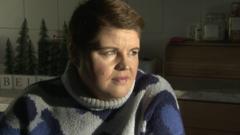
Amidst what is heralded as one of Europe’s strongest economies, many voters in the Republic of Ireland are gearing up for Friday's general election with a sense of frustration. Emma, a mother of four living in County Donegal, expresses her worries regarding the medical needs of her children. Despite Ireland's robust financial performance including a projected budget surplus of €25 billion this year, citizens do not perceive these benefits in their everyday lives.Emma's concerns echo sentiments shared by others around the country as they prepare to vote. Key issues dominating discussions include rising living costs, housing scarcity, and strained public services. Residents like Emma report long waiting times for medical care, worsening conditions due to immigration, and difficulty accessing essential services. Emma’s teenage daughter has spent years on waiting lists, highlighting the failings of the system.This discontent resonates across Donegal, where local journalist Áine Ní Bhreisleáin notes that the rising cost of living contrasts starkly with government promises of economic prosperity. She emphasizes that people feel ignored and underserved, with their needs overlooked despite financial claims about national wealth.Infrastructure issues, particularly related to housing built from defective concrete blocks, compound Donegal’s challenges. Thousands of homes face demolition, as the government attempts to address the fallout from defective building materials, implementing measures intended to assist affected homeowners.Housing dictates the landscape in the Republic, where soaring prices leave nearly 58,000 on waiting lists for social housing. The demand for new homes is exacerbated by a growing population fed by the highest level of immigration in 17 years, with concerns over the equity of social services provision becoming a focal point in community discussions.Local hosts and community members report a pervasive sense of frustration over governments' perceived inaction. Margarite, a shopper in Letterkenny, describes feeling misled by political rhetoric that positions Ireland as a wealthy nation while neglecting local concerns such as transportation and healthcare access.As the election unfolds, the ruling coalition of Fine Gael, Fianna Fáil, and the Green Party hopes to retain power, while Sinn Féin aims to emerge as the largest party. Despite government efforts, citizens seek tangible evidence of improved living conditions as they head to the polls. With a quarter of candidates running as Independents, voters express a strong desire for change amidst their growing dissatisfaction.


