
In brief
Donald Trump has not only regained his appeal among white working-class voters but has also made significant inroads with Latino voters, particularly in battleground states like Pennsylvania, Michigan, and Wisconsin. A notable increase in Latino support was attributed to economic concerns and alignment on social issues, indicating a dramatic shift that contributed to Trump's recent electoral success.
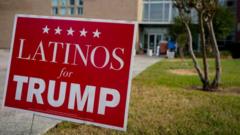
Donald Trump has achieved a stunning election victory over Kamala Harris, significantly reshaping the voter demographic landscape. This election marked Trump's continued appeal to white working-class voters and a notable surge in support from Latino voters, illustrating a pivotal change in traditional voting patterns. According to exit polls, Trump received a remarkable boost of 14 points among Latino voters compared to the 2020 election.The shift in Latino support was especially pronounced in key battleground states such as Pennsylvania, Michigan, and Wisconsin—areas that previously contributed to Joe Biden's win in 2020. Trump's victories in these states have dashed Democrats' hopes for a successful campaign despite early setbacks in southern states like North Carolina and Georgia.During his victory speech in Florida, Trump emphasized the diversity of his coalition, claiming it was "the biggest, the broadest, the most unified coalition" in U.S. history, encompassing various demographic groups including Hispanic Americans. In Pennsylvania alone, the state's growing Latino population played a crucial role, with Trump capturing 42% of the Latino vote there, a significant improvement from his prior performance against Biden.Pennsylvania's "Latino belt," particularly in industrial areas, has shifted to embrace Trump's policies, with many voters expressing their alignment with his economic message amid rising inflation. Samuel Negron, a Puerto Rican state constable from Allentown, noted that many Latinos felt disillusioned with Democratic promises, stating that their economic experiences focused on the stark rise in living costs.Support for Trump's immigration policy also resonated among Latino voters, with individuals like Venezuelan-American Daniel Campo expressing concerns about border security and advocating for legal immigration processes. This collective shift in allegiance significantly hindered the Harris campaign's prospects, as Trump also extended his appeal to younger voters and African American demographics.In battleground Wisconsin, Trump markedly improved his standing among younger voters, reducing Biden's previous 24-point advantage to just 11. Meanwhile, in the Detroit suburb of Macomb County, Trump’s economic messaging connected well with working-class voters who reported frustrations with inflation and high interest rates, further solidifying his position.Despite Democrats' efforts to address economic concerns through endorsements and electric vehicle investments, their messages were overshadowed by rising public discontent directed toward the current administration. Many voters across demographic lines voiced dissatisfaction with perceptions of responsibility for inflation and financial strain, which ultimately contributed to Trump's unexpected electoral gain.


