In brief
France’s Gravelines, one of the nation’s largest nuclear sites, saw two of its six reactors pulled offline after jellyfish clogged the seawater cooling filters. The marine creatures, attracted by warm waters and plankton blooms, threatened the plant’s cooling system. EDF has since shut down additional units for inspection and continues to monitor the situation. The incident highlights how climate‑driven marine life can impact critical infrastructure. Similar episodes have occurred at other European nuclear sites but are rare.
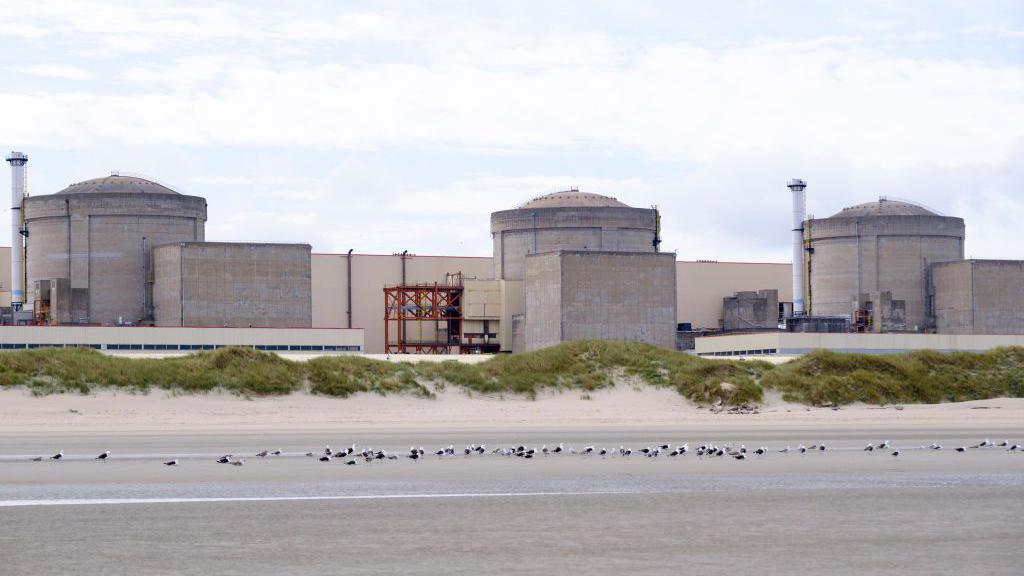
A massive influx of jellyfish has led to the partial shutdown of the Gravelines nuclear power station, one of the country’s biggest sites operating between Dunkirk and Calais.
Two of the plant’s six units were taken offline on Wednesday and Thursday after jellyfish clogged the seawater filtration system used for cooling, EDF said.
A third unit was shut on 10 August for the same reason, and a fourth was closed for inspection. EDF now reports that units three, four and six remain offline.
Each unit at Gravelines can produce 900 megawatts of power. The franchise has experienced similar jellyfish‑related shutdowns before, including a temporary closure last August.
Jellyfish are native to the French coast and can swarm when water temperatures rise, spiking plankton levels and drawing these creatures into the plant’s cooling system.
EDF has teamed with fishermen to capture and release jellyfish further offshore, aiming to reduce future infiltration risks.
While incidents like this are uncommon, records exist of similar troubles at Scotland’s Torness plant in 2011 and Sweden’s Oskarshamn site in 2013.