The $20 Million Shell Game: How Jay-Z’s MarcyPen Got Caught in Uncle Nearest’s Financial Implosion
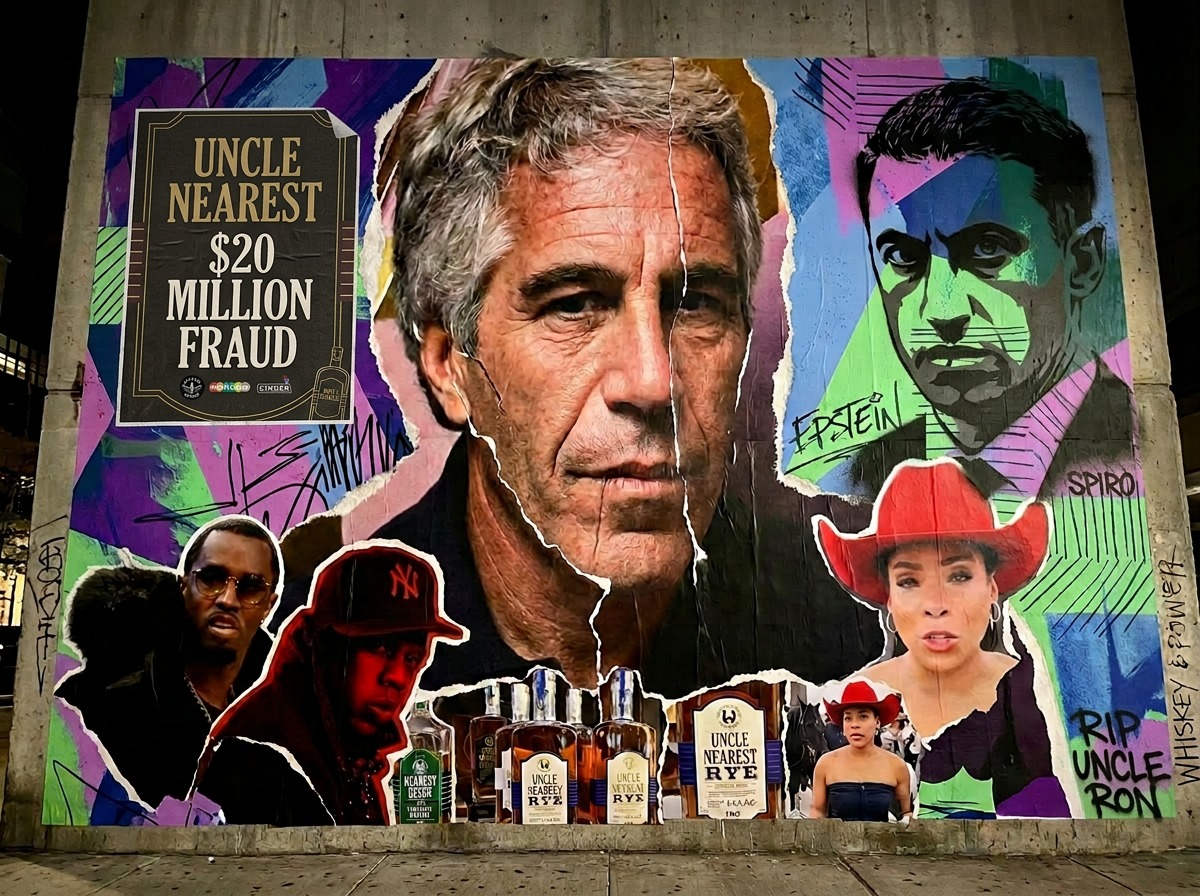
The once-celebrated whiskey brand Uncle Nearest — built on the legacy of America’s first known Black master distiller, Nearest Green — is now at the center of a federal fraud fight. And the $20 million at the heart of the latest accusations runs directly through an investment entity tied to Shawn “Jay-Z” Carter.
Court filings reveal that an investment group called MarcyPen — Carter’s venture capital firm — provided the funds to Uncle Nearest through an undisclosed convertible note agreement. The court-appointed receiver has accused founder Fawn Weaver of moving those funds into a separate bank account under her control, raising allegations of concealment aimed at avoiding creditor Farm Credit Mid-America.
In sworn testimony, Weaver reportedly admitted the money was structured so it “could not be snatched” by the lender. If proven, this could classify as fraud.
The situation continues to spiral; Uncle Nearest is under receivership after defaulting on $108 million in loans. According to reports, the company inflated its barrel inventory and may have misappropriated funds, leading to accusations of “fraudulent conduct.”
As legal troubles mount, Weaver launched “Operation Clear the Shelves” on social media, attempting to rally support for the brand despite public skepticism surrounding its finances.
While Jay-Z is not directly charged, the implications of MarcyPen's involvement in this financial chaos contrast sharply with the public narrative Weaver seeks to promote, demanding a critical examination of financial practices linked to Carter’s empire.
This case comes amid growing scrutiny of Carter's business dealings, especially as new allegations related to the Jeffrey Epstein investigation surface, prompting further examination of his network and the entities that surround him.