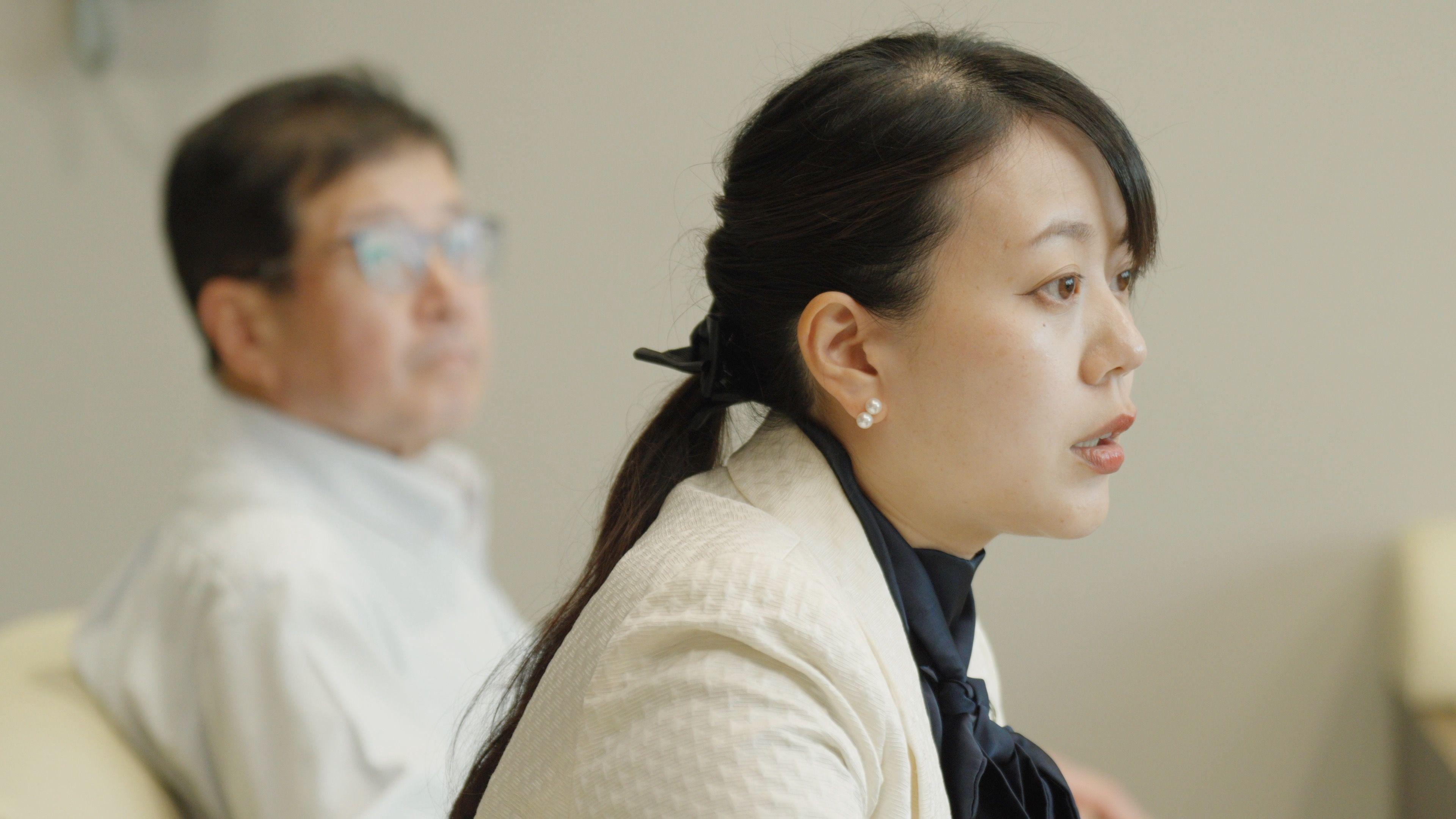
A quiet announcement turns into a national talking point.
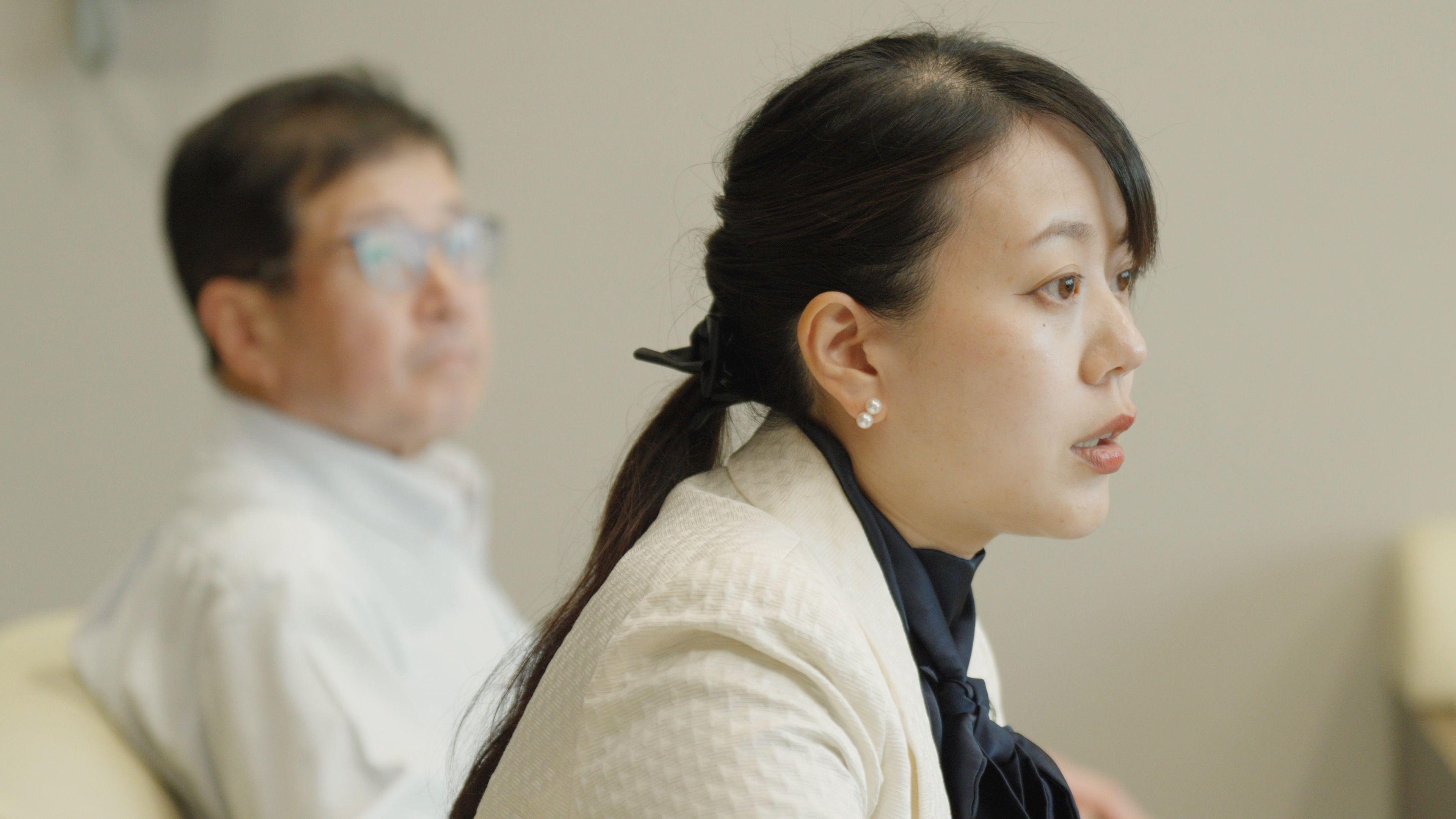
Shoko Kawata, 35, the youngest female mayor in Japan, said in a May press conference she would take a combined four‑month break – two months before and two months after her due date in mid‑September. The move made her the first elected official in the country to go on maternity leave while in office.
In the small city of Yawata, south of Kyoto, her deputy Shigeto Nose will step up as acting mayor during her absence. The arrangement is informal; no legal framework exists to allow local officials to take maternity leave, so Kawata simply delegated her duties.
The announcement sparked an avalanche of reactions online. Thousands of X posts and several YouTube videos debated whether a mayor should step away from public duties to have a child. Some applauded her choice, arguing it lets women pursue both family and career, while others slammed it as irresponsible, calling for resignations or salary cuts during leave.
Experts note that Japan’s statutory maternity and paternity leave policies, though generous, are rarely taken by public officials. Kawata said she hoped the debate would inspire reforms that allow politicians – especially women – to balance the demands of office and parenthood.
Economist and former mayor Shinji Ishimaru urged the government to develop practical solutions that keep essential services running while supporting families. Meanwhile, public perception remains split, reflecting broader gender inequities in Japan’s political arena.
As the nation watches Kawata’s pregnancy unfold, the case may become a catalyst for change in Japan’s approach to maternity leave for public servants.