In brief
Japan has restarted Reactor No. 6 at the Kashiwazaki-Kariwa Nuclear Power Plant, the largest in the world, after a long hiatus post-Fukushima disaster. Despite progress, public skepticism and regulatory hurdles persist as only one of seven reactors is operational, signaling challenges ahead for Japan's nuclear energy plans.
Japan has restarted a reactor at the world's largest nuclear plant nearly 15 years after a disaster at the Fukushima power plant forced the country to shut all its nuclear reactors.
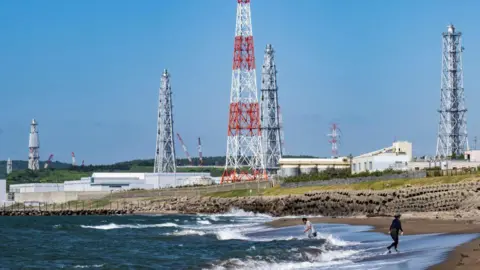
Reactor No. 6 at the Kashiwazaki-Kariwa plant located northwest of Tokyo was restarted on Wednesday. It was delayed by one day because of an alarm malfunction and is expected to begin operating commercially next month.
This is the latest installment in Japan's nuclear power reboot, which still has a long way to go. The seventh reactor is not expected to come back on until 2030, and the remaining five could be decommissioned. That leaves the plant with far less capacity than it once had when all seven reactors were operational: 8.2 gigawatts.
Japan, which had always heavily relied on energy imports, was an early adopter of nuclear power. But these ambitions were scuppered in 2011 by what is now remembered as one of the worst nuclear disasters in history.
Triggered by the most powerful earthquake ever recorded in Japan, the meltdown in the reactors at Fukushima Daiichi led to radioactive leakage. It traumatized local communities that were evacuated, and many have not returned despite official assurances that it was safe to do so.
Critics say the plant's owner Tokyo Electric Power Company, or Tepco, was not prepared, and the response from them and the government was not well-coordinated. An independent government report called it a man-made disaster and blamed Tepco, although a court later cleared three of their executives of negligence.
Still, the fear and lack of trust fueled public opposition to nuclear power, leading Japan to suspend its entire fleet of 54 reactors shortly after the Fukushima disaster.
The country has now spent the past decade trying to revive those power plants. Since 2015, it has restarted 15 out of its 33 operable reactors. The Kashiwazaki-Kariwa plant is the first of those owned by Tepco to be turned back on.
Before 2011, nuclear power accounted for nearly 30% of Japan's electricity, and the country planned to escalate that to 50% by 2030. Its energy plan last year unveiled a tamer goal: it wants nuclear power to provide 20% of its electricity needs by 2040.
Global momentum around nuclear energy is picking up, with the International Atomic Energy Agency estimating that the world's nuclear power capacity could more than double by 2050. However, as of 2023, nuclear power only accounted for 8.5% of Japan's electricity.
Prime Minister Sanae Takaichi, who took office in October, has emphasized the importance of nuclear power for Japan's energy self-sufficiency as demand is expected to surge due to data centers and semiconductor manufacturing.
Nevertheless, operating costs for nuclear reactors have surged due to new safety checks requiring hefty investments from companies attempting to restart their plants, raising concerns about the viability of nuclear energy.
Although the Kashiwazaki-Kariwa plant has resumed operations, public trust remains fragile amid scandals surrounding Tepco and persistent safety concerns. Security management improvements are underway, but the path to full nuclear energy revival in Japan faces significant challenges.