Weekend flare‑up escalates Israel‑Iran tensions
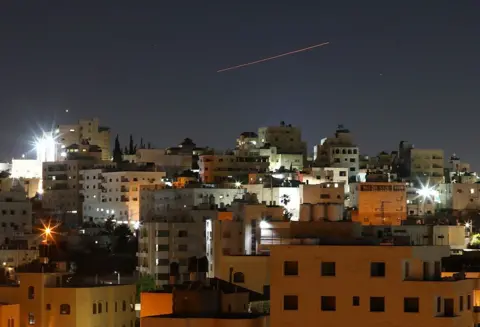
After Iran launched missiles toward Tel Aviv on Sunday, the Israel Defense Forces (IDF) carried out air strikes on Iranian infrastructure, marking the first use of overt force against Tehran in months. The response came despite a public request by President Donald Trump for Prime Minister Benjamin Netanyahu to avoid retaliation.
Trump’s warning and the reality of pre‑planned attack
Trump called Netanyahu on the same day, telling him that a counter‑strike could jeopardise his fragile diplomatic outreach to Tehran and potentially open the Strait of Hormuz, which he had emphasised as a critical asset for global oil flows. The Israeli strike proceeded anyway, signalling a tacit, limited approval from Washington given the US multinational forces stationed in Israel and the joint coordination noted by the IDF.
Tehran leverages conflict in nuclear talks
Iranian President Masoud Pezeshkian posted that the missile and air‑strike exchange boosts its negotiating position with the United States, framing the manoeuvre as “diplomacy and defence” – two wings of national power. Tehran seeks two main outcomes: sanctions relief to free billions of dollars tied up in Iranian oil revenues, and limits on Israeli escalation against Hezbollah to mitigate further confrontation.
US position and potential fallout
Trump’s recent interviews characterised the deal with Iran as “very close” and denied pre‑emptive lifting of sanctions, stating “no” to unfreezing Iranian assets upfront. The US’s large military deployment in the region and its A‑3C aircraft for air route coordination underline its continued support for Israel’s defensive actions, even as the administration prefers a diplomatic resolution. Analysts warn that the flare‑up could trigger a broader destabilisation, forcing the US and Iran into another round of direct conflict and endangering the fragile status quo.
Who wins the game?
Iran’s calculated risk – striking Israel to showcase resilience and leverage – may further strain the US‑Iran talks, yet it also risks aggravating the US’s interest in preventing another large‑scale war. For its part, Israel counts on de‑facto support from Washington and has protested Iranian missile launches; confronting threats from Hezbollah meanwhile remains a key defensive priority. The region now sits at a crossroads: renewed vigor in diplomacy may rely on containment of the next escalation.