In brief
President Donald Trump has announced the removal of Federal Reserve governor Lisa Cook, citing alleged false statements regarding her mortgage agreements. This decision adds tension to the existing conflict between Trump and the Fed over interest rates.
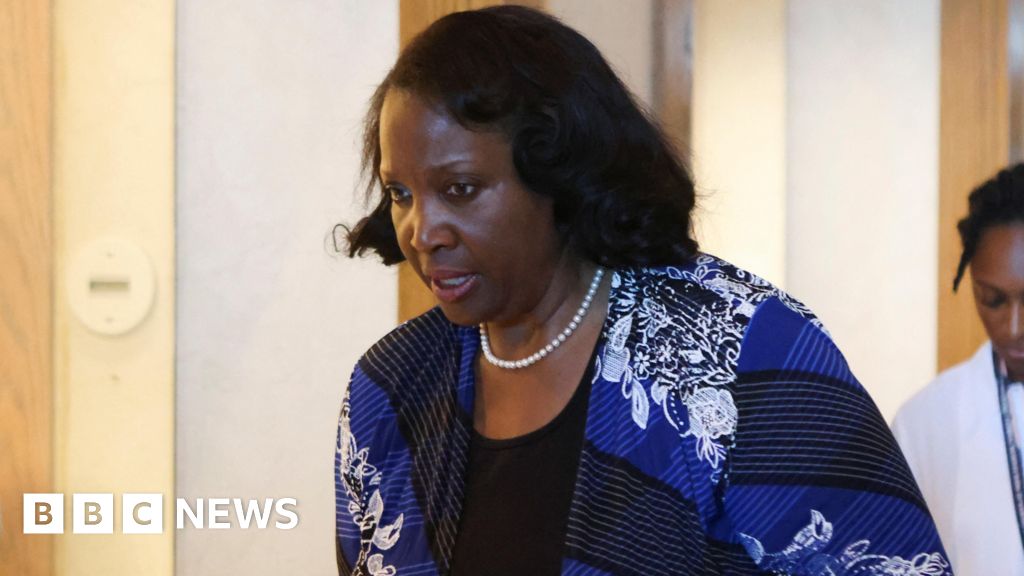
President Donald Trump has officially ordered the immediate removal of Federal Reserve governor Lisa Cook from her position, marking a dramatic escalation in his ongoing conflict with the US central bank. On his social media platform, Truth Social, Trump shared a letter addressed to Cook, asserting there was sufficient reason to believe she gave false statements regarding mortgage agreements. Trump invoked constitutional powers to execute the removal. This unprecedented action, believed to be the first of its kind in the Fed's 111-year history, raises significant legal questions as to whether the White House can substantiate the grounds for Cook's dismissal.Cook has not publicly responded to her dismissal, but the Federal Reserve as an institution has remained silent on the matter. In his announcement, Trump claimed Cook signed a document stating a property in Michigan would be her primary residence, subsequently contradicting this with a second document for a property in Georgia.Moreover, the president has been applying increasing pressure on the Federal Reserve, particularly targeting its chair, Jerome Powell, with remarks questioning the Fed's reluctance to lower interest rates as per Trump's demands. This latest development might exacerbate tensions between the central bank and the White House, potentially triggering judicial inquiries into the legitimacy of Trump's decision to remove Cook.Trump's letter alleged that two weeks post her residence commitment, Cook submitted another declaration undermining the validity of her first commitment, which he believes shows a significant breach of responsibility.Calls for Cook's resignation had been previously made by Trump over similar allegations of mortgage fraud, which prompted a letter from a housing finance regulator urging investigations. Cook learned about these allegations through media, commenting that she had no intention of stepping down due to pressure and remains committed to addressing any legitimate inquiries regarding her financial history.If Cook or the Federal Reserve oppose the dismissal, it might lead to a standoff with potential implications for the Fed's longstanding independence from the federal government, which has been solidified since the early 1950s.