In brief
Israel's recent airstrikes in Lebanon have targeted various locations outside of Hezbollah's control, including a vehicle north of Beirut and neighborhoods within the capital. The strikes have caused considerable destruction, including the targeting of health facilities, and have resulted in civilian casualties, with at least seven fatalities reported. The assaults are part of Israel's strategy to dismantle Hezbollah infrastructure, amidst an ongoing broader conflict that has already displaced over one million people.
Israel has intensified its attacks on Lebanon this week, hitting areas outside of Hezbollah's control on Tuesday.
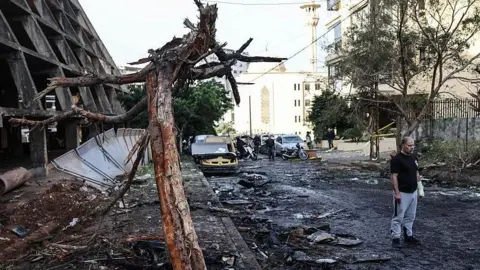
Strikes without warning hit a vehicle north of Beirut and the Jnah neighbourhood in the heart of the capital.
Attacks also continued in the city's southern suburbs and the country's south, both where Hezbollah has a strong presence.
A building was destroyed on the road to Beirut's airport after an evacuation order, and in the south, a strike hit a health facility, killing a paramedic, according to Lebanon's health ministry.
Israel's military said it had hit Hezbollah infrastructure in Beirut and killed a senior commander and another senior figure from the Iran-backed armed group.
Hezbollah joined the ongoing regional war on March 2, sending missiles towards Israel, following US and Israeli attacks on the armed group's ally, Iran, on February 28.
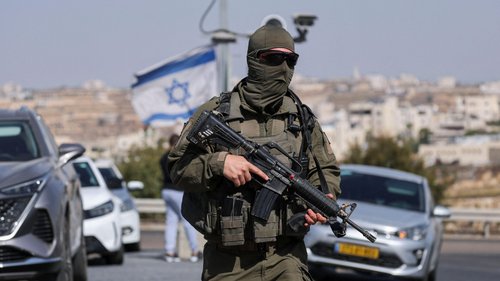
Israeli attacks have kept bombarding Lebanon as its troops have moved into the country's south.
On Tuesday, a vehicle was targeted in the Mansourieh area, a predominantly Christian residential neighbourhood north of Beirut.
Meanwhile, the Jnah neighbourhood in the heart of the capital was attacked after midnight. The Lebanese health ministry said the Al-Zahraa Hospital had received and treated a number of those injured in the air strike.
Hassan Jalwan, a local resident, reported hearing several big explosions overnight, expressing the fear and uncertainty rampant among displaced citizens in the area.
In a separate incident, at least seven individuals were killed due to Israeli strikes in the south, including the paramedic, bringing the total number of health workers killed since the start of the war to 53.
The Israeli Defence Minister announced a decision to maintain control over substantial territories in southern Lebanon to establish a buffer zone, prompting international criticism and humanitarian concerns regarding displacement and destruction.
The ongoing conflict has displaced over one million residents, intensifying fears of a humanitarian crisis in southern Lebanon where many are witnessing repeated cycles of violence and belonging to a tradition of land loss.
As this conflict persists, prospects for stability remain bleak as the region anticipates further escalation.