In brief
Twana Jamal, a convicted people smuggler nicknamed “Pasha,” received a five‑year sentence in France for moving migrants across the Channel. A BBC investigation traced him to Blaby, a Leicestershire village, where he is said to drive without a licence and works at local mini‑marts under a false name. The case raises questions about the effectiveness of UK asylum checks post‑Brexit, as criminal records from EU countries may not be fully accessible. Immigration officials warn that asylum seekers with overseas convictions could slip through the cracks, and 15 similar cases have been reported in the UK. The Home Office stresses that mandatory security checks are in place, yet data sharing gaps remain a concern.
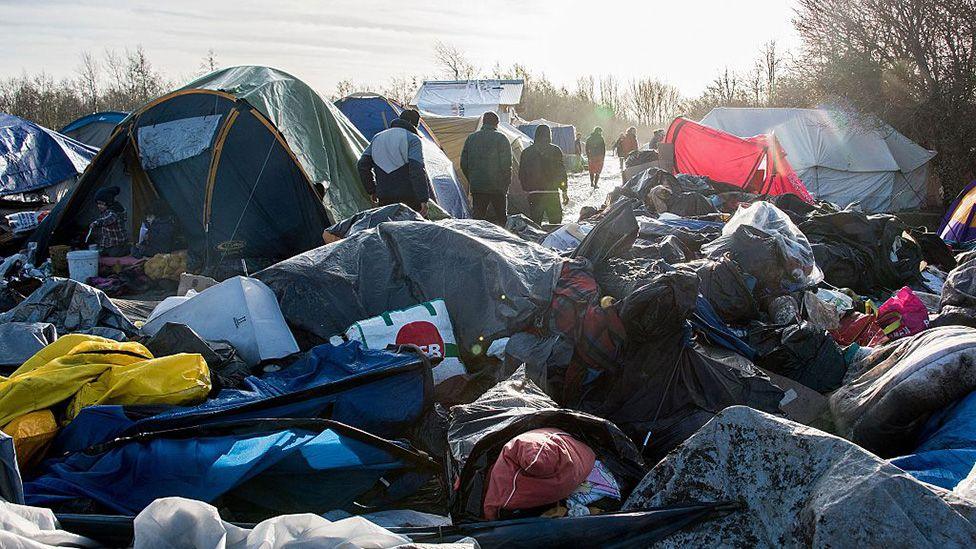
Twana Jamal was sentenced to five years’ jail in 2016 for leading a lucrative people‑smuggling operation from a camp near Dunkirk. Prosecutors said he once earned as much as £100,000 a week moving illegal immigrants across the Channel.
A BBC investigation, prompted by a tip, located Jamal in Blaby, a small village in Leicestershire. Observers noted he drives a car without a licence and works at two local mini‑marts, both called Candy Corner. When questioned he claimed he had applied for asylum and was still waiting for a decision.
His case highlights an emerging gap: after the UK left the EU, datasharing on criminal records from European countries has been reduced. Immigration officials say the Home Office conducts mandatory security checks, yet convictions abroad may not surface, allowing individuals with serious offences to remain in the country legally.
Officials in France, Germany and Belgium are aware of 15 people‑smuggling suspects believed to now reside in the UK under false identities, suggesting Jamal is not an isolated incident.
The Home Office notes that 83 % of immigrants arrested for illegal work in 2024 is the highest level in history, showing that enforcement is intensifying but gaps persist. Data sharing agreements with nearby EU nations—such as Germany, Belgium, Netherlands and France—are necessary for a comprehensive view of a suspect’s background.
What next? The BBC is following the case and will report any legal actions or changes in immigration policy that may address these loopholes. Contact the BBC with any insights on how cross‑border checks might be strengthened.