In brief
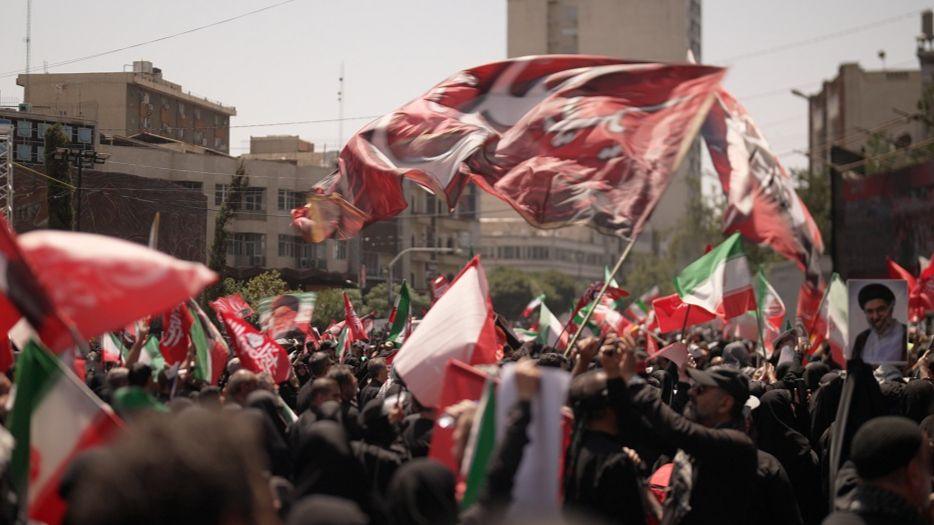
In Tehran, mourners gathered for a three‑day mourning period that ended with a massive funeral convoy for the slain Supreme Leader, Ayatollah Ali Khamenei. The procession, lasting 10 kilometres, was slowed by millions of citizens chanting slogans of retaliation and grief. While some questioned the legitimacy of the parade, many participants welcomed it as a display of national resistance. The ceremony also carried political undertones, stressing Iran's resolve to avenge the leader's death. Following the funeral, official commemorations continued in Qom and later to Shiite holy sites in Iraq, emphasising the ideological reach of Iran's leadership.
Three days of public mourning in Tehran for the slain Supreme Leader concluded with a ministerial procession that was as much a political statement as a ritual funeral. The vast funeral convoy, carrying Khamenei’s coffins and those of four family members, wound its way along a ten‑kilometre stretch of Tehran’s most well‑known avenues. Martyrs’ marches are a staple of Tehran’s political theatre, but this time the spectacle was choreographed with a clear payoff: an enduring message of resistance and revenge aimed at the United States and other Western actors.
While the parade was drawn to a standstill in places — tinged with thousands of mourners chanting the Republic’s slogans of “death to America” and “death to Israel” — it also drew in foreign media and influencers. Interactions with journalists were emotionally charged, and the atmosphere of the gathering pulsed with the unspoken anger of a society wounded by two wars, soaring inflation and the aftermath of the January protests.
In the midst of those fervent crowds, the images that rose above the dust were starkly symbolic: a cabre della Khamenei’s 14‑month‑old granddaughter, painted in green, red and white — the tricolour of the Iranian flag — and a flatbed truck rendered in intricate Islamic latticework. The procession was a pronounced iteration of the government’s narrative: that Iran is a beehive of devotion, where each curtailment from the West deepens the sense of collective grief and obligation to “revenge.”
Evoking the memory of Ayatollah Khomeini’s funeral, the scenes in Tehran congealed into a savage, unforgettable tableau. The man by the standoffish central square claimed that “Soon, very soon you will see signs of revenge at the top of the White House.” Meanwhile, the government declared it a necessary reminder that the subject of the alleged assassination must be avenged with force. The march was a politically charged spectacle that used public grief as a warning and a rallying call for legal revival.
The commemoration of the Supreme Leader was more than a burial. For a country that sits at the crossroads of long‑lasting conflicts, each moment of mournful ceremony is a transition into a new world that must harness the balance of religion, nation and militancy. Iran must now negotiate a new future with the United States while still guarding the pillars of its delicate power structure. The next chapter awaits the new generation, who will be forced to reconcile the past, the present, and the future of their sovereign state.