Iran's Calculated Strike: Why a Limited War May Outweigh Peace
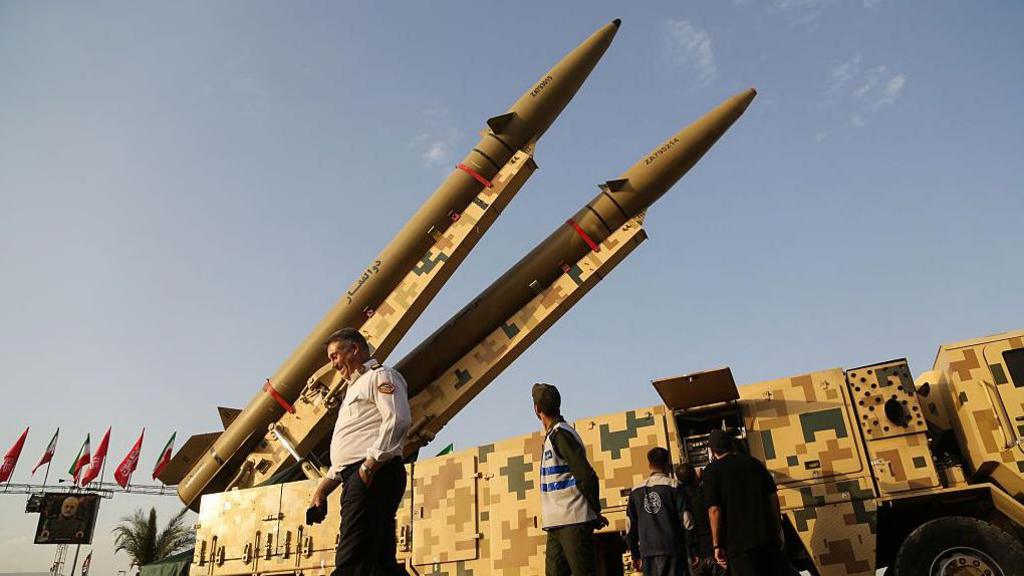
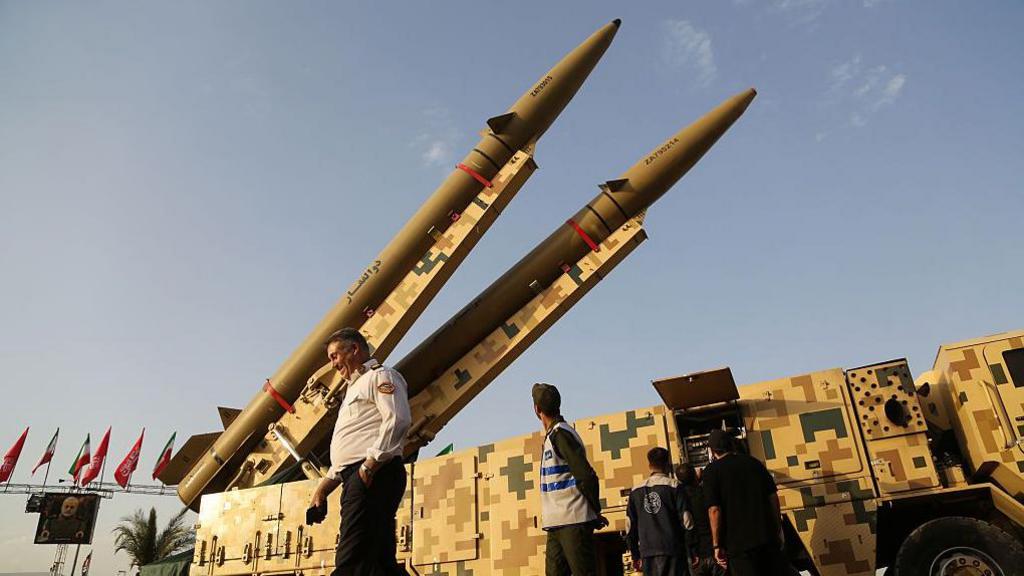
In a surprising turn, Iran launched missiles at a U.S. compound in Jordan, ending a brief lull in hostilities and forcing Washington to resume strikes inside Iran. The move, far from being a retreat to peace, signals a strategic embrace of a limited conflict.
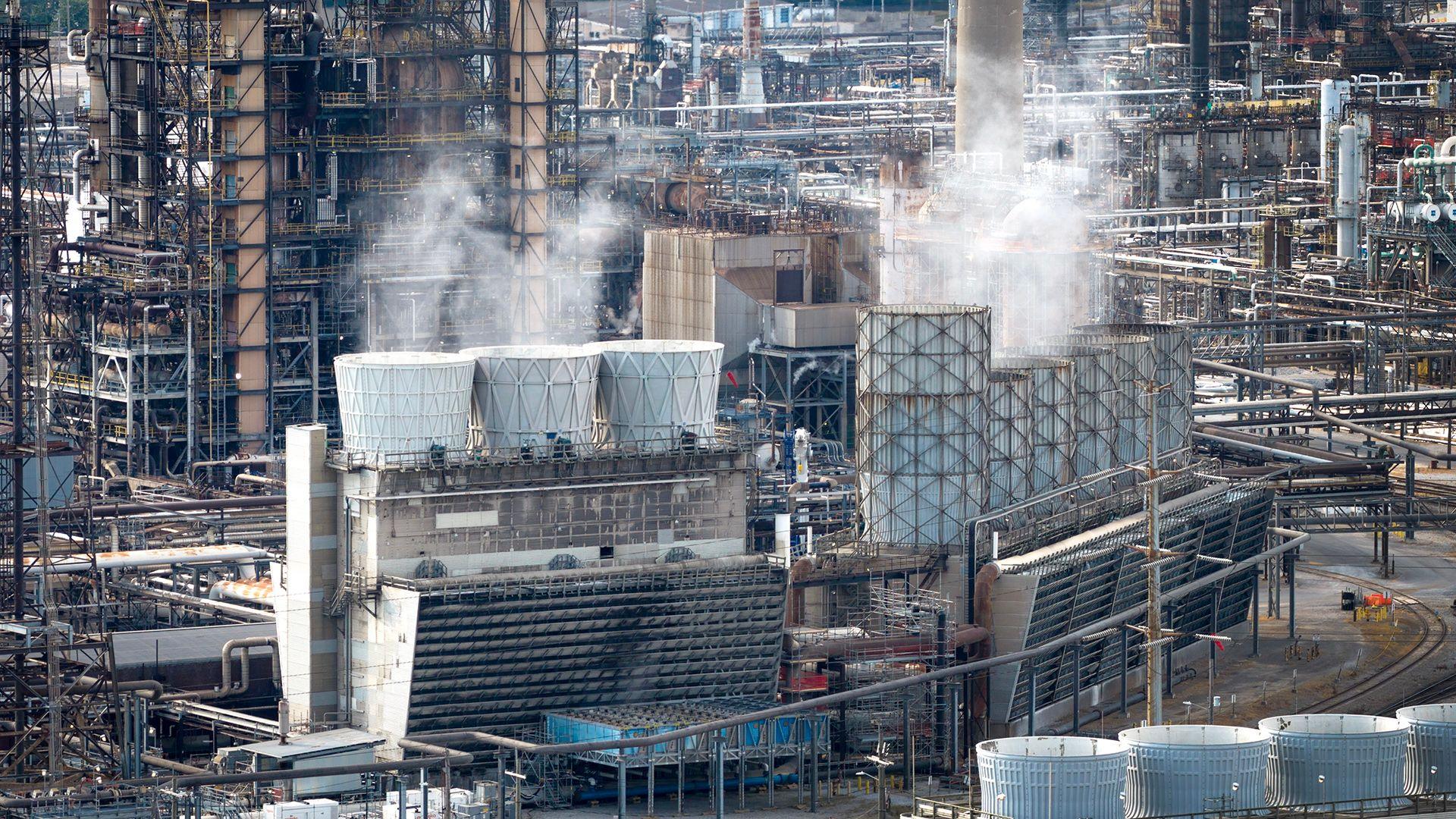
For Tehran, a carefully managed war offers more leverage than a brittle ceasefire. The country’s air defenses are weakened, its industrial base vulnerable and sanctions still tightening, making the prospect of a full‑scale war costly in terms of reconstruction and economic collapse.
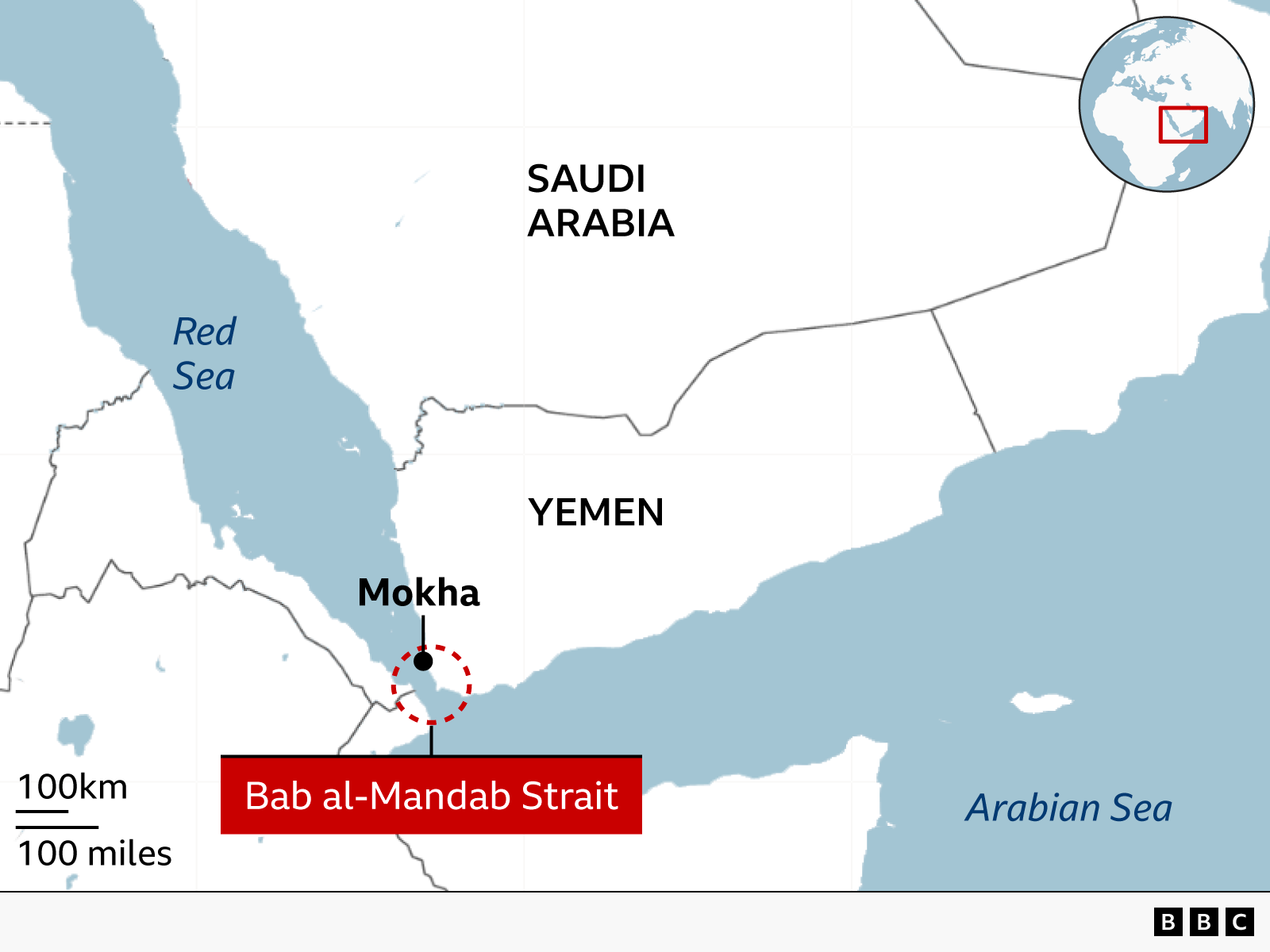
Meanwhile, the U.S. remains wary of a wider regional war that could threaten energy pipelines and sideline shipping lanes. By keeping the crisis just below the threshold of global conflict, Iran can maintain pressure on U.S. sanctions and the Strait of Hormuz while avoiding the immediate costs of a full war.
Domestic politics also play a role, as the Iranian government can use external conflict to rally public support, suppress dissent, and justify increased security measures—factors that may reduce immediate political pressure even as the economy suffers.
However, the model is fragile: escalation is a real risk, and the growing involvement of Gulf states who have so far stayed on the sidelines could tip the balance further against Tehran. The next U.S. or Iranian strike will decide whether the conflict stays contained or spirals into a larger war.