In brief
Chief Justice Surya Kant’s remarks about unemployed youth have sparked a backlash among law students. Students from Nalsar University and National Law School of India University have asked their institutions to refuse him as a convocation guest. The controversy stems from the judge’s comments on police brutality during a protest and his dismissal of a petition. A Bar Council chairman threatened to bar the graduating students until further orders. The issue continues to affect India's premier law schools and the judiciary.
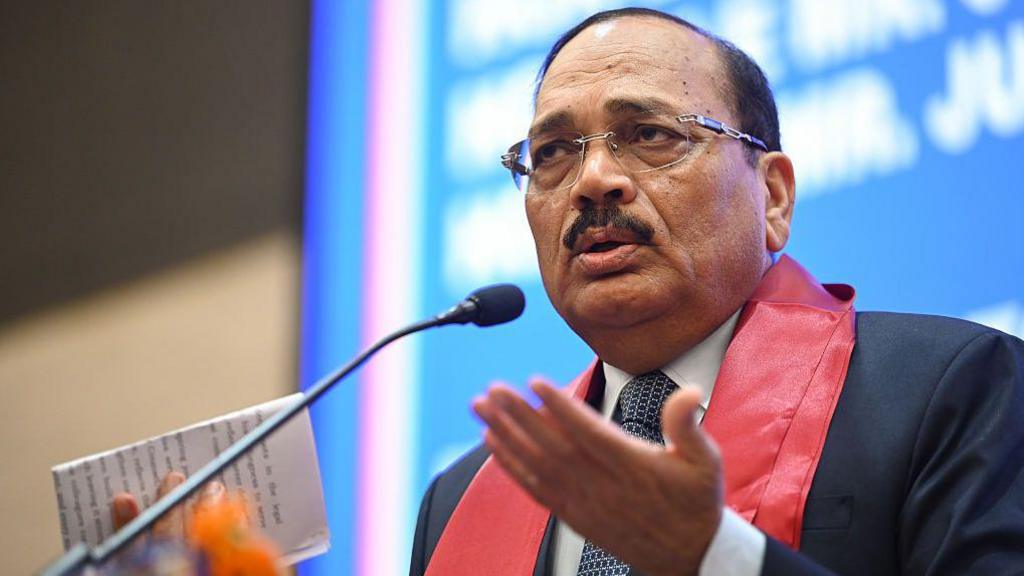
Chief Justice Surya Kant has been at the centre of a growing protest by law students after his remarks about youths sparked anger and accusations that he should not be invited to any of their upcoming graduation ceremonies.
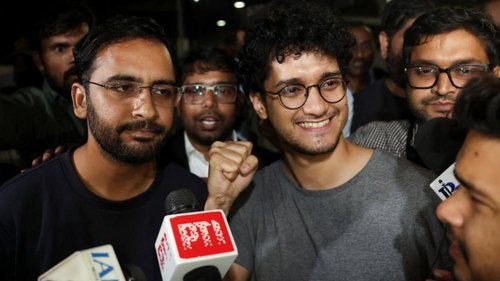
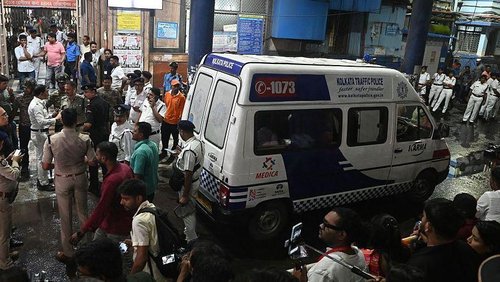
The unrest began in late July when students from Nalsar University in Hyderabad expressed disappointment after the chief justice allegedly referred to some unemployed youth as cockroaches and parasites. This comment was also cited as a motivation for the online satire movement known as the Cockroach Janta Party, which intensified a nationwide protest that led to police confrontations.
Nalsar students, numbering around 450 of a 1,400 student body, sent an email to the university leadership requesting a withdrawal of the invitation and requested that the chief justice not be accepted as the main guest at their convocation. Their argument was that a dignitary who dismissed reports of police brutality should not be able to preside over the ceremony that celebrates the hard work and dedication of the graduating cohort.
In response, the Bar Council of India chairman issued a warning that any Nalsar graduates could be barred from enrolling until further orders, a move that sparked further backlash. The chief justice himself clarified that he had not refused any petitions and asked for proper filing procedures to be followed. His later statement that “he had not accepted the invitation” was seen as an attempt to mitigate the spotlight on him, though the debate among law schools has not ended.
National Law School of India University, a second Kerala‑based law college, followed suit, issuing an open letter refusing the Bar Council’s threat and extending solidarity to Nalsar students. They too asked institutional leaders to consider not inviting the chief justice for their own graduation ceremony, thereby aligning the two schools in a united stand. The chief justice later added that the question of attending the convocation was not applicable because he had never accepted the invitation, but how students will interpret that remains a point of contention.
The controversy over the chief justice’s remarks, which began with an off‑hand statement in court about “unemployed youth”, has intensified due to its perceived socio‑political impact. The remarks, aimed at students with faux qualifications, caused a huge backlash that led to the formation of the satirical movement providing students a platform to challenge the government. The protests culminated in the resignation of an education minister and ended only after the chief justice’s clarification. The fallout remains in the spotlight of India’s premier law institutes and the judicial system.