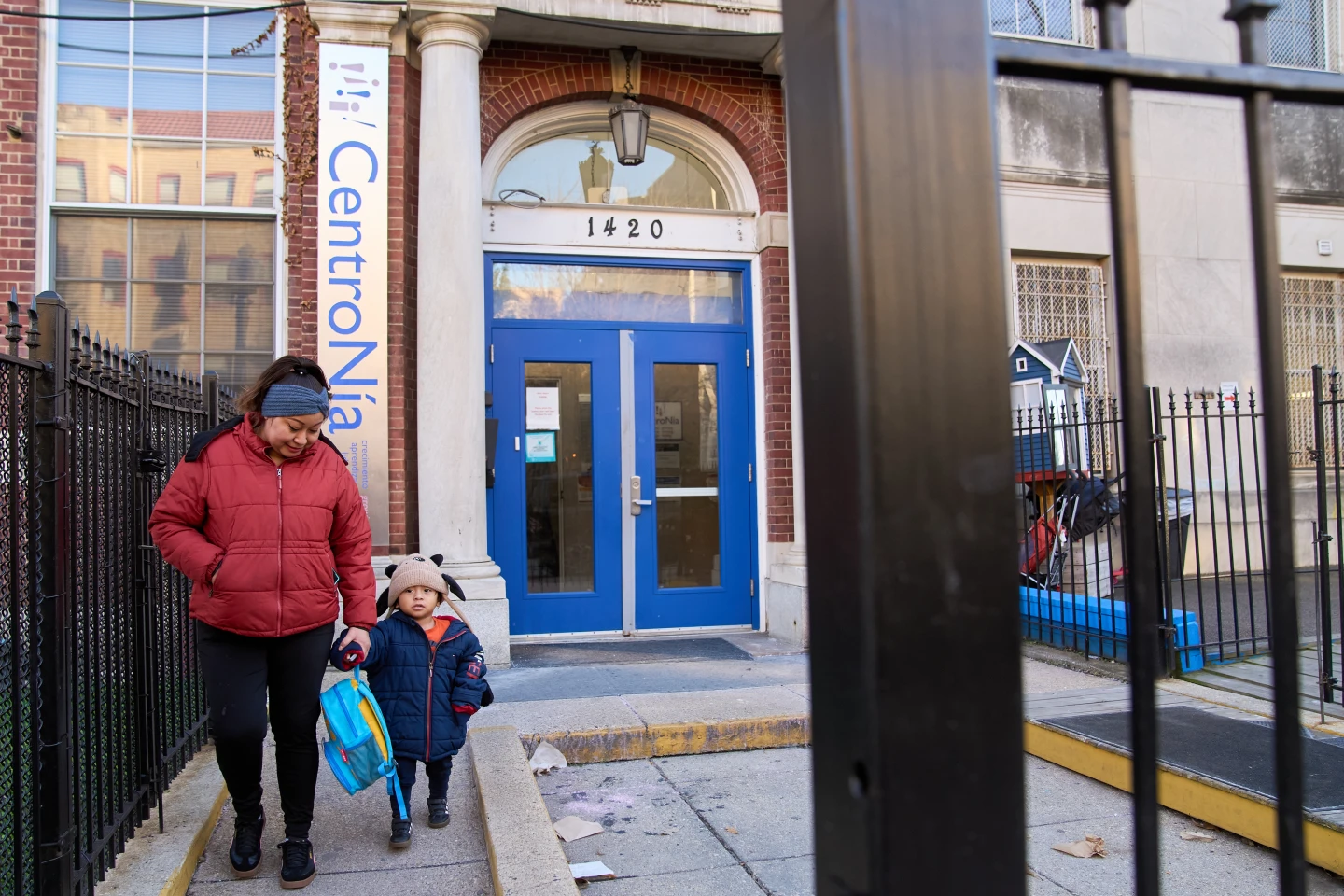
WASHINGTON (AP) — Following President Donald Trump's inauguration, CentroNía, a bilingual preschool, prepared for potential ICE visits, altering their operations in response to the fears surrounding immigration enforcement. As ICE became a persistent presence in their Latino community, staff ceased outdoor activities previously part of the curriculum and canceled beloved events like the Hispanic Heritage Month parade, opting instead for lower-profile activities within the school's four walls.
This wave of anxiety peaked in October, coinciding with ICE's controversial arrest of a teacher at a Chicago preschool, triggering widespread concern among immigrants in child care sectors. Many workers, regardless of their legal status, reported feeling targeted and vulnerable, with the situation exacerbating an already significant worker shortage across the child care industry.
CentroNía's CEO Myrna Peralta noted that all staff members are legally authorized to work, yet the fear induced by ICE's confrontations has fundamentally influenced their operational decisions, prioritizing safety and low visibility over community engagement. Teachers are now keeping children indoors, turning once routine activities into cautious affairs, drastically redefining the classroom experience.
According to recent reports, immigrant workers constitute a substantial segment of the U.S. child care workforce, especially in major metropolitan areas, where challenges in accessing legal support and rapid policy changes surrounding work authorizations limit their ability to remain in the industry. Amidst these changes, centers face difficult staffing challenges as many teachers evacuate the field fearing deportation.
Moreover, personal encounters with ICE have left lasting stress marks on teachers and staff. One employee was detained during a routine walk, further evidencing the ongoing terror permeating the community, while others recounted their own harrowing experiences tied to immigration enforcement.
As repercussions from ICE’s increased activities affect both the mental health of educators and the educational landscape for young children, even affluent communities are not insulated from such events, revealing the pervasive nature of fear driven by the current immigration climate in the U.S.