In brief
Hungary’s parliament has overturned a 2021 child‑protection law that criminalised the promotion of homosexuality and transgender identities, a turning point for LGBTQ rights in the country. The change follows a new Tisza government that has been steadily dismantling several of Orbán’s controversial measures. Activists praised the move but urged the government to tackle remaining barriers, such as same‑sex marriage and the right to change legal names. With the EU freeing €4.2 bn that had been frozen, Hungary signals a potential shift in its relationship with European institutions.
Hungary’s parliament has overturned the 2021 child‑protection law that outlawed the portrayal or promotion of homosexuality or transgenderism, a landmark move for LGBTQ people in the country.
The law, approved by the former Fidesz majority under Prime Minister Viktor Orbán, had been a cornerstone of his anti‑LGBTQ stance, casting queer identities as a threat to public morals.
The Tisza government, led by Prime Minister Péter Magyar, has been working to undo Orbán’s legacy and this latest vote signals a clear break from the past. Activists squarely applauded the decision, noting that the changes remove the most “stigmatising” aspects of the legislation.
Minutes after the vote, the capital announced that the European Commission had released €4.2 bn that had been frozen during the previous administration, further easing Hungary’s strained ties with the bloc. The funds were earmarked for programmes such as Erasmus+ and Horizon Europe.
While the repeal is a step forward, civil‑rights groups stress that more work remains. Calls continue for full recognition of same‑sex marriage, the right of transgender citizens to change their names on official documents and for LGBT couples to adopt children.
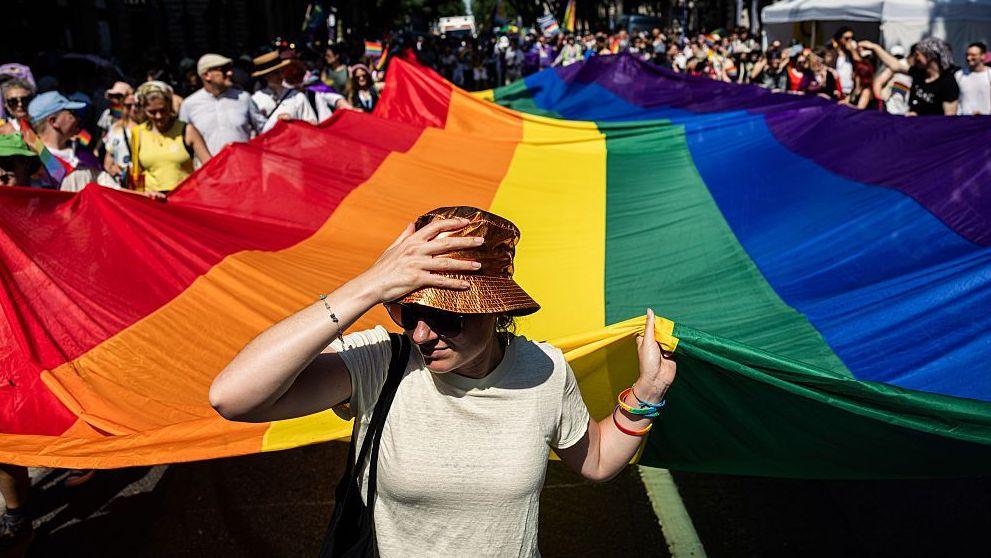
The change comes weeks after this year’s Budapest Pride march, which moved forward unimpeded following a failed ban by Orbán’s government. The event drew an estimated quarter of a million participants, a testament to Hungary’s growing pro‑Pride momentum.
In comments to the BBC, Tamás Dombos of the civil‑rights group Háttér noted that the new amendments are a “major improvement” on the Orbán years but that “the door is still closed” on many other issues. He encouraged the government to keep listening to activists on the other side of the aisle.
Meanwhile, Fidesz and its Christian‑Democratic ally voted against the amendments, arguing that “there is no place for the promotion of LGBTQ content in schools or the media.” The opposition’s stance reflects lingering resistance to full equality for sexual minorities in Hungary’s public sphere.