In brief
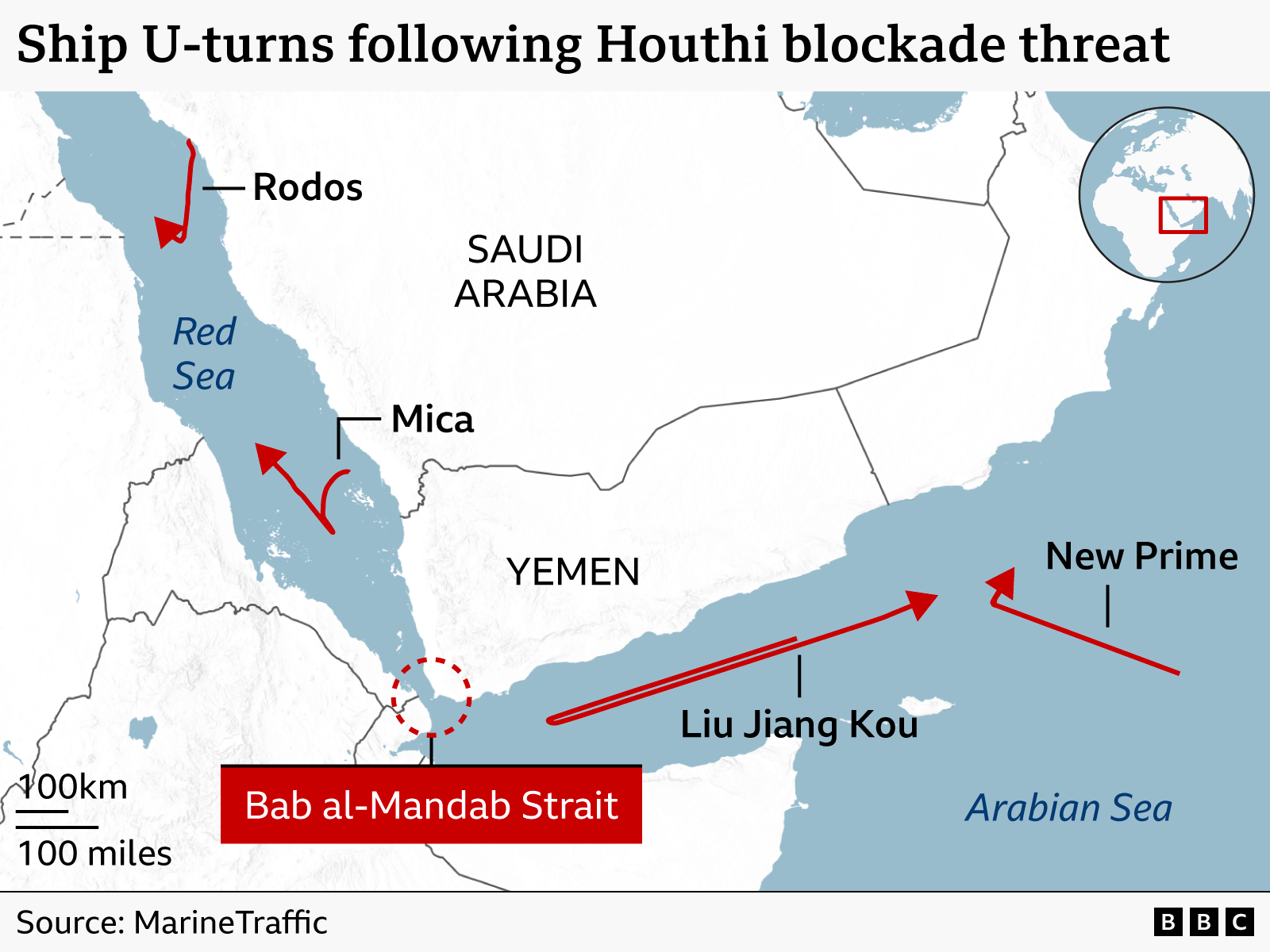
The Iran‑backed Houthi militia in Yemen has begun striking commercial vessels in the Red Sea, forcing ships to turn away from the Bab Al‑Mandeb Strait and threatening to choke a vital corridor that links Europe to Asia. The attacks coincide with a surge of US airstrikes on Iranian coastal batteries, making the region one of the most volatile in the world. Shipping disruptions not only raise costs for oil, gas and fertiliser, but also force Saudi Arabia to rely on its internal pipeline and could push the corridor into a longer‑term blockade. A lack of diplomatic resolution could trigger a broader arms race and ripple across the global economy.
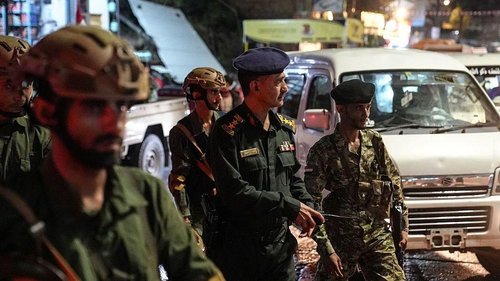
Yemen’s Houthi fighters claim to have attacked shipping in the Red Sea, signalling a fresh escalation that could bring the already fraught Middle East into a wider conflict.
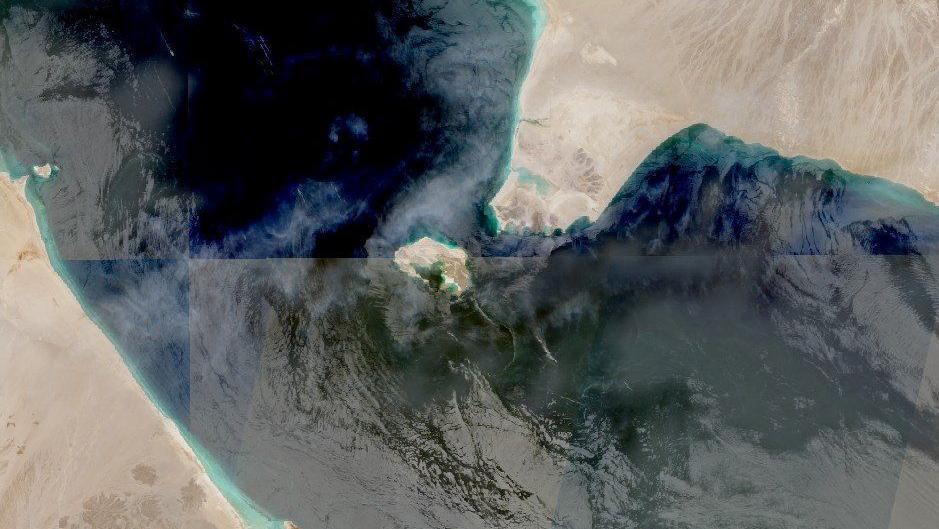
The militia—backed by Tehran—has reportedly forced several commercial vessels to make U‑turns at the narrow Bab Al‑Mandeb Strait, a critical chokepoint that links the Red Sea to the Indian Ocean. Such maneuverings increase the risk of a full‑scale blockade, threatening the flow of oil, gas and fertiliser that fuels global supply chains.
These attacks come on the heels of a campaign of nightly US airstrikes on Iranian coastal radar, drone and missile sites. Washington’s intensified strike‑fire is designed to curb Tehran’s influence over the Houthis, but it has yet to break the stalemate, and the Houthi‑themed threats are worsening the already tense atmosphere between Iran, Saudi Arabia and the United States.
The Red Sea corridor is the artery for a swathe of the world’s energy and fertiliser supply. A sustained Houthi interdiction would force carriers to detour around the Horn of Africa, adding fuel, time and insurance costs that would reverberate across commodity markets.
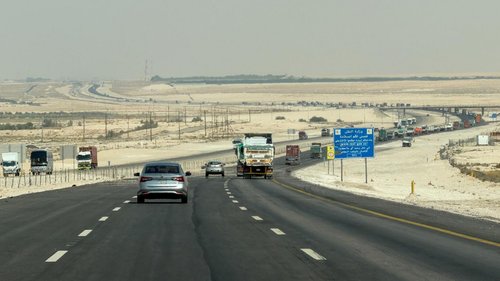
Saudi Arabia has attempted to offset the blockade by shifting millions of barrels of oil from the East‑West Pipeline—shuttling crude from its eastern fields to its western export terminals—toward shipping lanes that skirt the raiders’ sphere near Bab Al‑Mandeb. This re‑routing, however, has reached its limits; the pipeline can no longer absorb the full volume needed for global export demands.
If the Houthi threat forces a permanent or semi‑permanent bypass of Bab Al‑Mandeb, shipping costs will climb sharply and the United Nations’ maritime security rating could wriggle towards a ‘high‑risk’ zone, prompting insurance premiums to rise and tightening supply lines to Europe, Asia and beyond.
Beyond the economic fallout, the backdrop of a new US‑Iran nuclear development pact with Saudi Arabia has ignited fears of an escalating arms race. The thought of regional powers pursuing their own nuclear capabilities ties into a broader pattern of security dilemmas that have haunted Iraq and Syria and could now destabilise the Gulf again.
Unless a hard‑won diplomatic agreement emerges that stops both Houthi aggression and Iranian shadow strikes, the Middle East may face a prolonged period of instability that will reverberate around the globe, especially in the energy and trade sectors.