In brief
Six days after devastating twin earthquakes in La Guaira, Venezuelan officials confirmed the rescue of three‑year‑old Klieber Morán, who was pulled alive from collapsed houses by a Jordanian search team. The junior victim received first‑aid and was transported to a Caracas hospital, where doctors say his vital signs are good. The rescue came amid UN‑reported shortages of food, shelter and medical supplies, with an estimated 1,943 deaths and more than 10,000 injuries. International relief agencies, including teams from the US and Mexico, continue to search the rubble while the UN has dispatched a 47‑tonne humanitarian shipment to the capital. Local communities struggle with fierce competition for limited supplies, with reports of violence over scarce food.
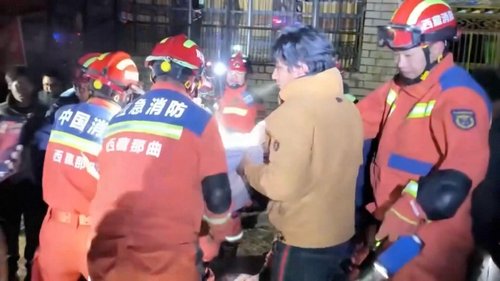
A three‑year‑old boy, identified by Venezuelan interim president to be Klieber Morán, was pulled alive from rubble in La Guaira state six days after the twin magnitude 7.2 and 7.5 earthquakes that struck the country last week. The child was rescued by a Jordanian search and rescue team that delivered first‑aid and then took him to a hospital, where doctors say his vital signs remain good.
Delcy Rodríguez described the rescue as a “moment of hope,” while the UN warned that more than 10,000 people remain unaccounted for and tens of thousands are in urgent need of food and shelter. The death toll from the quakes has risen to 1,943, and satellite data from NASA show 58,870 buildings were damaged or destroyed.
International rescue teams—including crews from the U.S., Mexico and dozens of other countries—continue to comb through the rubble with trained dogs and heavy equipment. A 47‑tonne shipment of humanitarian supplies, including emergency medical kits and newborn care items, arrived on Tuesday for the capital.
Meanwhile, Venezuelans are burying the dead who have been discovered, while many families await the remains of loved ones presumed dead. At a makeshift morgue in La Guaira’s port, local residents reported the difficulties of identifying the deceased and the slow pace of disposal services.
The UN’s refugee agency noted widespread food shortages, basic service breakdown, and largely severed communications. “Community tensions are rising as access to assistance remains constrained,” the UNHCR said, adding that an initial $15 million was needed to scale up relief for 30,000 people.
The World Health Organization warned of heightened risk for vaccine‑preventable diseases such as measles and diphtheria due to low vaccination coverage in the disaster area.