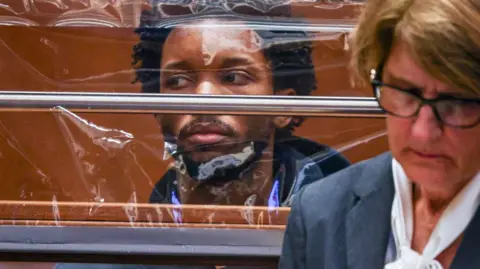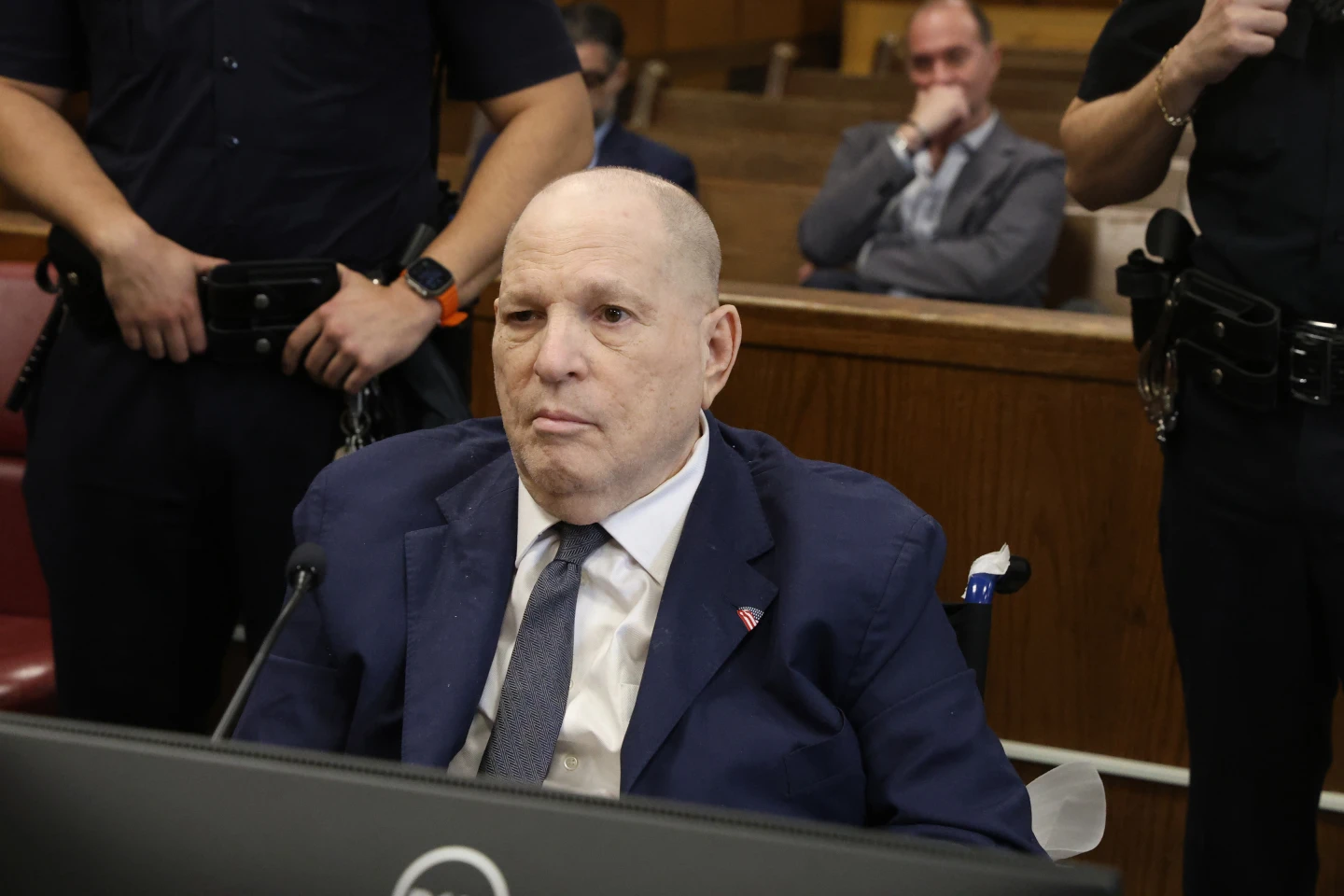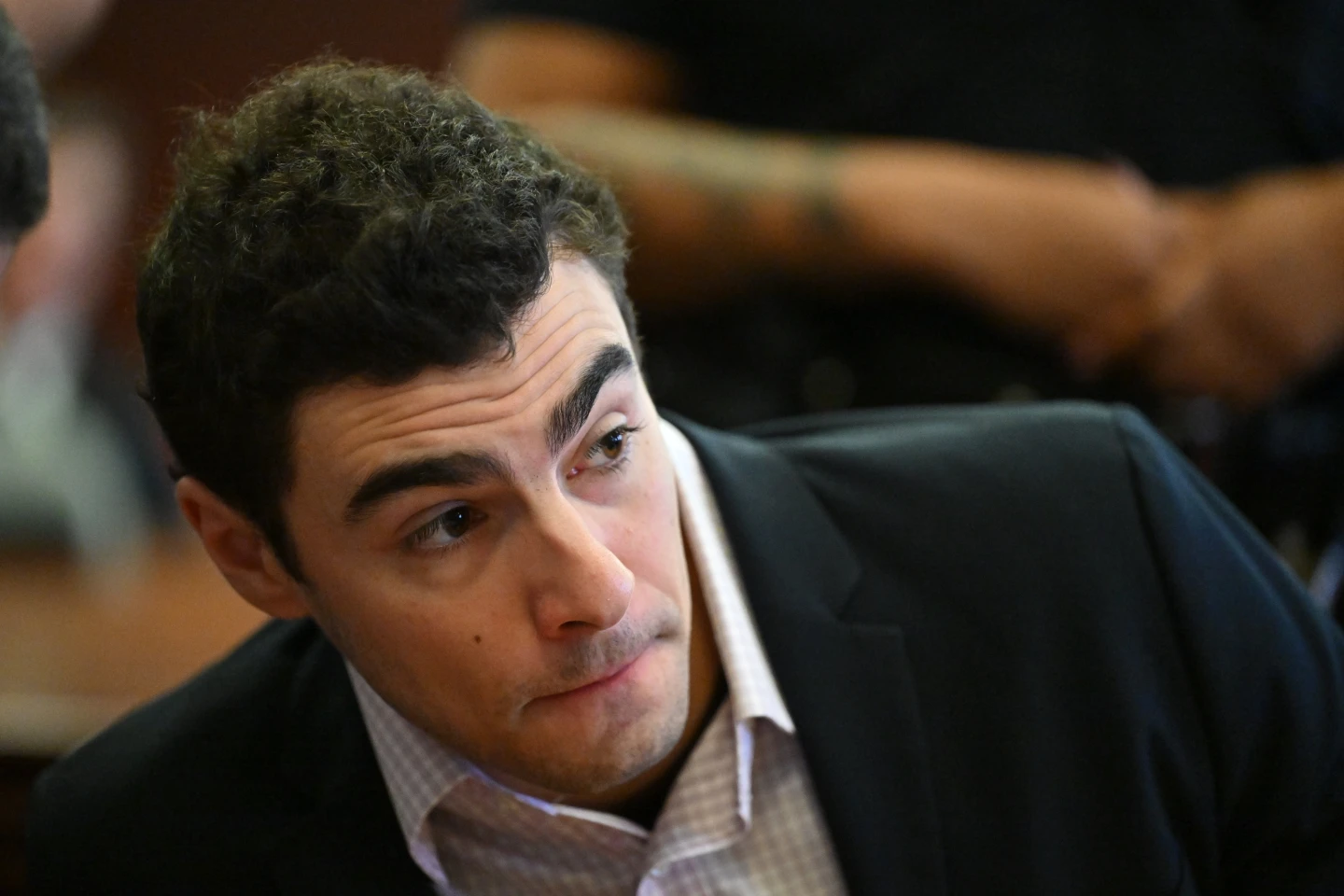
NEW YORK (FlashPoint) — The courtroom drama continues as a high-stakes hearing unfolds in the murder case of Luigi Mangione, who stands accused of killing Brian Thompson, CEO of UnitedHealthcare. This pivotal hearing comes exactly a year after Thompson’s tragic death, which has captivated public attention.
Luigi Mangione, 27, has declared his not guilty plea to both state and federal charges related to the case. During this hearing, his legal team is challenging the potential introduction of vital evidence, specifically statements made to law enforcement and items discovered in his back pack—including a gun purportedly linked to the murder.
The prosecution alleges that the discovered 9 mm handgun corresponds to the weapon used in Thompson's death, while writings in a recovered notebook reportedly reflect Mangione’s disdain for health insurers and thoughts about harming a CEO. Additionally, they assert that Mangione used a false identity when apprehended by authorities at a Pennsylvania establishment days before the shooting.
Brian Thompson, aged 50 and the recipient of multiple accolades during his tenure, was tragically shot from behind while en route to an investor conference—a day that started like any other for him. The hearing, begun earlier this week, aims to assess the admissibility of various forms of evidence, including video footage and police audio recordings, shedding light on the unfolding narrative before any trial proceedings.
So far, there remains uncertainty regarding the specifics of witness testimonies scheduled for today. However, previous court sessions unveiled police body-camera footage from the apprehension scene, where officers engaged Mangione and ultimately arrested him based on suspicions surrounding his identity.
The legal debates are likely to intensify as defense attorneys contest the legitimacy of the police's actions, arguing a lack of warrant for the search. On the other hand, prosecutors are set to argue that the search and Mangione’s admissions were justified.
As this dramatic case continues to play out, the implications may extend beyond the courtroom, raising questions about law enforcement protocols and the complexities surrounding the legal treatment of evidence in criminal cases.
Luigi Mangione, 27, has declared his not guilty plea to both state and federal charges related to the case. During this hearing, his legal team is challenging the potential introduction of vital evidence, specifically statements made to law enforcement and items discovered in his back pack—including a gun purportedly linked to the murder.
The prosecution alleges that the discovered 9 mm handgun corresponds to the weapon used in Thompson's death, while writings in a recovered notebook reportedly reflect Mangione’s disdain for health insurers and thoughts about harming a CEO. Additionally, they assert that Mangione used a false identity when apprehended by authorities at a Pennsylvania establishment days before the shooting.
Brian Thompson, aged 50 and the recipient of multiple accolades during his tenure, was tragically shot from behind while en route to an investor conference—a day that started like any other for him. The hearing, begun earlier this week, aims to assess the admissibility of various forms of evidence, including video footage and police audio recordings, shedding light on the unfolding narrative before any trial proceedings.
So far, there remains uncertainty regarding the specifics of witness testimonies scheduled for today. However, previous court sessions unveiled police body-camera footage from the apprehension scene, where officers engaged Mangione and ultimately arrested him based on suspicions surrounding his identity.
The legal debates are likely to intensify as defense attorneys contest the legitimacy of the police's actions, arguing a lack of warrant for the search. On the other hand, prosecutors are set to argue that the search and Mangione’s admissions were justified.
As this dramatic case continues to play out, the implications may extend beyond the courtroom, raising questions about law enforcement protocols and the complexities surrounding the legal treatment of evidence in criminal cases.