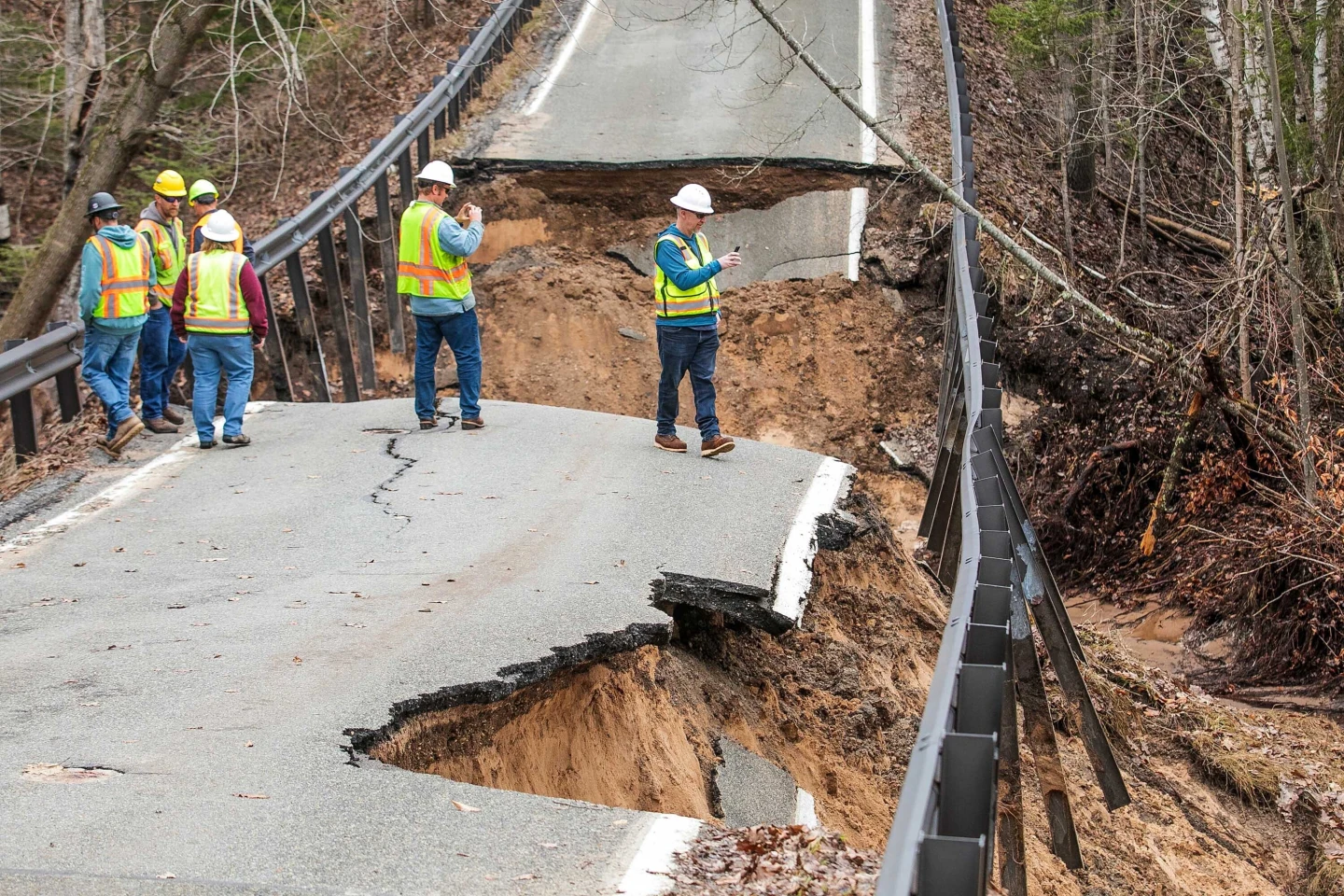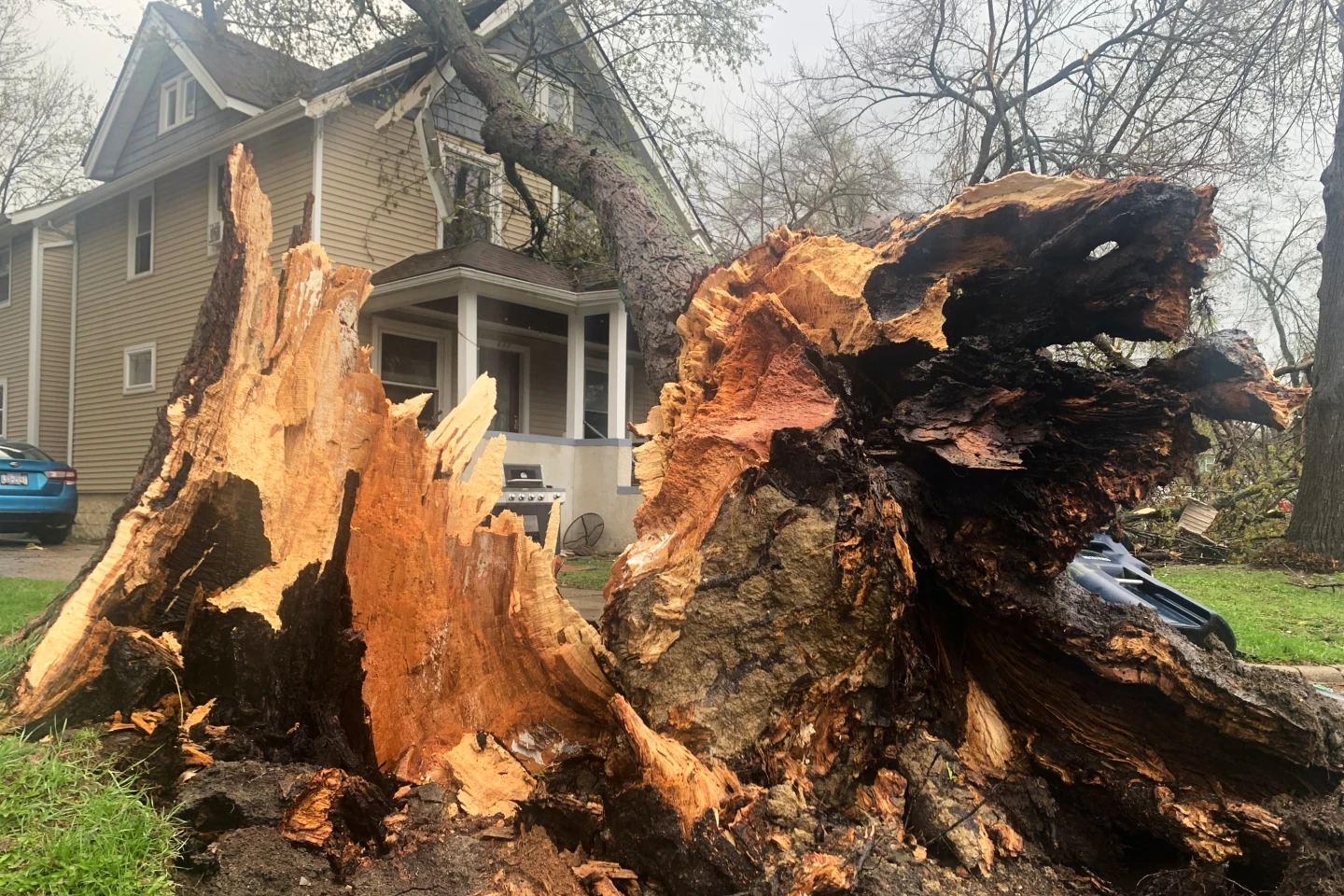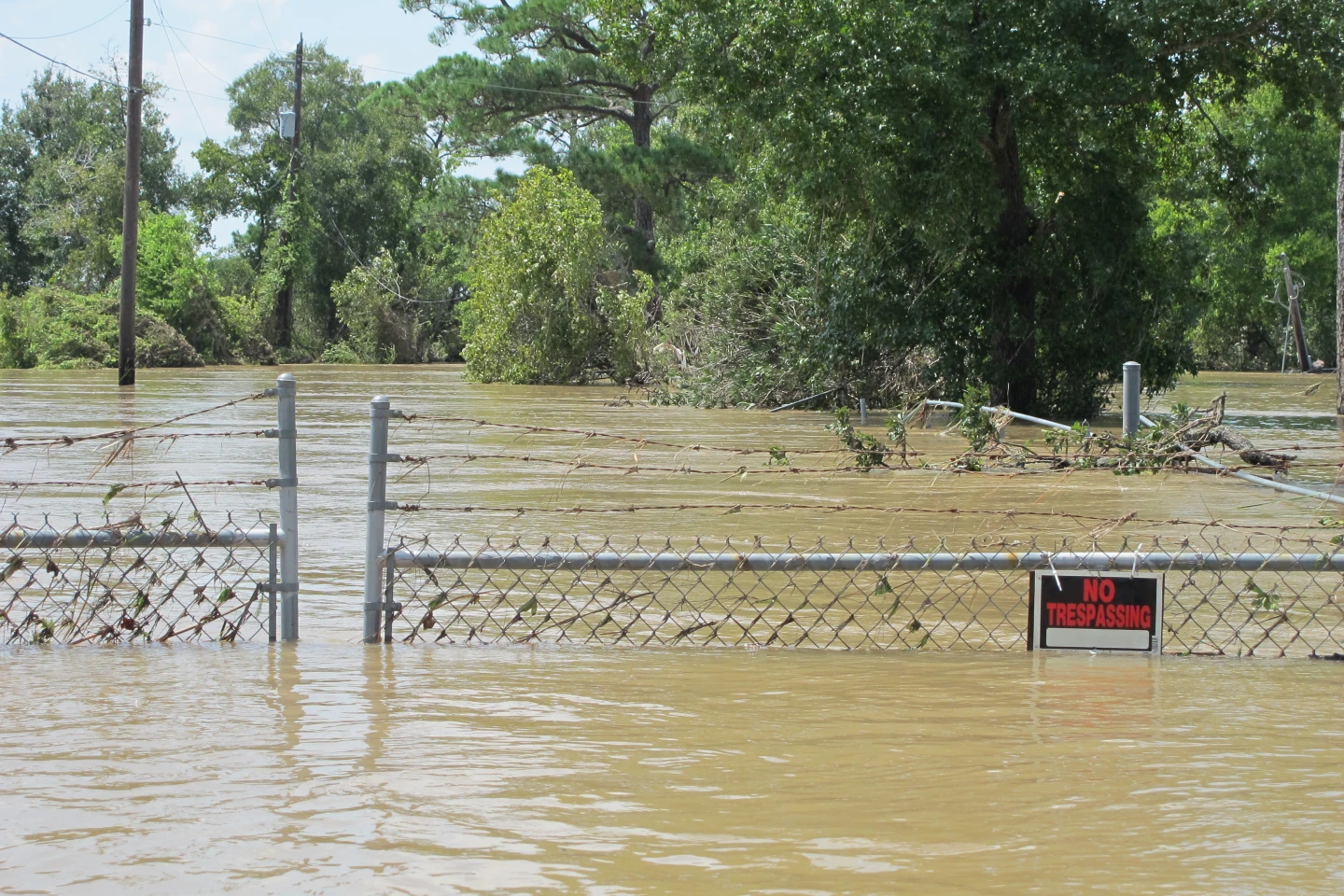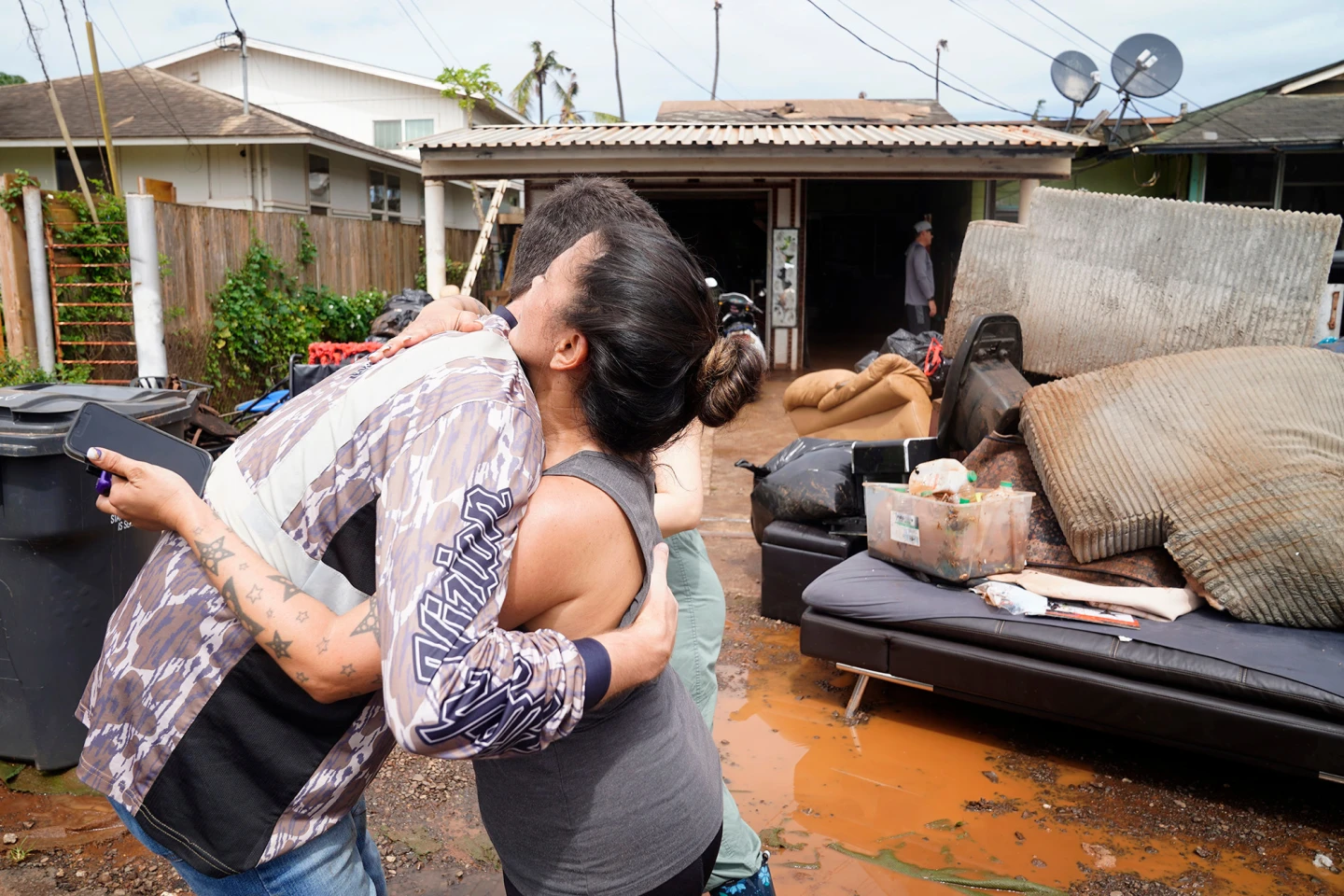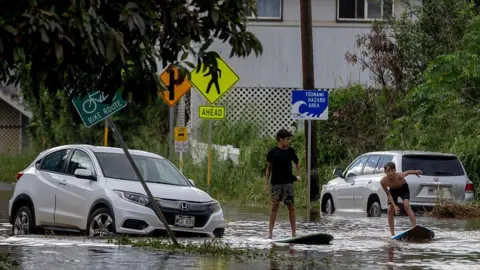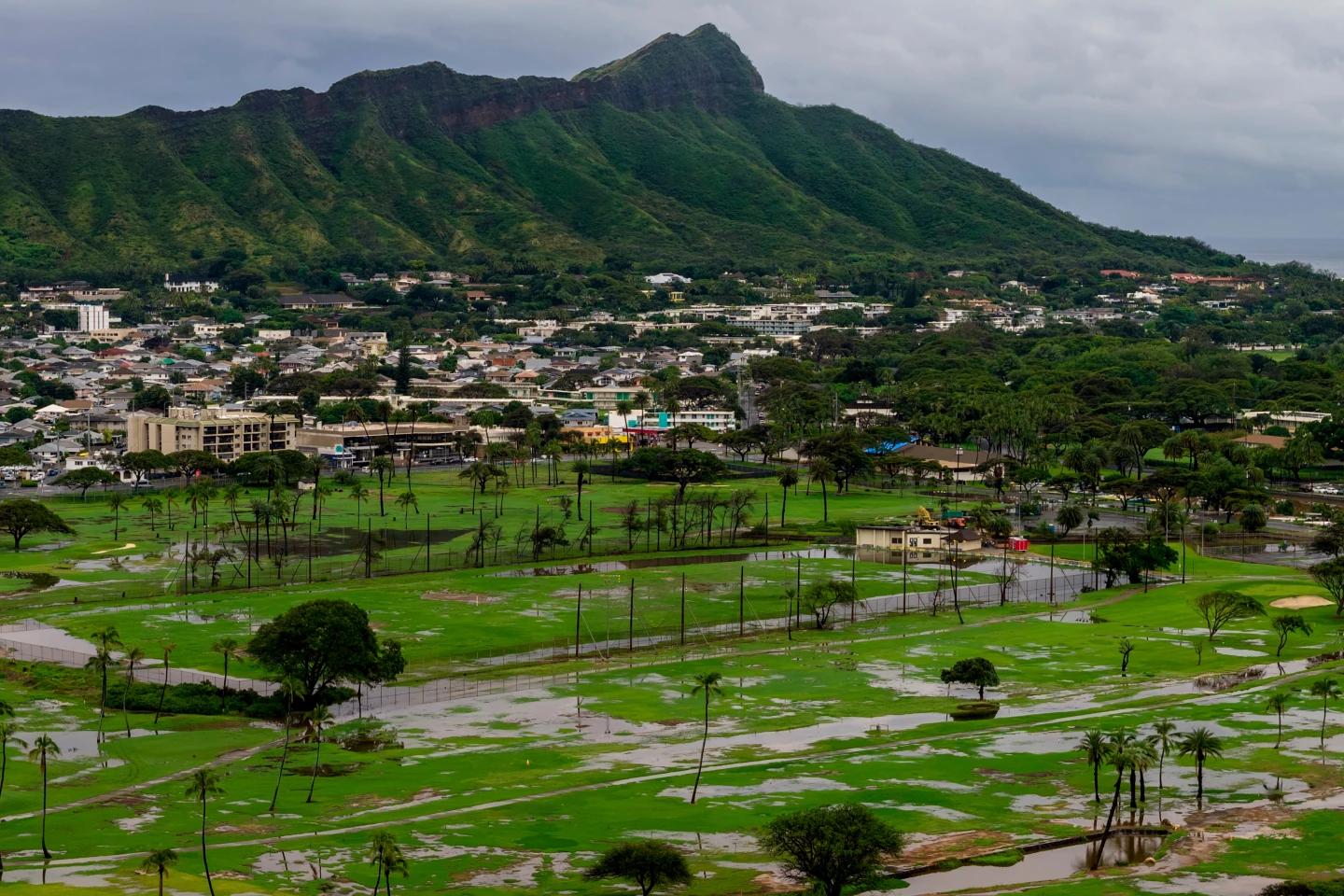
More than 2,000 residents across Hawaii were still without power as of Sunday afternoon, following a deluge of heavy rain that resulted in the worst flooding seen in over 20 years. This weather phenomenon has caused extensive property damage throughout the islands, with estimations of repair costs reaching $1 billion.
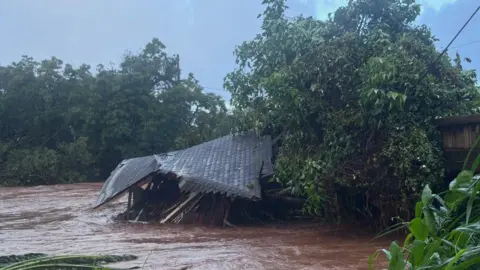
As heavy rains fell on already saturated soil from a preceding winter storm, homes and cars were swept away by raging waters. Emergency workers have been heroic in their efforts, with rescue teams saving over 200 individuals from rising waters. Fortunately, no fatalities have been reported as the situation develops, according to Molly Pierce, a spokesperson for Oahu’s Department of Emergency Management.
On Sunday, Hawaiian Electric managed to restore power to approximately 1,200 customers in Waialua, with hopes to return service for an additional 2,000 individuals later in the day. The storm previously forced officials to issue evacuation orders for 5,500 residents north of Honolulu, which have since been lifted. By Sunday afternoon, about 100 people remained without power in Maui County.
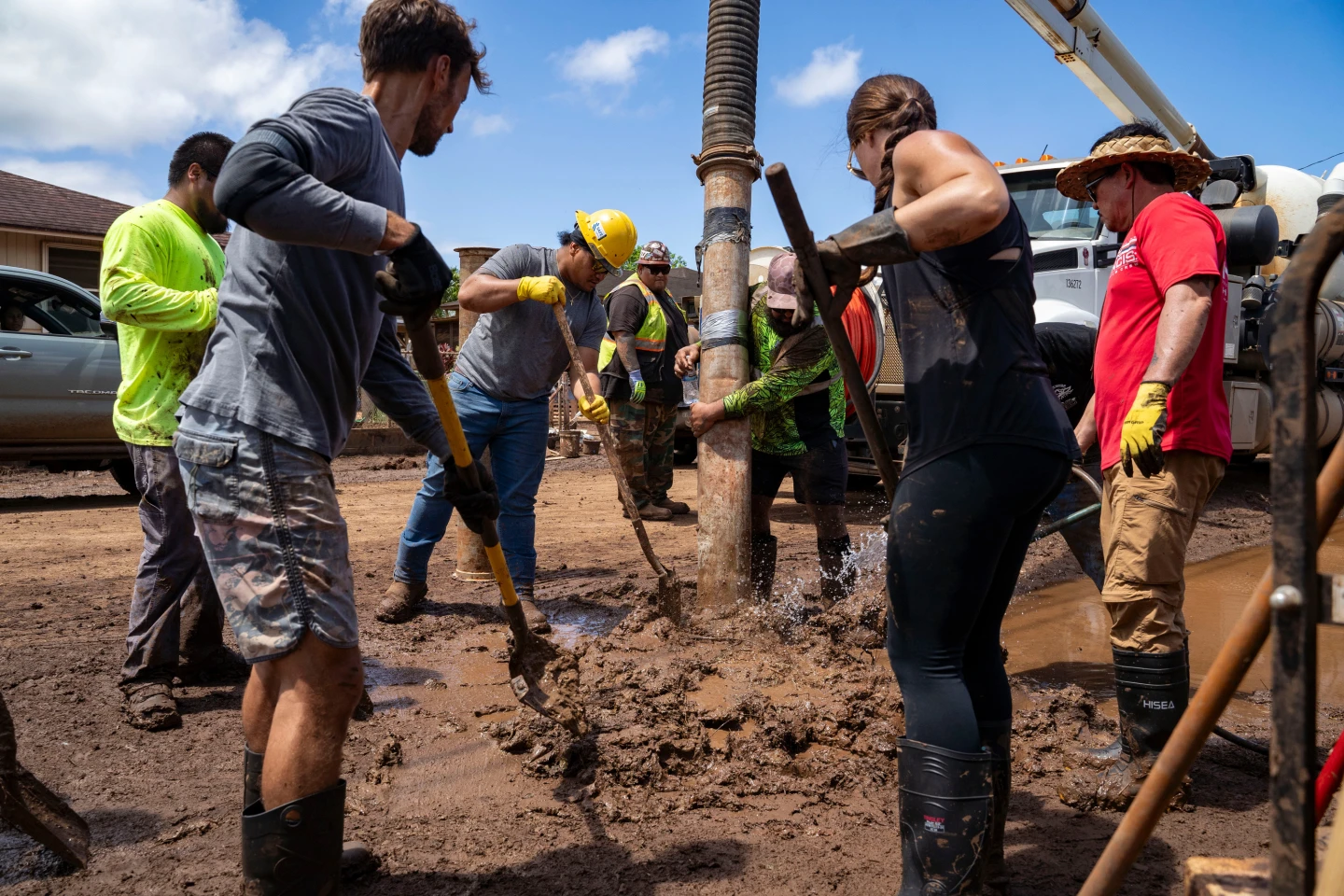
As crews work to assess the damage and make necessary repairs, meteorologists are cautiously optimistic. According to Matthew Foster, a meteorologist in Hawaii, the worst of the storms have passed. The shift in weather has seen widespread showers transition to more isolated rain patterns, relieving some for the islanders.
However, a boil water notice remains in effect for certain areas along the North Shore, particularly from Mokuleia to Turtle Bay, prompting officials to urge residents to report any damages to local authorities. Hawaii Governor Josh Green has pointed to the cost of the storm, assessing damage to infrastructure including airports, roads, homes, and medical facilities.
Worry has also been expressed regarding the stability of the 120-year-old Wahiawa dam; however, water levels have dropped sufficiently to alleviate those fears for now. Experts attribute the recent increase in heavy rains to the ongoing effects of climate change and the frequency of so-called Kona lows, intense winter storm systems characteristic of southern winds bringing moisture-laden air.