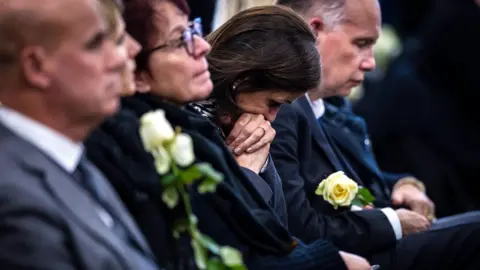
Tragedy brought people together in Crans-Montana and brought the country to a standstill.
On Friday, just down the road from the bar where 40 young people were killed by fire on New Year's Eve, church bells rang in their memory.
They tolled right across Switzerland, to mark a national day of mourning.
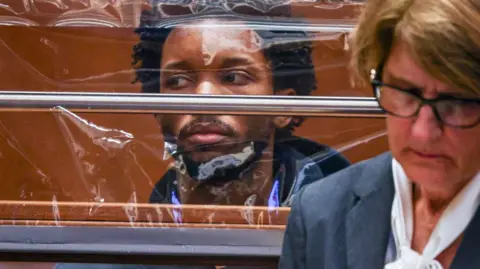
Then, moments after the last notes of a special memorial service had faded, came the news that one of the bar's owners had been detained.
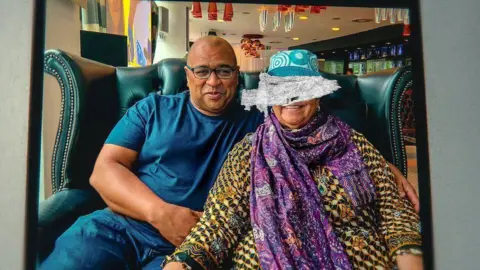
Swiss prosecutors said Jacques Moretti, a French national, was a potential flight risk. He and his wife Jessica, who is also French, are suspected of manslaughter and arson by negligence.
Many of the victims' families had demanded action like this from the start: more than a week after the fire, the anger in this community has been increasing.
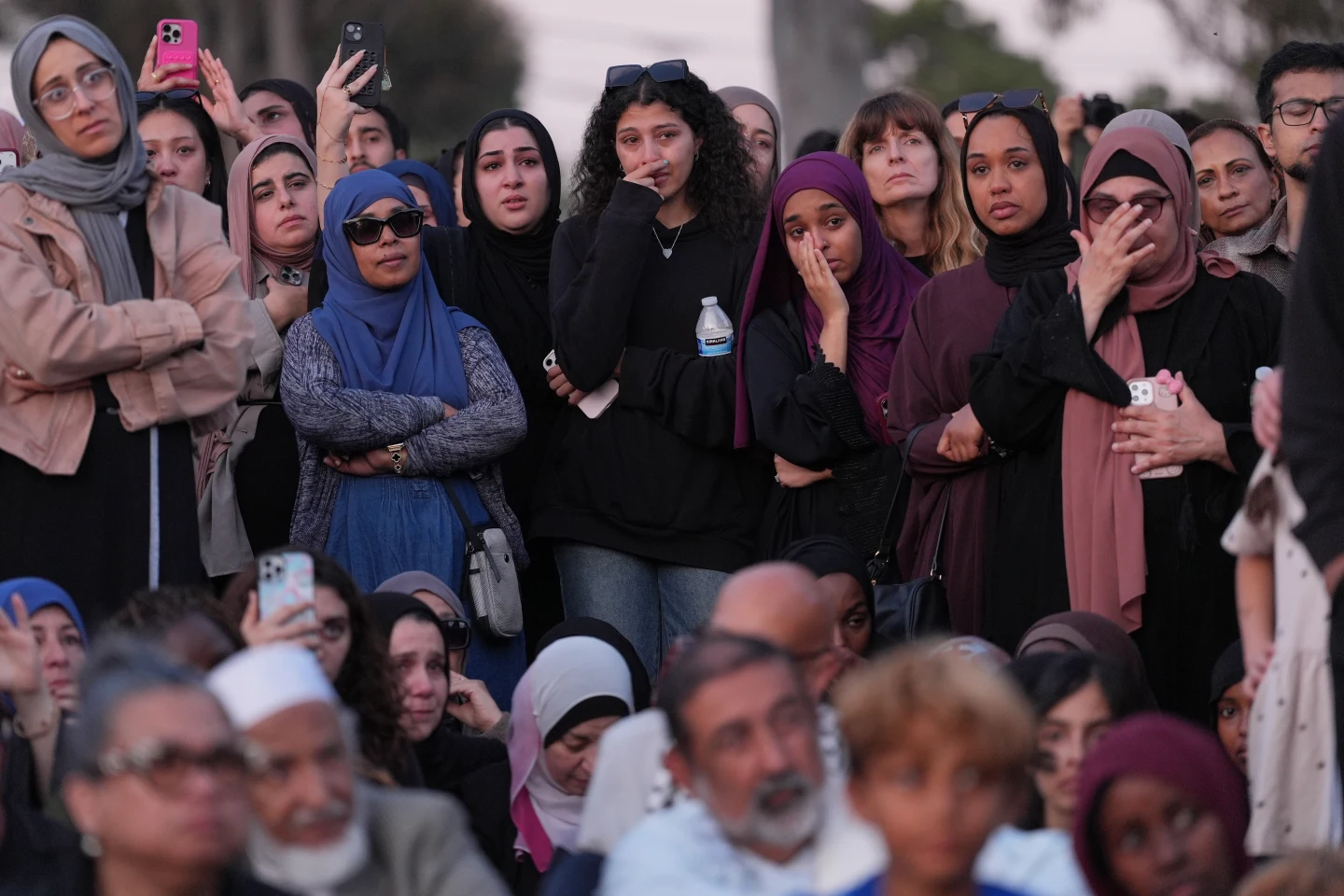
At the main ceremony in Martigny, down in the valley, relatives of the dead were joined by survivors. Some had come from hospital for the memorial. People held white roses in their laps and gripped each other's hands for support.
Marie, a young witness, described the horror: The images we faced were unbearable. A scene worse than a nightmare. Screams ringing out in the icy cold, the smell of burning. It was apocalyptic.
Listening in the front row were the presidents of France and Italy, whose citizens were among those killed and injured in the fire. Both countries have opened their own investigations.
In Crans-Montana, questions remain: how did such a disaster happen? The local authorities admitted they hadn't carried out mandatory safety checks of the bar for five years.
Mobile phone footage shows a sparkler tied to a champagne bottle apparently starting the fire as it brushes the ceiling. Covered with soundproofing foam that was never safety tested, it ignites quickly.
Survivors faced panic and crushing on the escape routes as emergency doors were reportedly blocked, exacerbating the tragedy.
Many victims remain in critical condition in specialist burns centers. Dr. Eric Bonvin, hospital director in Sion, relayed stories of profound physical and emotional trauma amongst survivors.
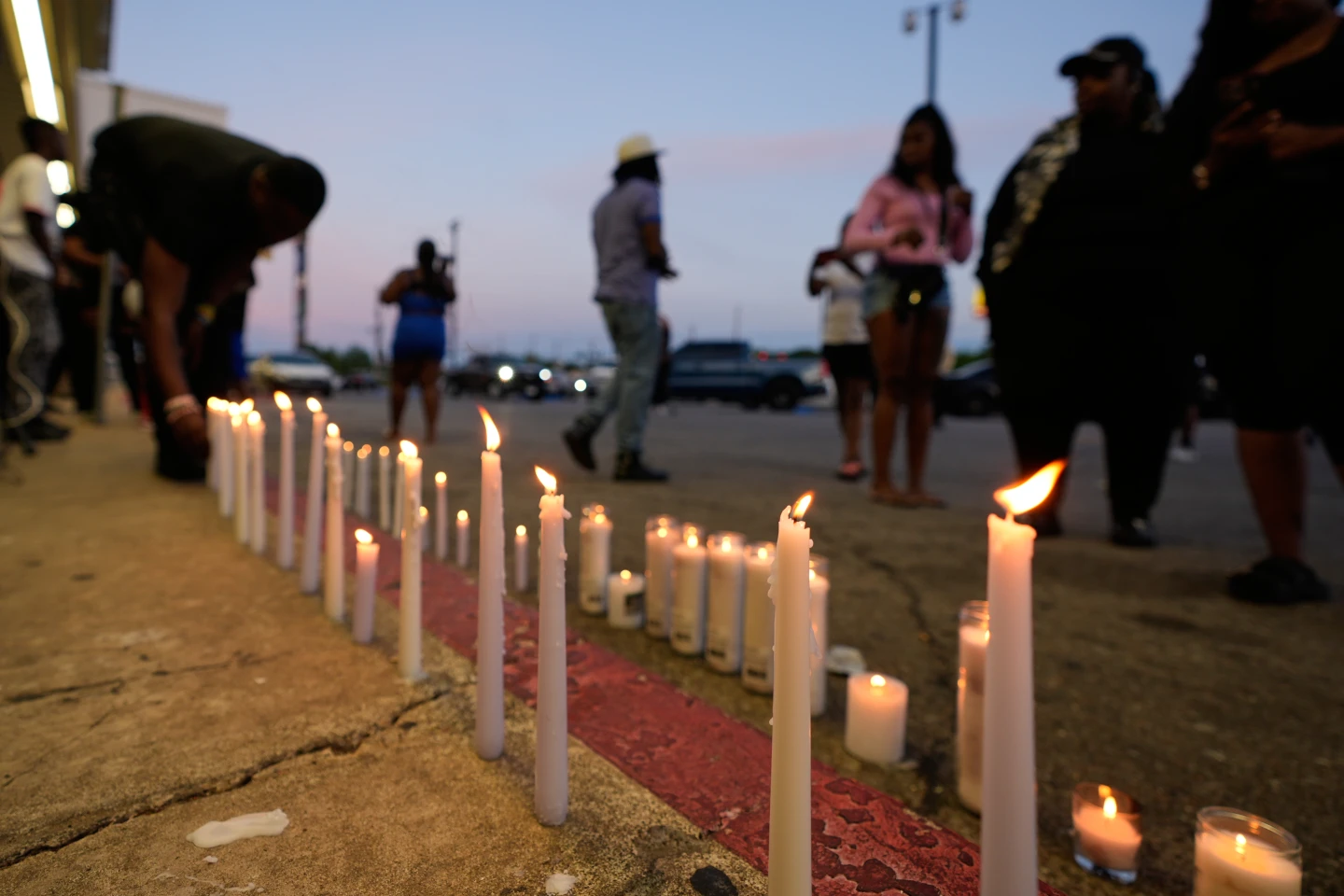
A memorial presence continues to grow in Crans-Montana, as the community grapples with grief and the pressing need for accountability.