
In brief
President Trump has temporarily suspended tariffs on Canada and Mexico following successful negotiations that yielded concessions related to border security and fentanyl trafficking. This pause allows both countries to claim political victories as they seek stability while addressing ongoing tensions with the U.S.
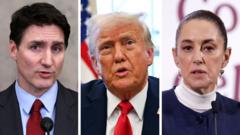
President Donald Trump has opted to delay a proposed 30-day implementation of heavy tariffs on Mexico and Canada after last-minute negotiations with the two neighboring countries. The move—prompted by a potential trade war with far-reaching economic implications—has led to statements of victory from all parties involved, with Trump highlighting enhanced border security protocols and drug trafficking measures as his administration's achievements.The high-stakes negotiations resulted in concessions that align with Trump’s “America first” stance, enabling his administration to focus on key domestic issues while averting an immediate economic crisis that threatened American consumers. The anticipated tariffs, originally targeting commodities coming from Canada and Mexico, alongside existing tariffs on Chinese goods, have generated uncertainty regarding future trade relations, as businesses remain cautious about investments amidst these developments.Canadian Prime Minister Justin Trudeau expressed relief at the temporary truce, which provides a reprieve from looming tariffs. This pause comes as Trudeau, amidst the challenges of being a lame-duck leader, prepared to bolster domestic support while addressing United States concerns over border security and drug trafficking. In December, Canada committed to C$1.3 billion in measures aimed at tackling fentanyl smuggling, which included enhanced cooperation with U.S. law enforcement and appointment of a "fentanyl tsar."Similarly, Mexican President Claudia Sheinbaum remained optimistic throughout the trade impasse, ultimately securing a commitment from Trump to address U.S. weapon trafficking into Mexico in exchange for enhanced security measures at the border. The agreements imply a strategic shift, granting Sheinbaum time to solidify her government’s stance while potentially redefining Mexico-U.S. relations moving forward.As North America holds its breath in anticipation of the outcomes from these negotiations, the delicate balance of power between the Trump administration and its northern neighbors offers a glimpse into the future handling of international trade, with tracking developments on tariffs and border security being a priority for all involved.



