In brief
Giva withdrew its Raksha Bandhan campaign after social media backlash over actress Kriti Sanon’s cropped top and cape, deemed too revealing for a traditional festival. BJP MP Kangana Ranaut used the moment to criticize the outfit, while Sanon defended her fashion choice as a matter of personal freedom. The brand apologized, citing deep respect for Indian culture, and pulled the ad from all media outlets. The incident reignites a long‑standing debate on women’s wardrobe choices, moral policing, and brands’ role in cultural celebrations.
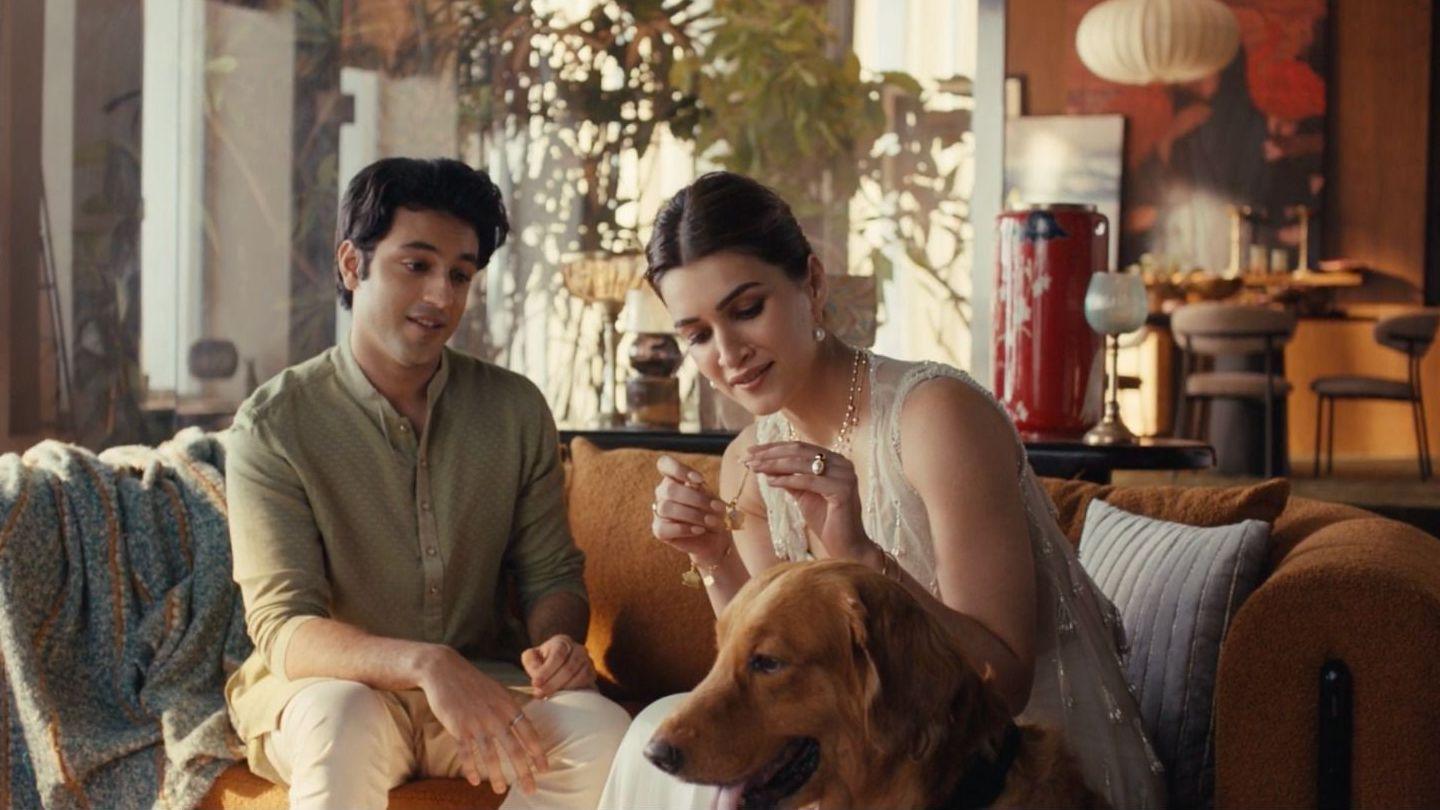
A new Raksha Bandhan campaign for jewellery brand Giva was pulled last week after a wave of criticism claimed Bollywood actress Kriti Sanon’s outfit was too revealing for a traditional celebration. The ad, which featured Sanon in a cropped top, skirt, and cape tying a Rakhi to her brother’s wrist (and a dog), was dubbed “intentionally creepy” by BJP MP Kangana Ranaut on X.
Sanon took to Instagram to defend her fashion choice, arguing that “culture and traditions are in a woman’s heart, not in her neckline,” and that the emotional core of the festival is independent of clothing. She also addressed the dog‑tie scene, stating it symbolised protection of all loved ones, including pets.
In a statement posted to Instagram, Giva said it “has the highest regard and deep respect for Indian culture, traditions and festivals.” It added that, to avoid unintentionally offending anyone, the brand had withdrawn the advertisement from all media.
The incident has reignited India’s ongoing debate about women’s dress, moral policing, and how brands might be held responsible for cultural sensitivity. Similar controversies have surfaced in the past—such as Tanishq’s 2020 ad featuring an interfaith couple, which was also withdrawn after backlash.
While some applauded Sanon’s stand against “moral policing,” others echoed Ranaut’s criticism, labeling the outfit as “too revealing for a sacred occasion.” The market’s reaction to the debate remains to be seen as brands navigate the fine line between creative expression and cultural reverence in a hyper‑connected world.