In brief
The government of Ghana has introduced fresh rules requiring every business, bank, and public institution to validate national identity cards using a biometric app scanner. The move follows widespread fraud where criminals used photocopied or visually checked cards to impersonate citizens. Organizations that fail to adopt the new technology face fines of up to 24,000 cedis, while individuals may be penalized up to 6,000 cedis. The National Identification Authority warns that using photocopies or visual checks is now an offence and urges firms to connect to the new digital verification system immediately. Public briefings on implementation are scheduled to begin in the coming days.
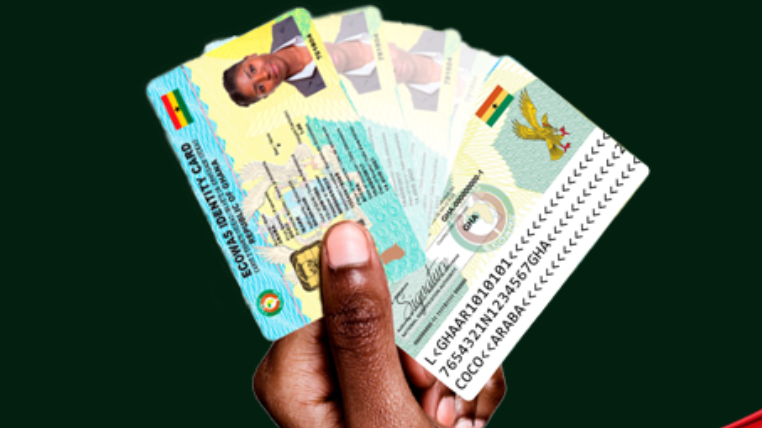
The Ghanaian government has rolled out a new set of regulations that require all businesses, banks, and public institutions to verify national identity cards by means of a biometric app scanner. The rule is intended to curb fraudulent use of IDs and strengthen security across the country.
Until now, many entities only visually checked cards or kept their photocopies on file. Such practices allowed criminals to easily impersonate individuals and carry out fraud. With the updated regulations, the practice of photocopying or visual inspection for transaction purposes is now illegal.
Under the new policy, organisations that persist in using outdated methods will face fines of up to 24,000 Ghanaian cedis (roughly $2,100). Individuals caught using photocopies may be penalised up to 6,000 cedis (about $525). The National Identification Authority (NIA) says that biometric verification is now mandatory for every transaction involving an ID card.
To comply, businesses that have not yet integrated the NIA digital identity verification app must begin the onboarding process immediately. Officials will soon hold public briefings to explain the rollout and answer questions about compliance.
Photocopies and visual checks of ID cards have long been the weak link in Ghana’s national identity scheme. The new sanctions are expected to raise the stakes, ensuring that the country’s biometric data—fingerprints, iris scans, photographs, and signatures—remains tightly controlled.