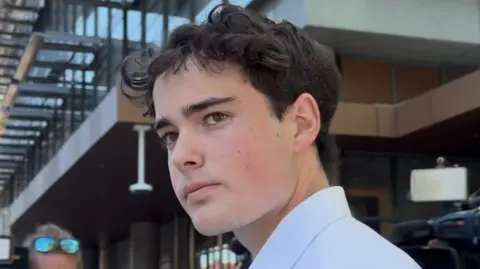
The unfolding scandal involving Collien Fernandes, a prominent TV personality in Germany, has captivated the nation following her allegations that her ex-husband, Christian Ulmen, spread deepfake pornography of her online. During a large demonstration in Hamburg, Fernandes emotionally addressed supporters, revealing the impact of the ordeal on her life, including wearing a bulletproof vest due to death threats. Her revelations, published in Der Spiegel, have triggered calls for legal reform and promises from government officials to tighten laws against non-consensual sexualized deepfakes.
The accusations by Fernandes entail not only personal trauma but signify a broader issue of digital abuse. With the backing of more than 250 public figures, including politicians and cultural icons, there are increasing demands for legislation explicitly criminalizing the production and distribution of deepfake pornography. Legal experts and advocates argue that existing laws do not adequately protect individuals from such forms of abuse, particularly regarding online rights.
Ulmen, however, has vehemently denied the allegations against him, stating through his legal representatives that he has not produced or distributed any inappropriate content. His lawyers assert that the claims made by Fernandes are unfounded and entangled in a complex personal dispute. Both parties are now entrenched in legal battles, complicating the public narrative.
Fernandes has filed a complaint in Spain, citing stronger protections against gender-based violence than in her home country, and her plight has prompted federal figures to consider changes in policies surrounding digital rights.
As discussions continue, the case underscores vital gaps in criminal law relating to technology and personal rights, raising questions about how society can better protect individuals from digital harassment and abuse.
The accusations by Fernandes entail not only personal trauma but signify a broader issue of digital abuse. With the backing of more than 250 public figures, including politicians and cultural icons, there are increasing demands for legislation explicitly criminalizing the production and distribution of deepfake pornography. Legal experts and advocates argue that existing laws do not adequately protect individuals from such forms of abuse, particularly regarding online rights.
Ulmen, however, has vehemently denied the allegations against him, stating through his legal representatives that he has not produced or distributed any inappropriate content. His lawyers assert that the claims made by Fernandes are unfounded and entangled in a complex personal dispute. Both parties are now entrenched in legal battles, complicating the public narrative.
Fernandes has filed a complaint in Spain, citing stronger protections against gender-based violence than in her home country, and her plight has prompted federal figures to consider changes in policies surrounding digital rights.
As discussions continue, the case underscores vital gaps in criminal law relating to technology and personal rights, raising questions about how society can better protect individuals from digital harassment and abuse.