In brief
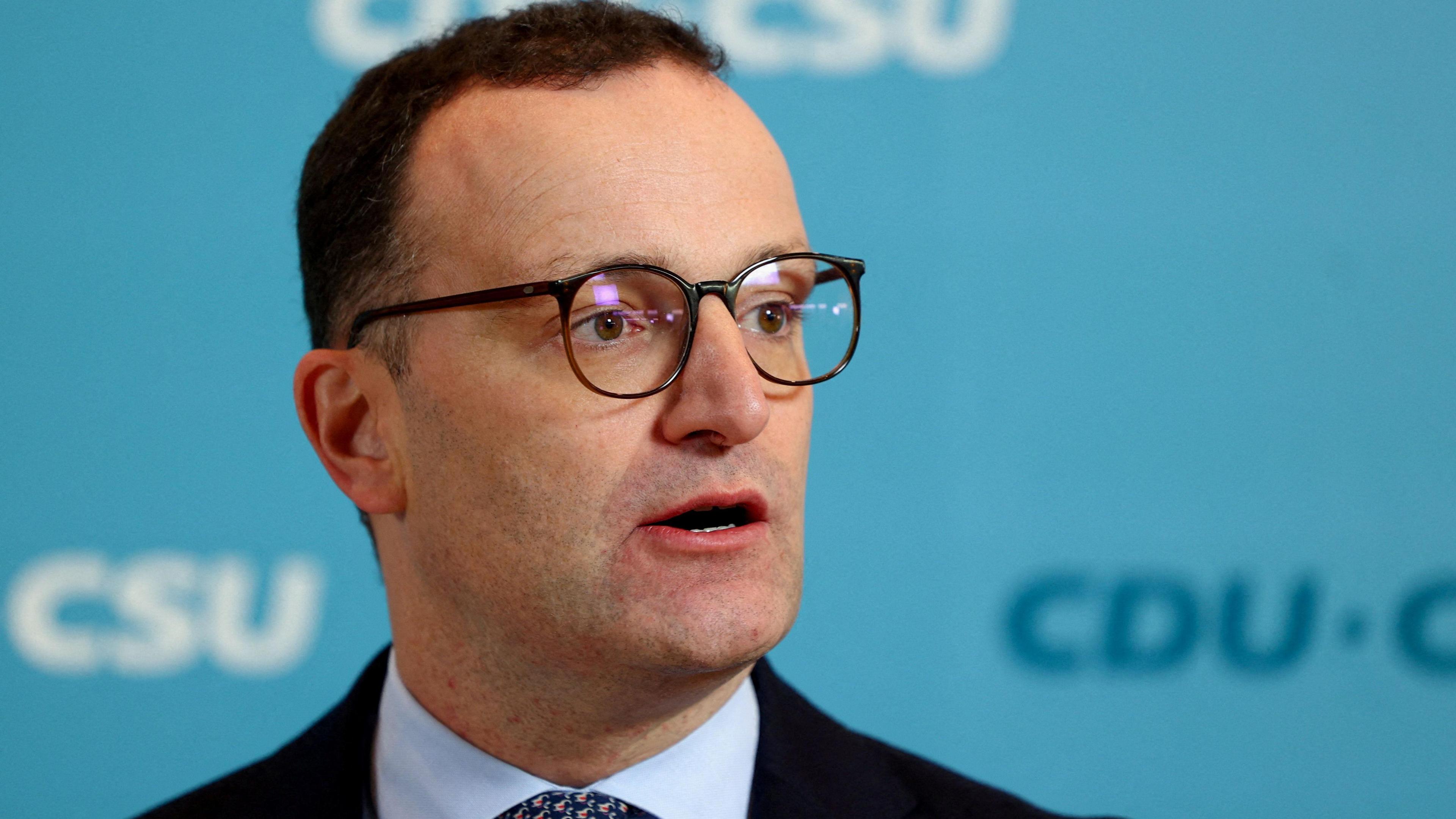
Former health secretary Jens Spahn announced his resignation from the parliamentary group leader position after lawmakers and the public questioned his use of a surrogate mother abroad to have a child. Surrogacy is illegal in Germany, yet the procedure is still allowed for children born overseas, a loophole that attracted sharp criticism. CDU leader Friedrich Merz praised Spahn’s decision and began appointing a successor, while the scandal threatens to undermine the party’s standing ahead of regional elections. The case underscores a broader European debate on surrogacy laws and their social and political implications.
Jens Spahn, a 46‑year‑old centre‑right politician, stepped down as parliamentary group leader of Germany’s governing coalition on Monday. The resignation followed intense scrutiny of his decision to use a surrogate mother in the United States to bring a child into his family with his husband, Daniel Funke.
Surrogacy is outlawed in Germany, a position the Christian‑Democratic Union (CDU) and Spahn himself have long supported. However, the law does not prohibit the import of children born via surrogacy abroad, a loophole that Spahn exploited. The move has led to accusations of hypocrisy, especially given his past statements as health minister that he opposed any relaxation of the ban.
In a statement released Saturday, Spahn said, "I have realised that my personal happiness – founding a family together with my husband and becoming a father – is not compatible with my political office." CDU leader Friedrich Merz welcomed the decision, calling it "right" and "inevitable" while stressing that "credibility is the highest asset in politics." Merz also announced that he would start the search for a replacement.
The controversy comes at a critical moment for the CDU, which faces dwindling poll numbers and the threat of far‑right gains in regional elections. Political analysis suggests that the scandal could further erode public trust in the party, especially in states where the Alternative for Germany (AfD) is poised to gain traction.
Spahn’s situation reflects a broader European debate on surrogacy. Nations such as France, Spain and Italy also prohibit the practice, though France’s recent court ruling acknowledged children born abroad to a surrogate as legal heirs of the intended parents.
The case highlights the tension between personal family choices and public policy positions. As Germany grapples with reproductive justice and political accountability, the former health minister’s departure may signal a shift in the party’s approach to surrogacy and related social issues.