Fujisawa Faces Identity Crisis as Town Plans Japan’s First Mosque
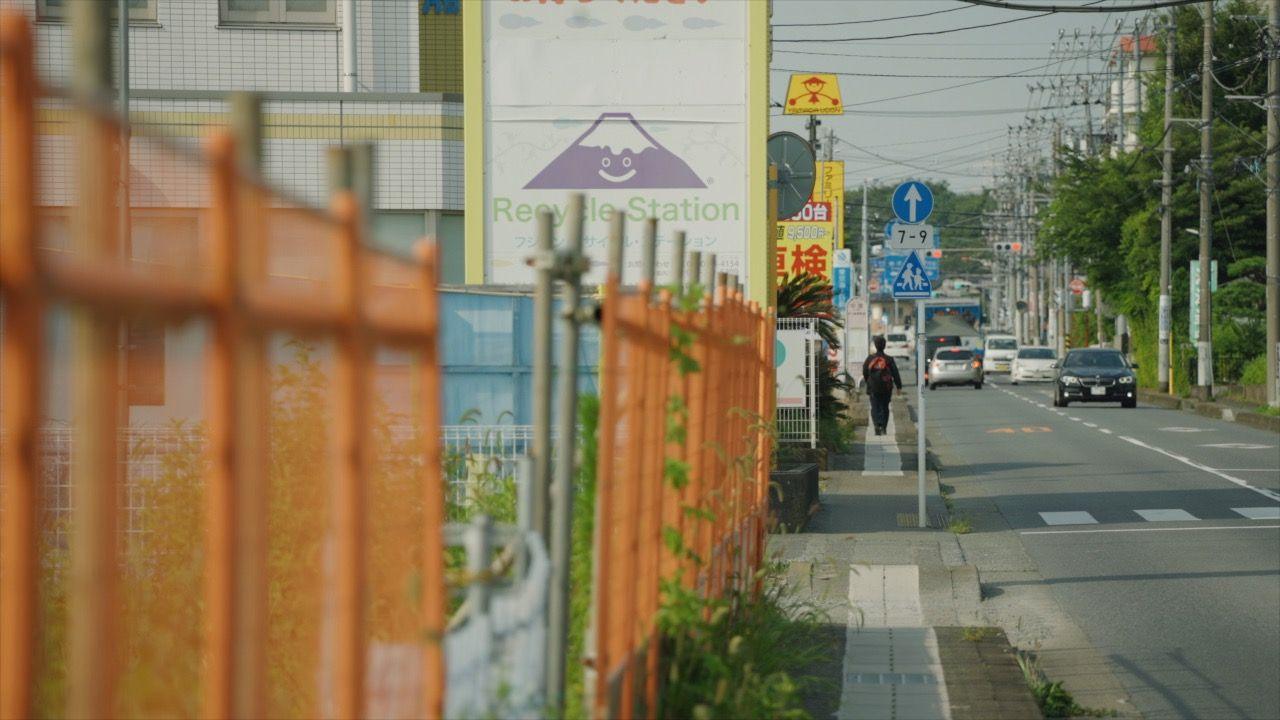
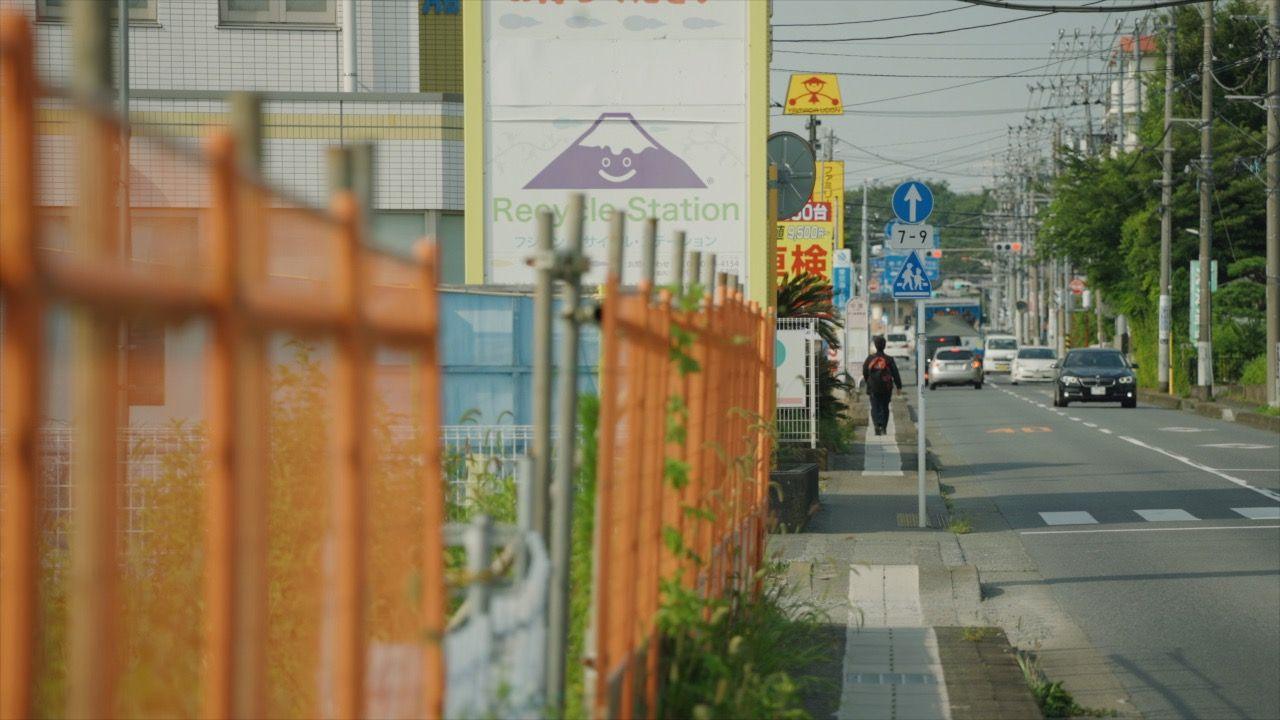
For now, the site of the planned mosque is a green field, but soon it will become the town’s very first Islamic place of worship. In Fujisawa, a quiet seaside suburb about an hour south of Tokyo, residents are divided between hope for a new cultural landmark and a deep‑seated fear that the construction will alter their community.
“I worry about how our community might change,” says long‑time resident Noriko Izumizawa. Her concerns echo those of many villagers who see the mosque as a symbol of the immigration wave that’s reshaping Japan.
The debate in Fujisawa mirrors a country‑wide struggle over identity. Japan’s aging population has led the government to recruit foreign workers, bringing Muslim communities to the country in larger numbers than before. In 2024, the Muslim population rose to roughly 420,000 – a dramatic increase from 230,000 the previous five years.
The rising numbers have triggered a wave of backlash. Earlier this year, anti‑mosque protests erupted at the local train station, with thousands chanting their opposition. Protesters argue that a mosque larger than the nearby Shinto shrine shows disrespect for “our culture.”
The backlash has spilled onto social media, with hate speech and misinformation spreading online. Local outlets report abusive phone calls and emails directed at mosques, prompting some anti‑hate groups to organise counter‑protests in support of tolerance.
Hiroki Suzuka, who owns a coffee shop opposite the future mosque site, calls for greater understanding. “I’m not opposed but I’m not strongly in favour either,” he says. “The first step is to learn about Islam, the people who practice it, and the values they hold. It begins with having an open mind and a desire to understand each other.”
In Osaka, Mohamed Mohideen – a 39‑year‑old businessman from Sri Lanka – shares that he has faced increasing hostility. “On social media there’s a lot of ‘Get out of Japan’ comments, and some people come to our mosque shouting abuse,” he says. Yet he still attends prayers daily, believing in calm and courteous dialogue to bridge the gap.
Saitama’s Shakeel Mohamed – a 61‑year‑old ex‑construction supervisor originally from Pakistan – emphasises Japan’s rules and courtesy. “We follow proper waste disposal, parking laws, helmet wearing, and greet others politely,” he says. He notes that local residents sometimes nickname the Pakistani community as “Yashio‑stan,” but insists that both communities have respectable minorities.
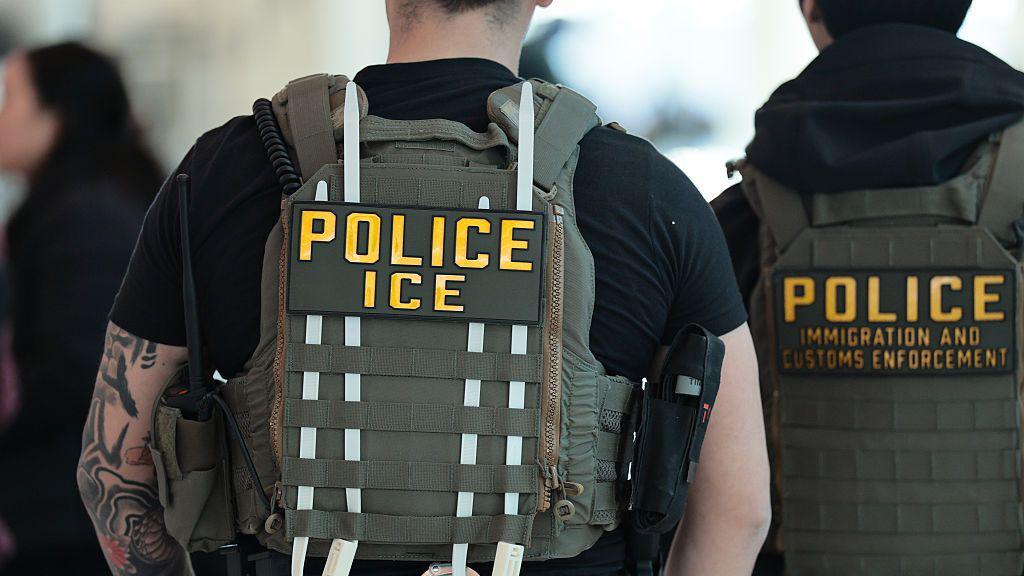
Japan’s leadership remains mixed. Prime Minister Sanae Takaichi has approved proposals to raise visa fees five‑fold, although authorities plan to add 230 new immigration officers this year. The government claims it seeks to preserve national identity while addressing shortages in labour.
Fujisawa residents like Izumizawa admit they’ve never had a negative experience with a Muslim neighbour, but fear stems from the unknown. “Maybe I just fear the unknown,” she concedes. The struggle in Fujisawa is a microcosm of Japan’s broader debate: can the nation embrace diversity while preserving cohesion and a shared sense of identity?