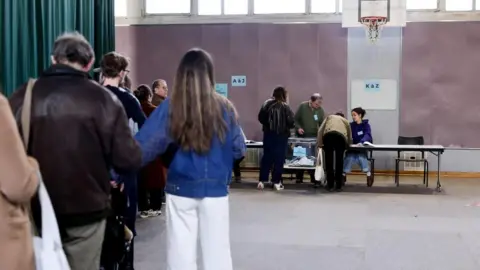
The emerging strength of the far left and far right is creating awkward choices for mainstream parties after the first round of French mayoral elections. In many big towns and cities, Socialists and centre-right Republicans are tempted to make electoral pacts on their outside flanks to beat the opposition in next Sunday's run-off. However, alliances with the National Rally (RN) on the far right or France Unbowed (LFI) on the far left carry significant risks alongside potential rewards.
Take Marseille; the incumbent Socialist Mayor, Benoît Payan, is only slightly ahead of RN candidate Franck Allisio, with two other candidates also poised for the second round: the Republicans' Martine Vassal and LFI's Sébastien Delogu. This raises critical questions—should the Socialists join forces with LFI to secure Payan’s position? Should Vassal align with RN to counter the left?
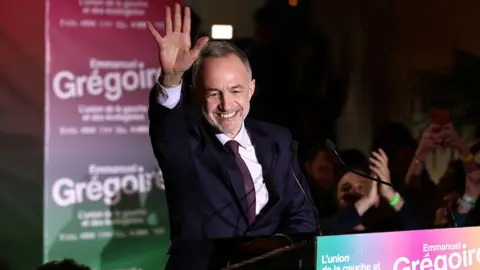
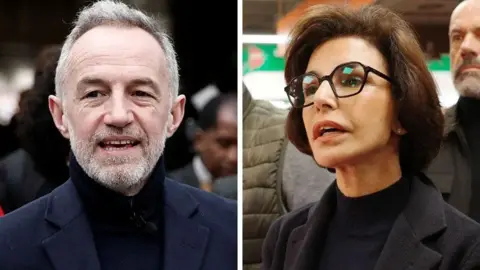
While electoral arrangements seem pragmatic, they could damage the parties’ reputations if they ally with groups they usually denounce. In Paris, Emmanuel Grégoire of the Socialist Party performed well in the first round, yet he faces LFI's Sophia Chikirou in the second round—Grégoire has ruled out any pact with LFI, which might jeopardize his chances of winning.
The dynamics have shifted beyond traditional right-wing dilemmas. Previously, the RN was seen as untouchable, complicating center-right collaborations. This year, however, the exclusion of LFI has become a distinct element of French political discourse. Under Jean-Luc Mélenchon, LFI had formed a coalition with the PS, Greens, and Communists for a robust showing in the last legislative elections; however, ongoing tensions have disrupted that alliance.
Factors contributing to the current hostility include controversies involving LFI linked to the murder of a nationalist student and Mélenchon's perceived antisemitic comments, complicating the prospect of formal alliances. Though Olivier Faure, PS leader, ruled out nationwide pacts with LFI, he did not eliminate local arrangements, as evidenced by emerging collaborations in cities like Toulouse.
This complex political climate is bringing accusations of hypocrisy to the right, and an increasingly fractious environment is starting to overshadow the coming presidential elections. With dynamics driven by fringe party dynamics, the implications for mainstream political parties in France are profound.
Take Marseille; the incumbent Socialist Mayor, Benoît Payan, is only slightly ahead of RN candidate Franck Allisio, with two other candidates also poised for the second round: the Republicans' Martine Vassal and LFI's Sébastien Delogu. This raises critical questions—should the Socialists join forces with LFI to secure Payan’s position? Should Vassal align with RN to counter the left?
While electoral arrangements seem pragmatic, they could damage the parties’ reputations if they ally with groups they usually denounce. In Paris, Emmanuel Grégoire of the Socialist Party performed well in the first round, yet he faces LFI's Sophia Chikirou in the second round—Grégoire has ruled out any pact with LFI, which might jeopardize his chances of winning.
The dynamics have shifted beyond traditional right-wing dilemmas. Previously, the RN was seen as untouchable, complicating center-right collaborations. This year, however, the exclusion of LFI has become a distinct element of French political discourse. Under Jean-Luc Mélenchon, LFI had formed a coalition with the PS, Greens, and Communists for a robust showing in the last legislative elections; however, ongoing tensions have disrupted that alliance.
Factors contributing to the current hostility include controversies involving LFI linked to the murder of a nationalist student and Mélenchon's perceived antisemitic comments, complicating the prospect of formal alliances. Though Olivier Faure, PS leader, ruled out nationwide pacts with LFI, he did not eliminate local arrangements, as evidenced by emerging collaborations in cities like Toulouse.
This complex political climate is bringing accusations of hypocrisy to the right, and an increasingly fractious environment is starting to overshadow the coming presidential elections. With dynamics driven by fringe party dynamics, the implications for mainstream political parties in France are profound.