In brief
As the Sudanese Armed Forces regain control of the presidential palace, the future of the capital and the trajectory of the prolonged conflict remain in question.
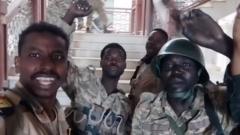
The Sudanese Armed Forces (SAF) celebrated a significant victory in Khartoum, marking a pivotal moment in their campaign against the paramilitary Rapid Support Forces (RSF). After losing control of the capital early in the two-year conflict, the military has now retaken the presidential palace, a symbol of authority and national sovereignty. This development is crucial for the military-led government's narrative of combating what they deem a "terrorist militia."Strategically, the army has managed to reclaim much of the city center and has successfully pushed RSF fighters away from government structures and the military's General Headquarters. Although the RSF still maintains a presence in Khartoum, their control appears to be diminishing. Despite defensive setbacks, the RSF demonstrated resilience by launching retaliatory drone attacks against the palace, resulting in casualties among journalists and military personnel.The ongoing confrontation raises questions about the war's future. Full control of Khartoum could enhance the army’s strength across central Sudan and present opportunities to confront General Hemedti's RSF in their Darfur stronghold, particularly in the besieged city of El Fasher. Nevertheless, experts caution that the conflict may escalate toward a de-facto division of the country, with both factions establishing turf and influence.The RSF has been actively forming a shadow government in regions under its control, showcasing its lingering ambition despite military setbacks. The World Health Organization (WHO) has reported a humanitarian crisis of unprecedented scale, with over 12 million displaced individuals. The ongoing violence and humanitarian neglect have exacerbated an already dire situation in regions like Khartoum, which is teetering on the brink of famine due to looting and aid restrictions.While the recapture of the Presidential Palace heralds a shift in the military's fortunes, it’s unlikely to change the broader dynamics of the war or instill a sense of stability in Sudan. With both sides accused of war crimes and obstructing humanitarian assistance, the future remains grim for ordinary Sudanese civilians. As the conflict shows no sign of abating, the urgency for dialogue and resolutions remains critical, though peace efforts have thus far been met with failure.