A California jury has tossed out Elon Musk's high-profile lawsuit against OpenAI and its boss Sam Altman. In a unanimous verdict, the jury agreed that Musk had waited too long to file his lawsuit, leaving all of his claims essentially expired. Musk had accused Altman of breaching a non-profit contract by shifting the ChatGPT-maker to a for-profit company after Musk donated $38m (£28.5m) early in OpenAI's history.
Musk claimed Altman had deceived him by accepting his money and then reneging on OpenAI's original non-profit mission to develop artificial intelligence (AI) technology for the benefit of humanity.
Jurors spent just about two hours on Monday deliberating on the case, but they had spent three weeks viewing internal correspondence and hearing testimony from Musk, Altman, and other tech industry executives, such as Microsoft's chief executive Satya Nadella. Musk had accused Microsoft of aiding and abetting OpenAI in its allegedly improper transition to a more for-profit company.
Musk's other claims against Microsoft were dismissed as a matter of law given the jury's findings on the two claims against OpenAI. A spokesperson for Microsoft said of the verdict: The facts and the timeline in this case have long been clear, adding that the company remained committed to its work with OpenAI.
The jury's decision adds to a string of recent losses and settlements for Musk in court. Within a few hours of the verdict, Musk criticized the decision against him in the OpenAI case, writing on X that it created a free license to loot charities if you can keep the looting quiet for a few years! He also accused the judge overseeing the case of being a terrible activist who used the jury as a fig leaf.
In another post to X, Musk vowed to file an appeal, claiming that the jury did not decide on the merits of the case and that the decision was based on a calendar technicality. As the jury found that the statute of limitations had lapsed for Musk's claims of breach of charitable trust and unjust enrichment, the jury was not required to consider the merits of his claims.
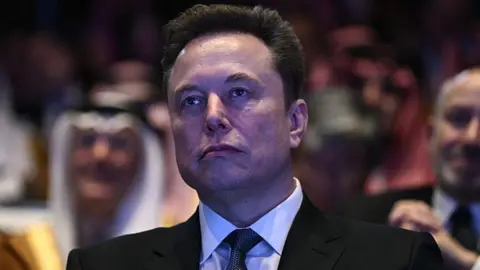
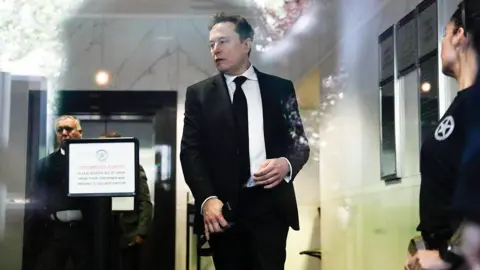
Carl Tobias, a law professor at the University of Richmond School of Law, noted that the jurors had made a very fact-based decision about the case. On the trial's first day, Musk took the stand wearing a dark suit and tie and emphasized that his case was about protecting charitable giving, stating, It's not OK to steal a charity... If it's okay to loot a charity, the entire foundation of charitable giving will be destroyed.
In response to the lawsuit, Altman testified that Musk supported OpenAI transitioning to a for-profit model and even sought control over it. The lawsuit underscores the deepening animosity between Musk and Altman, which has been evident since Musk left the organization in 2018 after being denied control.
After the verdict, Sam Singer, a spokesman for OpenAI, declared it a tremendous victory and emphasized it was an attempt by Musk to slow down a competitor. Lawyer William Savitt, who represented OpenAI, argued Musk's claims were baseless and stated the jury recognized Musk's falsehoods during testimony.
Looking ahead, Musk's legal team signaled their intent to appeal, indicating that this legal battle may continue for some time.
Musk claimed Altman had deceived him by accepting his money and then reneging on OpenAI's original non-profit mission to develop artificial intelligence (AI) technology for the benefit of humanity.
Jurors spent just about two hours on Monday deliberating on the case, but they had spent three weeks viewing internal correspondence and hearing testimony from Musk, Altman, and other tech industry executives, such as Microsoft's chief executive Satya Nadella. Musk had accused Microsoft of aiding and abetting OpenAI in its allegedly improper transition to a more for-profit company.
Musk's other claims against Microsoft were dismissed as a matter of law given the jury's findings on the two claims against OpenAI. A spokesperson for Microsoft said of the verdict: The facts and the timeline in this case have long been clear, adding that the company remained committed to its work with OpenAI.
The jury's decision adds to a string of recent losses and settlements for Musk in court. Within a few hours of the verdict, Musk criticized the decision against him in the OpenAI case, writing on X that it created a free license to loot charities if you can keep the looting quiet for a few years! He also accused the judge overseeing the case of being a terrible activist who used the jury as a fig leaf.
In another post to X, Musk vowed to file an appeal, claiming that the jury did not decide on the merits of the case and that the decision was based on a calendar technicality. As the jury found that the statute of limitations had lapsed for Musk's claims of breach of charitable trust and unjust enrichment, the jury was not required to consider the merits of his claims.
Carl Tobias, a law professor at the University of Richmond School of Law, noted that the jurors had made a very fact-based decision about the case. On the trial's first day, Musk took the stand wearing a dark suit and tie and emphasized that his case was about protecting charitable giving, stating, It's not OK to steal a charity... If it's okay to loot a charity, the entire foundation of charitable giving will be destroyed.
In response to the lawsuit, Altman testified that Musk supported OpenAI transitioning to a for-profit model and even sought control over it. The lawsuit underscores the deepening animosity between Musk and Altman, which has been evident since Musk left the organization in 2018 after being denied control.
After the verdict, Sam Singer, a spokesman for OpenAI, declared it a tremendous victory and emphasized it was an attempt by Musk to slow down a competitor. Lawyer William Savitt, who represented OpenAI, argued Musk's claims were baseless and stated the jury recognized Musk's falsehoods during testimony.
Looking ahead, Musk's legal team signaled their intent to appeal, indicating that this legal battle may continue for some time.