In brief
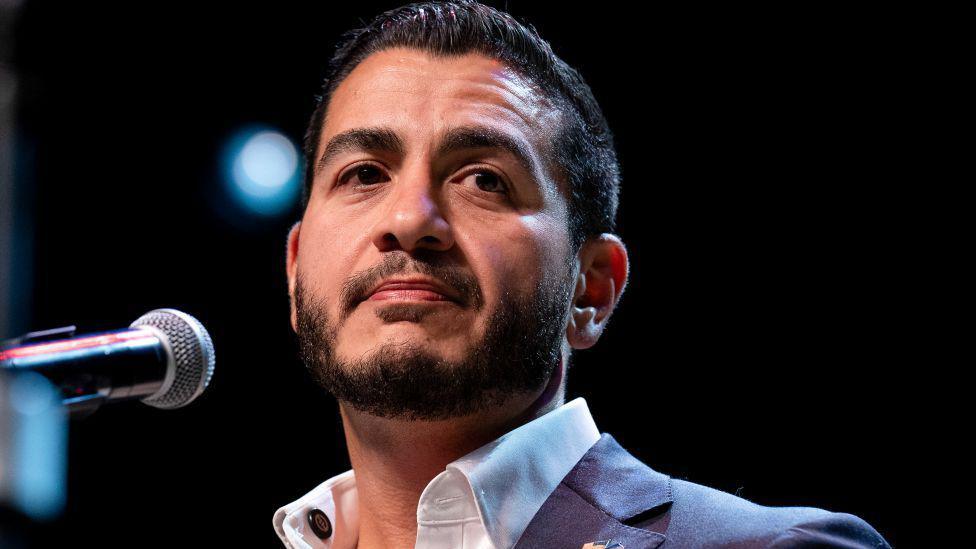
Abdul El‑Sayed’s win in Michigan’s contentious Democratic Senate primary has rattled party leadership across the country. The former health commissioner, backed by Bernie Sanders and Elizabeth Warren, beat the AIPAC‑heavy Haley Stevens in a close race that eroded the campaign’s financial advantage. The victory raises questions about whether an unabashedly left‑wing candidate can win in a swing state and tests the party’s willingness to embrace an insurgent agenda. Meanwhile, other primary outcomes show pro‑Israel Democrats losing footing in Michigan, voters rejecting Republican‑pushed ballot measures in the Midwest, and Trump’s endorsement still influencing GOP primaries.
The results of Michigan’s Democratic Senate primary, delivered by former state health commissioner Abdul El‑Sayed, are already being felt in the halls of power across Washington, D.C. and beyond. The triumph of a left‑wing outsider over a Don‑Aipac‑backed candidate, who out‑spending the fight, underlines a growing discontent with the party establishment.
1) A new left‑wing warrior
El‑Sayed captured the support of progressive voters by championing government‑funded health insurance, lower drug prices, higher taxes on the wealthy and campaign finance reform. Sum‑up his message: “money out of politics, money in your pocket.” His victory stands in stark contrast to the Senate’s historically conservative leanings, raising doubts about his ability to appeal to swing‑state voters in the general election.
2) Some pro‑Israel Democrats had a bad night
The loss of AIPAC‑powered Haley Stevens and other pro‑Israel incumbents points to a backlash among Michigan Democratic voters toward targeted support for Israel. The swing has also been reflected in other straight‑tack, left‑wing defeats across the state, including the ousting of Republican‑backed Congressman Mike Rogers in the Senate race.
3) Voters reject Republican measures in the Midwest
Missouri voters rejected a ballot measure that would have limited citizen‑initiated constitutional amendments, while Kansas voters turned down a proposal to require judicial elections. Both decisions suggest a broader shift away from Republican‑driven policy changes.
4) Trump’s endorsement still (mostly) matters
Despite the rise of insurgent figures, Trump‑endorsed candidates won several Republican primaries in Michigan, Kansas and Washington. However, several contests declared him a snubbed outsider and still signalled his enduring influence on GOP politics.