In brief
In the Democratic Republic of the Congo, authorities have started a clinical trial of Ervebo, a vaccine previously used against the Zaïre Ebola strain, to examine its protection against the Bundibugyo virus now circulating in the country. The trial will use 20,000 doses while an additional 50,000 doses are earmarked for frontline health workers. WHO has issued a stark warning that the outbreak is expanding faster than typical Ebola responses, with around 2,500 deaths reported in just three months. Amid ongoing conflict, the M23 rebel group has imposed travel restrictions to curb spread, illustrating the complex backdrop for containment efforts. The initiative aims to bolster global understanding of vaccine efficacy and accelerate outbreak control.
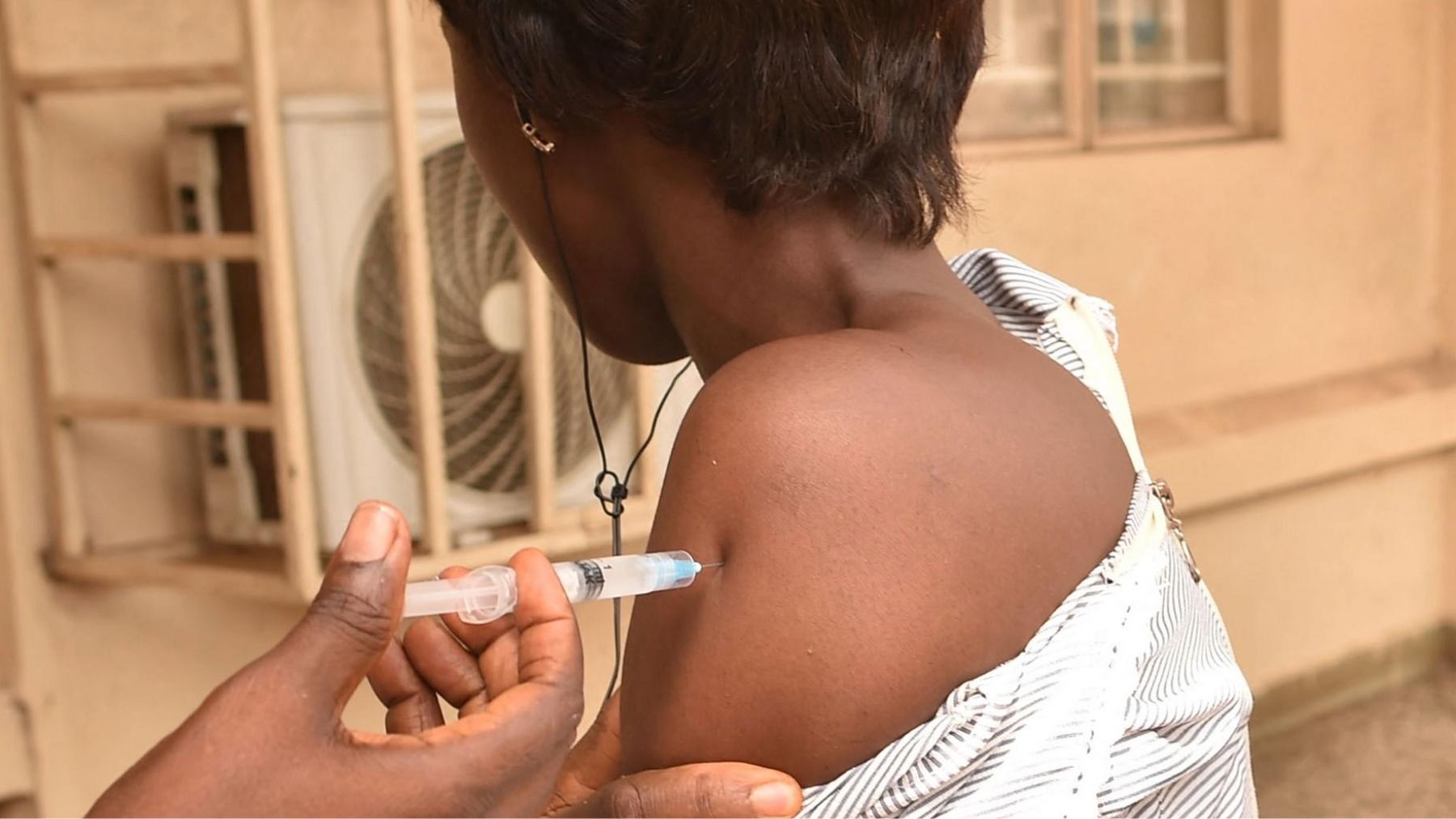
By 21 August 2026, the Democratic Republic of the Congo (DR Congo) has moved from merely a response plan to an active vaccine roll‑out, allocating 20,000 doses of the Ervebo vaccine for a clinical trial against the Bundibugyo Ebola strain currently spread across the country, while a further 50,000 doses will protect frontline health workers.
Ervebo, initially licensed for the Zaïre Ebola virus, is now being tested to see if it can curb infections from Bundibugyo—an especially rare strain that has caused the most deadly DR Congo outbreak in history.
The World Health Organization (WHO) warns that the epidemic is growing exponentially, now covering a geographic area larger than France, with 2,500 deaths declared since the outbreak began three months ago. Half of those fatalities occurred in the last 20 days alone.
Compounding the urgency is the presence of the M23 rebel group in eastern provinces. They have imposed a one‑month suspension on shared taxis and passenger boats between government‑held and rebel‑held areas, citing new Ebola cases within their territories. The restrictions illustrate how civil strife can both hinder and shape disease control efforts.
According to Save the Children, at least 180 Congolese children have lost both parents or caregivers due to the outbreak. The misdiagnosis of early infections as typhoid or malaria, along with resistance to health‑worker interventions and burial customs, has further hampered containment.
The WHO and Africa Centres for Disease Control and Prevention view the vaccine allocation as a critical reinforcement of the response, hoping that the trial will provide international evidence for future outbreaks and help reduce fatalities.
For more on this developing story, follow BBCAfrica.com and stay tuned for updates on the situation in DR Congo.