In brief
European Union foreign ministers have halted the purchase, import, and transfer of gold from Sudan to prevent armed groups from profiteering off the country’s rich gold fields. Sudan's gold trade, largely smuggled to Dubai via neighbouring nations, funds weapons and logistics for both the army and the RSF, escalating a humanitarian crisis that displaced over 14 million people. The new sanctions also block mercury and cyanide exports used in gold mining, though humanitarian chemicals are exempt. While the ban aims to choke the financial arteries of the war, experts warn that tightening enforcement in transit hubs is essential to stop illicit flows. The move reflects the EU’s broader crackdown on individuals and entities sustaining the conflict, amidst escalating global pressure on Sudan’s belligerents.
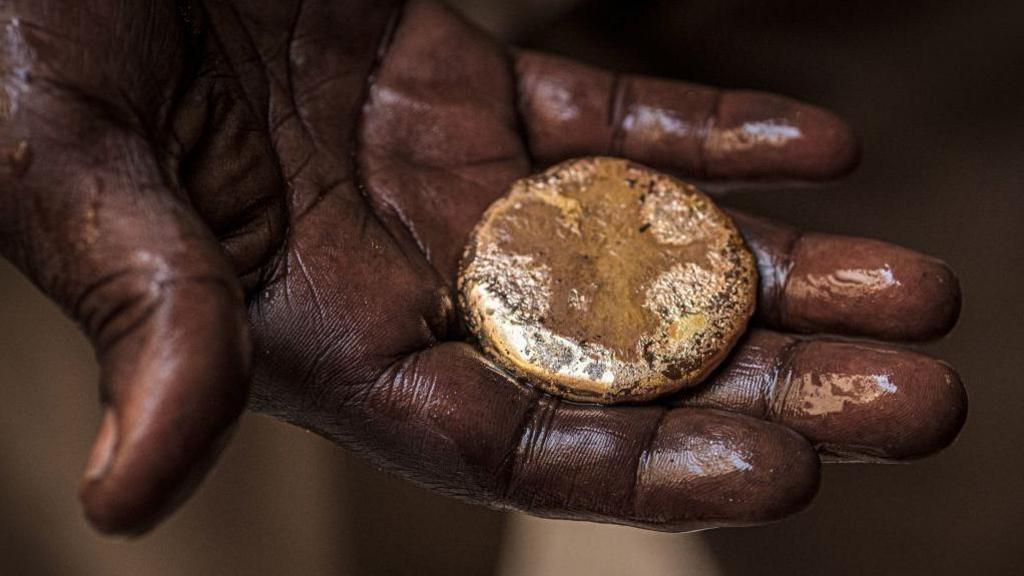
The European Union has halted the purchase, import and transfer of Sudanese gold, citing the metal’s role in funding the civil war that erupted in April 2023. By banning the trade, the EU aims to starve the armed factions of the riches that sustain their operations.
Gold’s Role in the Sudanese Conflict
Sudan is one of Africa’s largest gold producers. Analysts estimate that as much as 70 % of the country’s gold is smuggled each year, raising up to €400 million for the Regular Army and the paramilitary Rapid Support Forces (RSF). These funds are used to purchase weapons, vehicles and foreign mercenaries that fuel the brutal fighting.
EU’s Sanctions Package
EU foreign ministers approved a comprehensive embargo that also bans export of mercury and cyanide used in artisanal mining. Companies and individuals inside the EU cannot buy, import or transport gold that originates in Sudan. The ban does not apply to humanitarian‑grade chemicals meant for public‑health purposes.
Transit Routes and Enforcement Challenges
Gold is smuggled through Egypt, Chad, Libya and other neighbours before reaching Dubai, a key refining hub. While the sanctions hit the supply chain, experts warn that without tighter controls in transit countries, illicit gold may continue to move. The embargo, therefore, is part of a broader sanctions regime targeting individuals and entities tied to the violence.
Humanitarian Impact
The war has displaced over 14 million people and left an estimated 28 million facing acute hunger. Aid agencies have urged partners to intensify pressure on those funding the conflict. The gold embargo is an attempt to reduce the resources available to those perpetuating the violence and to increase pressure on the war’s backers.
Read more on the BBC Africa coverage of Sudan’s crisis
For additional context, visit BBCAfrica.com.