In brief
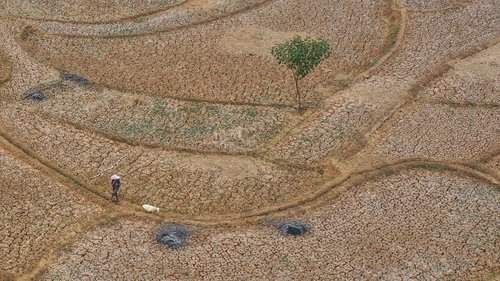
India's decision to halt its involvement in the Indus Waters Treaty, which has governed water distribution between the two nations since 1960, follows a tragic attack in Kashmir. As tensions rise, experts warn that this move could have dire consequences for Pakistan's economy and agriculture, which heavily relies on these water resources.
India's recent announcement to suspend its participation in the Indus Waters Treaty has stirred significant concern. This crucial water-sharing agreement, established in 1960, outlines how the waters of six main rivers will be divided between India and Pakistan. The decision comes in the wake of a militant attack in Kashmir, where 26 civilians lost their lives, prompting India's government to point towards "cross-border linkages" without directly blaming Pakistan.Historically, India has threatened to pull out of the treaty during times of heightened tensions, but this time the implications could be severe for Pakistan. Agriculture, which supports one-fourth of Pakistan’s economy, could face debilitating impacts if India restricts water flow.In response to India's announcement, the Pakistani government stressed such a blockade would be seen as an act of war. The disparity between the two nations leaves India with less to jeopardize, although international criticism could emerge regarding their adherence to international law.As this geopolitical situation unfolds, the fate of the Indus Waters Treaty remains uncertain, with potential ramifications affecting millions reliant on its waters for sustenance and economic stability.