In brief
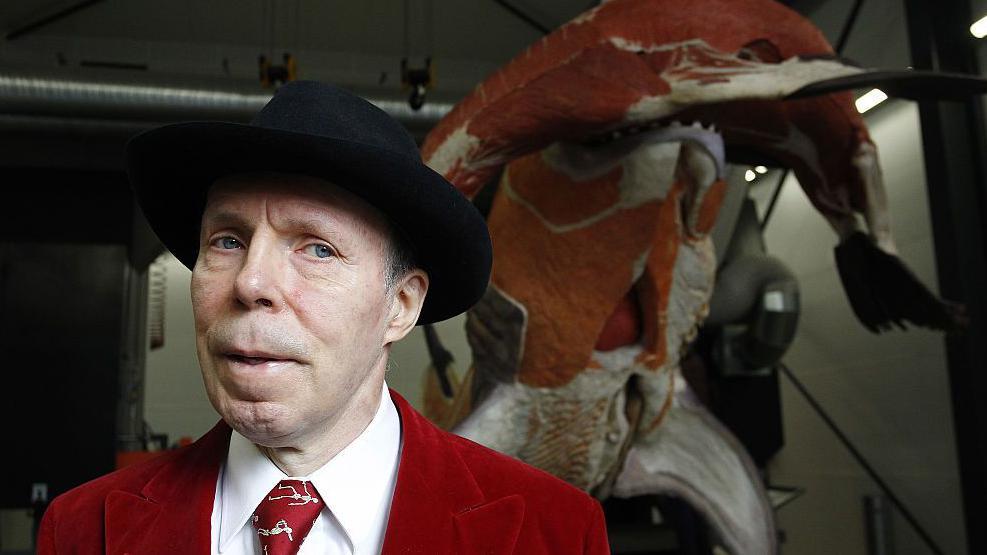
Gunther von Hagens, known as Doctor Death and creator of the World’s first plastination displays, has died at the age of 81. After suffering a brain haemorrhage, the family stated they will honour his wish to have his body plastinated. His controversial exhibitions have attracted more than 58 million visitors worldwide but have sparked religious and ethical debates.
Gunther von Hagens, the controversial German scientist who pioneered the plastination process and brought dissected human bodies into the public eye through his “Body Worlds” exhibitions, has died at 81.
Plastination, invented by von Hagens in the 1970s, replaces fluids and fatty tissue in corpses with rubber and polymers to preserve them for anatomical study and display. The technique has become a staple in universities and research institutes, but it was von Hagens’ Body Worlds tours that brought the displays to a global audience.
According to a family statement, von Hagens asked that his own body be plastinated after his death, a wish the family will respect and carry out. He died following a brain haemorrhage after being admitted to a clinic in Heidelberg; he had suffered from Parkinson’s disease for nearly two decades.
Body Worlds exhibitions have attracted more than 58 million visitors worldwide, but the displays have repeatedly faced criticism from religious groups and others who object to the public exhibition of human remains. Critics label the shows as voyeurism and accuse von Hagens of profiting from death, even as colleagues praise him as a pioneer who made anatomy accessible to the public.
Born in Nazi‑occupied Poland in the last months of World War II, von Hagens grew up in communist East Germany before fleeing to the West in 1970. He discovered plastination a few years later, and the first public displays of his work appeared in the late 1990s. In 2002 he performed the first public autopsy in London in 170 years, a controversial event that sparked legal warnings but ultimately faced no charges.