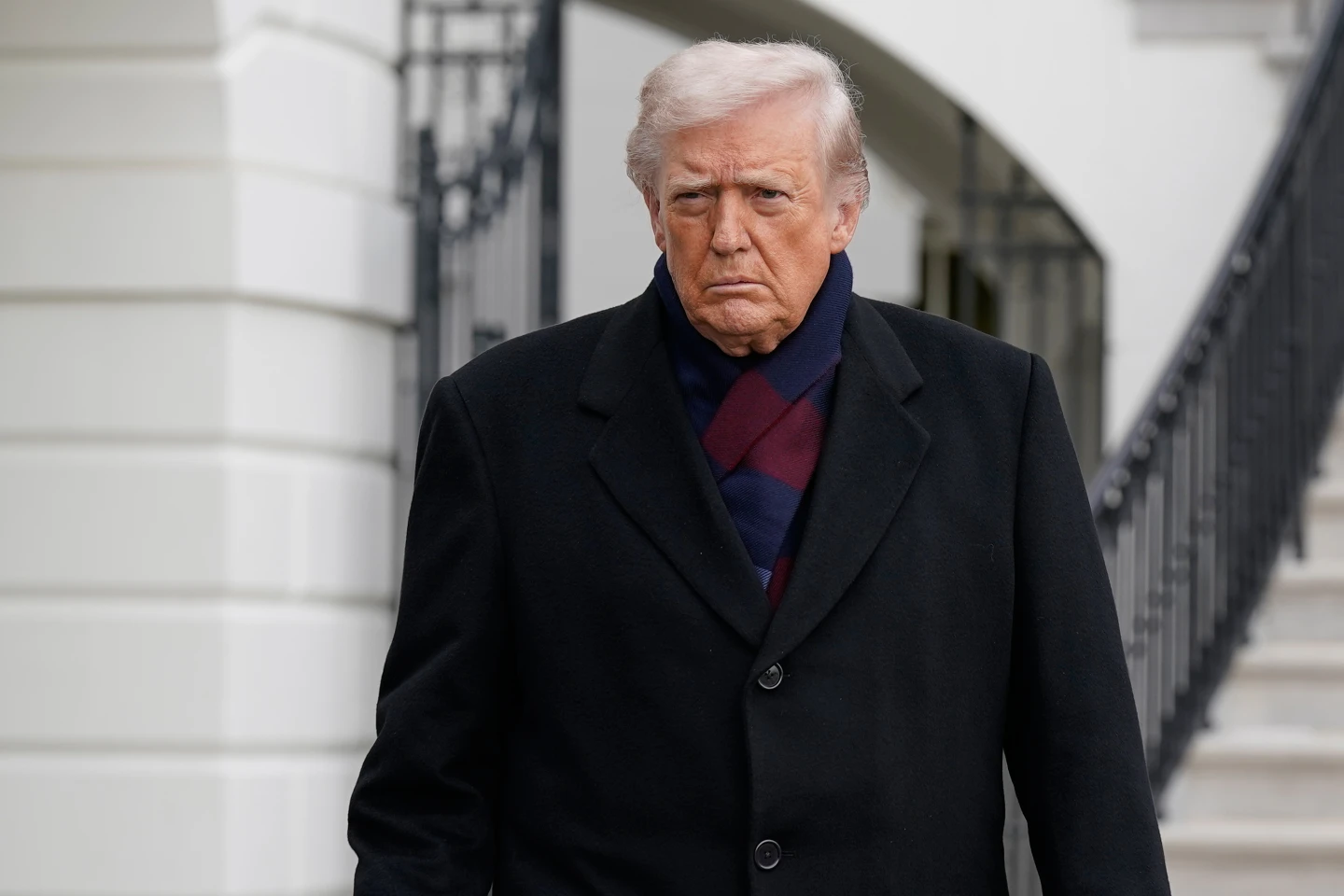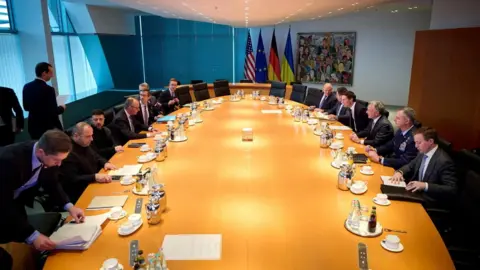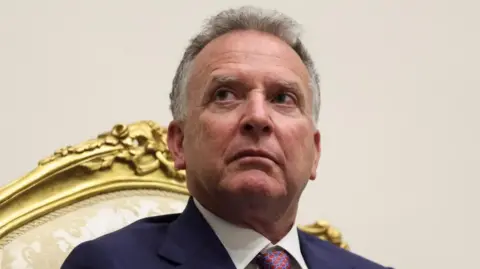
US President Donald Trump's overseas envoy, Steve Witkoff, is embarking on a diplomatic mission to Germany this weekend, where he will meet Ukrainian President Volodymyr Zelensky and various European leaders to forge progress towards ending the ongoing war in Ukraine. The upcoming talks will focus on a revised version of the peace agreement, with hopes to finalize a deal by Christmas. Witkoff, who has been actively engaging in mediating discussions between Ukraine and Russia, is expected to face significant challenges as recent rounds of negotiations have yielded limited results.
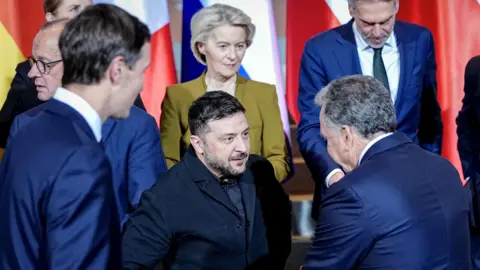
Sources reveal that influential European leaders, including UK Prime Minister Sir Keir Starmer, French President Emmanuel Macron, and German Chancellor Friedrich Merz, are slated to join the Berlin discussions. This summit follows Ukraine's submission of a reworked 20-point peace plan to the US, generating a surge of diplomatic activity aimed at resolving key issues, particularly concerning territorial disputes.
The meetings will likely grapple with contentious topics such as control over Eastern Ukrainian territories, where Kyiv remains staunchly opposed to ceding land under illegal occupation, while Russia continues to assert claims over the Donbas region.
Zelensky has expressed reservations about the US's latest proposals, particularly concerning the suggested transition of certain areas into a demilitarized zone, questioning the feasibility of peace and the potential for Russian advances.
As diplomatic efforts unfold, European allies are evaluating security guarantees and financial support for Ukraine, with an urgent goal to address its significant financial needs. Recent agreements to freeze Russian assets in Europe are seen as potential resources to aid Ukraine amidst the conflicting landscape, while discussions about expedited EU membership for Ukraine are also on the table. Ultimately, the success of this diplomatic push will determine the future trajectory of Ukraine amid its ongoing crisis.
Sources reveal that influential European leaders, including UK Prime Minister Sir Keir Starmer, French President Emmanuel Macron, and German Chancellor Friedrich Merz, are slated to join the Berlin discussions. This summit follows Ukraine's submission of a reworked 20-point peace plan to the US, generating a surge of diplomatic activity aimed at resolving key issues, particularly concerning territorial disputes.
The meetings will likely grapple with contentious topics such as control over Eastern Ukrainian territories, where Kyiv remains staunchly opposed to ceding land under illegal occupation, while Russia continues to assert claims over the Donbas region.
Zelensky has expressed reservations about the US's latest proposals, particularly concerning the suggested transition of certain areas into a demilitarized zone, questioning the feasibility of peace and the potential for Russian advances.
As diplomatic efforts unfold, European allies are evaluating security guarantees and financial support for Ukraine, with an urgent goal to address its significant financial needs. Recent agreements to freeze Russian assets in Europe are seen as potential resources to aid Ukraine amidst the conflicting landscape, while discussions about expedited EU membership for Ukraine are also on the table. Ultimately, the success of this diplomatic push will determine the future trajectory of Ukraine amid its ongoing crisis.