In brief
Ethiopian prisoners held in Saudi Arabia’s Khamis Mushait jail are calling the BBC from prison phones in a desperate bid for help. Their stories reveal a lack of legal representation, forced signature of Arabic agreements, and overcrowded cells that raise health concerns. Three Ethiopians were executed in April and nine more in June, prompting international pressure and diplomatic engagement. Human‑rights groups highlight systematic shortcomings in due process and call for urgent intervention.
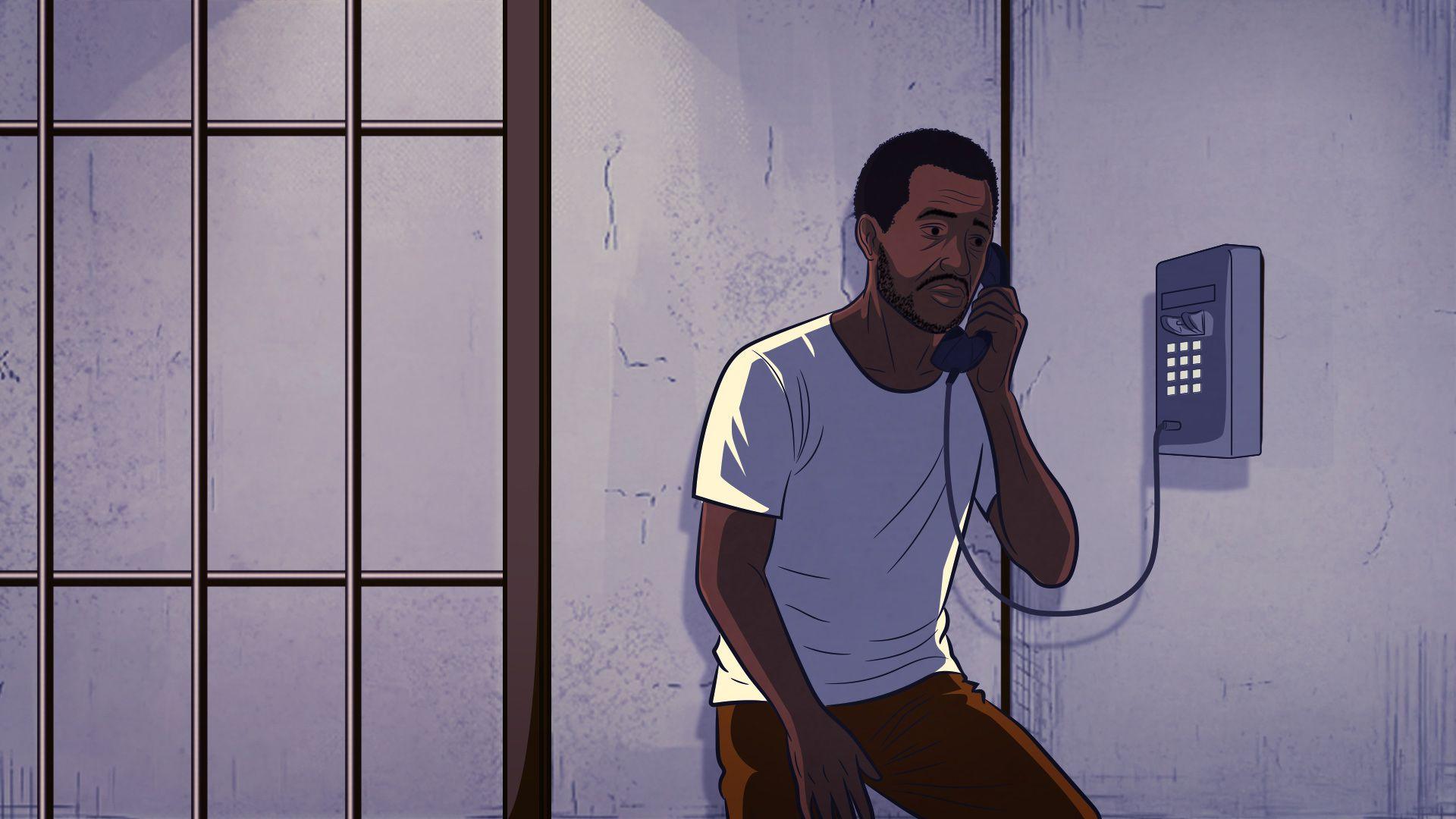
Desperation rings out of prison walls as Ethiopian inmates on death row in Saudi Arabia reach for BBC help.
The voice of young Habtom, who has spent over three years in a jail in Khamis Mushait, was the hardest to hear. “We have no choice but to cry. We are waiting for our turn,” he said, his anger at his home country’s inaction clear.
The prisoners, many of whom fled the war and poverty of Tigray and travelled through Djibouti and Yemen, were caught smuggling hashish or khat. Saudi law allows judges to sentence a death penalty for drug smuggling, but rights groups say due process is often ignored.
Seven prisoners the BBC spoke to are held among a possible two hundred detainees on death row. They describe overcrowded cells, insufficient food, guards who come only with a mask to bring meals, and no chance to appeal because of lack of legal representation. Some were forced to sign Arabic documents claiming they accepted the death sentence without understanding them.
The final execution of the year saw 17 Ethiopians executed in the first seven months, with three in April and nine in June. Human‑rights organisations such as Amnesty International, Reprieve and Human Rights Watch call for the halt of mass trials and sentences.
Ethiopia’s foreign ministry and the African Union have urged Saudi Arabia to protect their citizens, yet executions continue. The story ends with the prisoners' plea: “We are living in deep fear and cannot even eat the food we are given.”
Photos by BBC Africa.