In brief
Northern Queensland faces a severe flooding crisis, resulting in the evacuation of thousands, with significant casualties and infrastructure damage. Prime Minister Anthony Albanese and Premier David Crisafulli highlight the community's resilience amid ongoing dangers from rising water levels and infrastructural collapse.
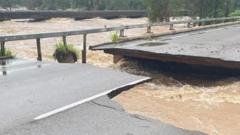
Australian floodwaters in Northern Queensland have reached alarming levels, prompting a significant emergency response from local authorities. Communities such as Townsville, Ingham, and Cardwell are grappling with severe disruptions as relentless rains have caused the partial collapse of a crucial highway, stranding residents and complicating rescue efforts. Tragically, a woman lost her life due to the disaster, emphasizing the gravity of the situation. Meteorologists report unprecedented rainfall accumulation, with some areas receiving up to 1.3 meters (4.2 feet) within just three days. Prime Minister Anthony Albanese noted the inspiring spirit of Australians aiding one another during this crisis while acknowledging the persistent danger from floodwaters that will linger in the region for the days ahead. Queensland's Premier, David Crisafulli, extended his condolences to the victims and their families, urging those in the most affected areas, defined as the "black-zone," to avoid returning to their homes as flood risks remain high. Authorities warn that up to 2,000 homes could soon be overwhelmed as water continues to rise, with peak levels expected imminently. Local emergency responders are working diligently, having received over 480 distress calls on a single night and successfully conducting multiple swift water rescues. However, power outages have hindered communication, further complicating access to help for isolated residents. As communities brace for possible records in flooding—potentially the most severe in 60 years—authorities are on high alert. Residents have been cautioned to remain aware of their surroundings, as crocodiles could be shifting from their usual habitats due to the flooding. Climate experts warn that global warming is exacerbating such climatic conditions, leading to more frequent and intense weather events.